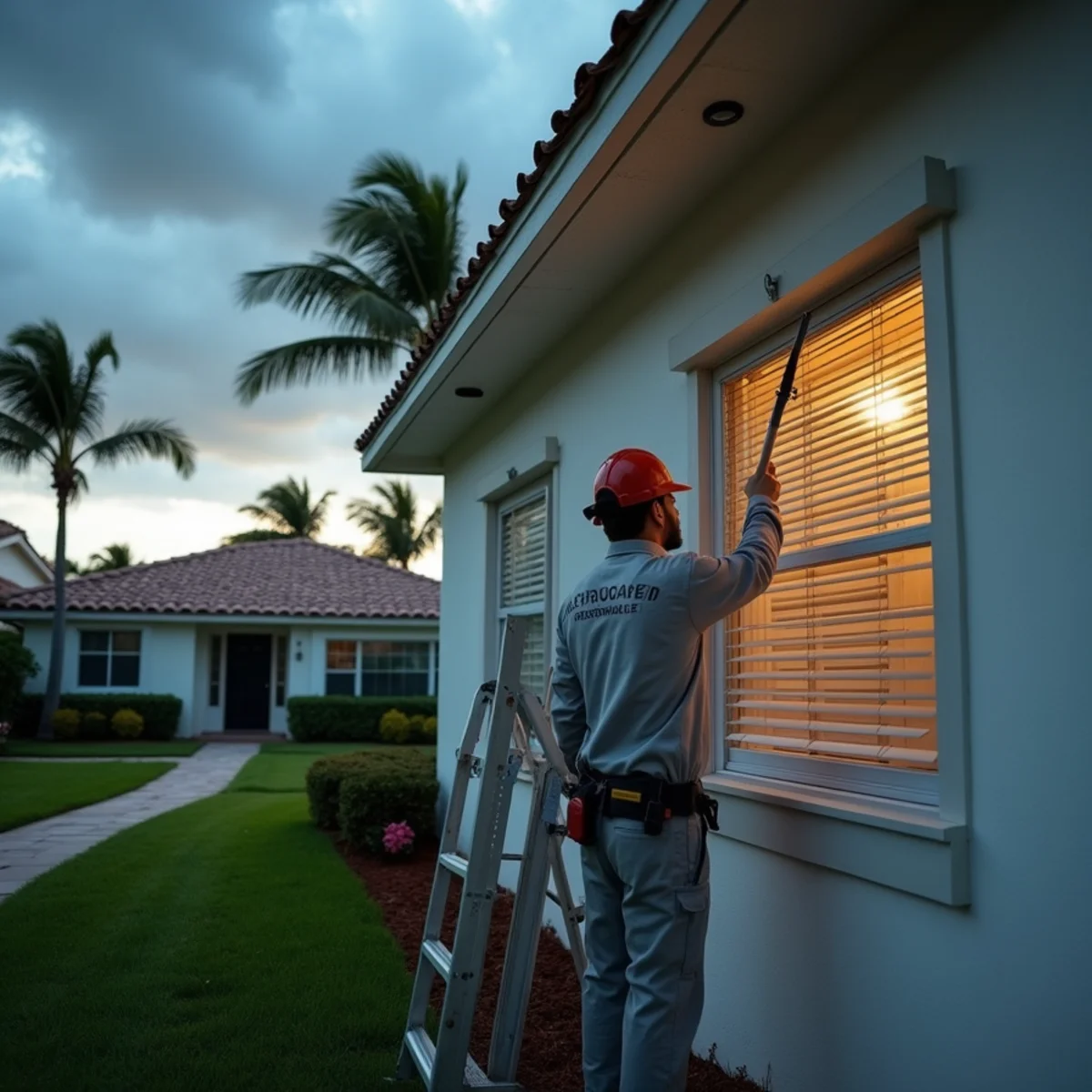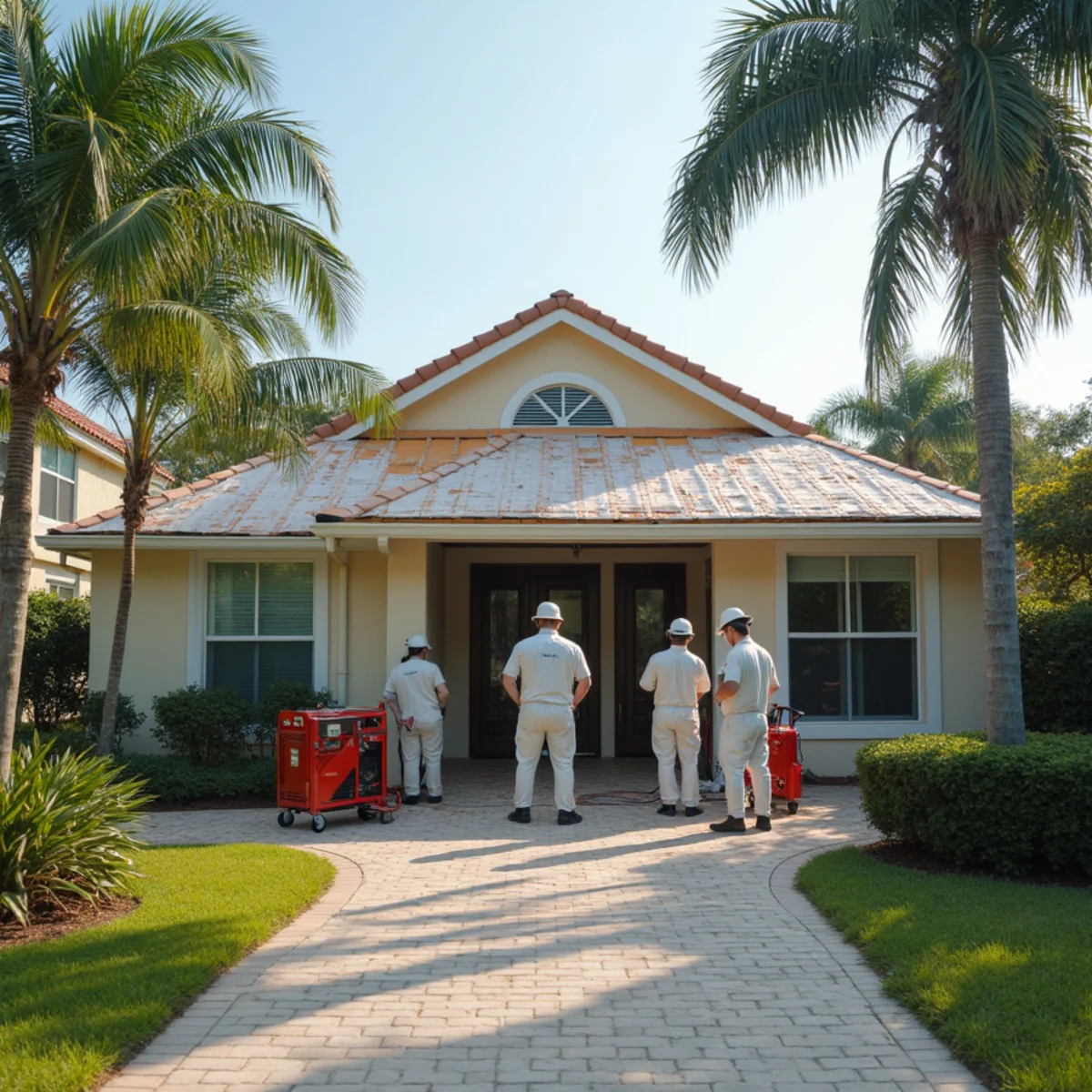
Miami's rainy season runs May through October and overlaps hurricane season, with a normal of nearly 45 inches of rain. A tropical system, or even a strong afternoon storm, can drive rain through a compromised roof, windows, and wall assemblies faster than a property can shed it.
Storm damage restoration combines emergency stabilization with water mitigation: protecting openings, assessing wind-driven rain intrusion, extracting water, drying the structure, and documenting the loss. Wind-driven rain and stormwater can also introduce contamination, so the water category is assessed before cleanup begins.
Ultra Mold Water Restoration mobilizes 24/7 across Miami-Dade after storms, prioritizing safety, moisture control, and clear documentation for your insurance claim.
Warning signs you shouldn’t ignore
- Ceiling stains or drips appearing during or after a storm
- Water intrusion around windows, doors, or roof penetrations
- Damp or discolored drywall on exterior-facing walls
- Missing shingles, tiles, or visible roof damage overhead
- A musty smell developing in the days after heavy rain
- Standing water in ground-floor rooms, garages, or entryways
How South Florida Storms Cause Water Damage
Hurricanes and tropical storms damage properties in layered ways. Wind can lift or puncture roofing and break the building envelope; wind-driven rain then pushes water through those openings, around windows, and into wall cavities. Storm surge and heavy rainfall add flooding at ground level.
The dangerous part is that much of this water hides. A ceiling stain or a damp baseboard after a storm often signals moisture that has already spread through insulation, drywall, and framing. Miami's block-and-slab construction then holds that moisture, giving mold an opening if drying is delayed.
Emergency Stabilization Comes First
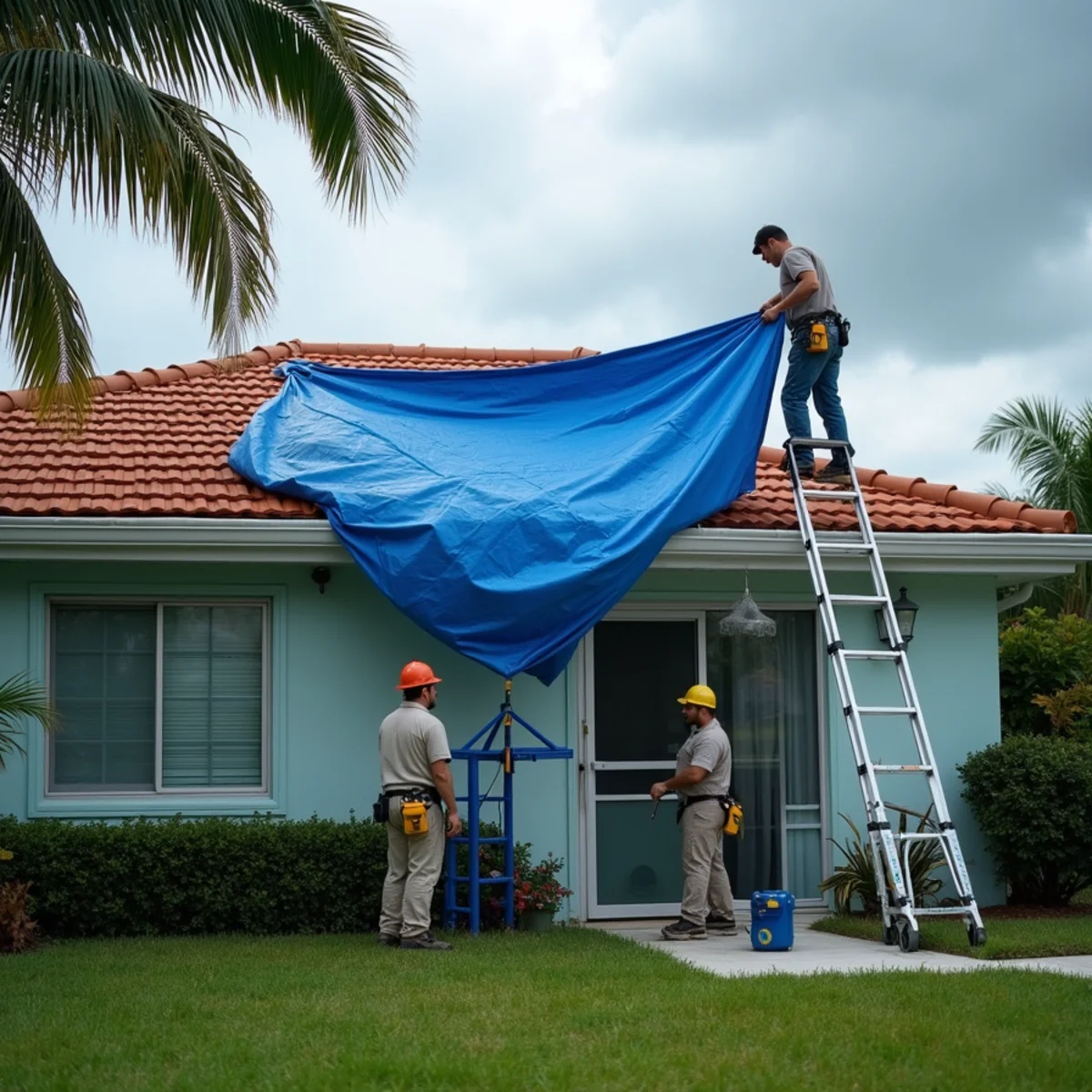
After a storm, the immediate goal is to stop more water from entering and make the property safe. That can include protecting openings and removing standing water before the full restoration scope begins.
- Assess electrical and structural hazards before entry
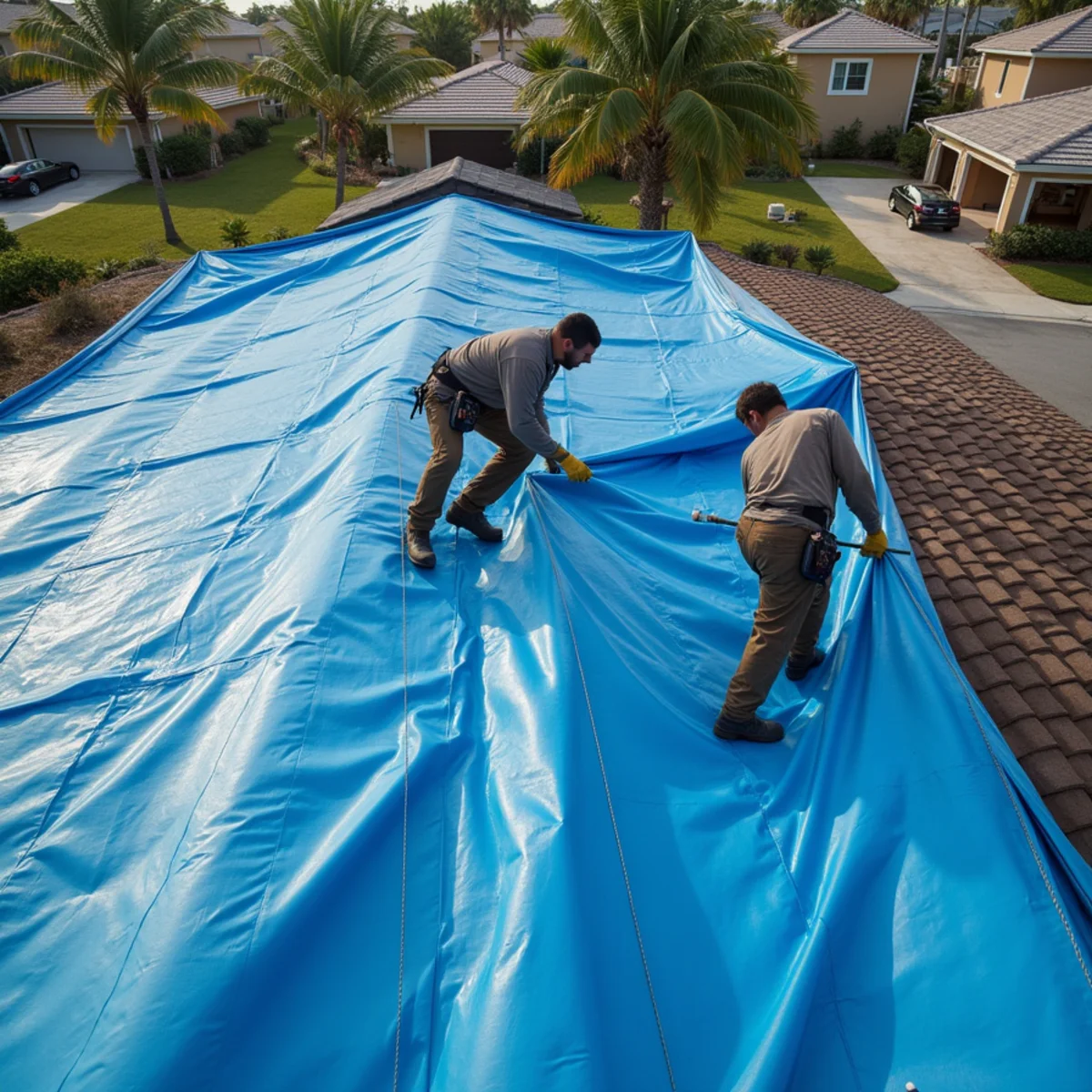
- Protect compromised roof areas, windows, and openings from further intrusion
- Extract standing water and reduce the moisture load quickly
- Identify wind-driven rain paths into walls and ceilings
- Document the storm damage room by room for the claim
Our Storm Damage Restoration Process
- 1
Safety assessment and stabilization
We check for electrical, structural, and contamination hazards, then take stabilization steps to stop ongoing water intrusion where it is safe to do so.
- 2
Water category and moisture assessment
We assess whether the intrusion is relatively clean rain or contaminated stormwater and map moisture through affected walls, ceilings, and floors.
- 3
Extraction and controlled removal
We extract standing water and remove unsalvageable saturated materials when authorized, especially where wind-driven rain has soaked insulation and drywall.
- 4
Structural drying and dehumidification
Air movers and dehumidifiers dry the structure while we monitor readings, working against Miami's high ambient humidity.
- 5
Documentation and repair coordination
We document the loss for your insurer and coordinate roof, window, and rebuild scopes separately from the emergency mitigation.
Storm Damage and Insurance in Florida
Storm losses often involve more than one coverage. Windstorm, roof, sudden water intrusion, and flood can be treated differently depending on the policy, cause, exclusions, and facts of the loss. Wind-driven rain in particular can receive different treatment than a plumbing failure.
We document the source and affected areas thoroughly and communicate factually with your carrier, but we never describe damage as covered until the carrier confirms it. Notify your insurer promptly and request the claim number and adjuster contact.
Ready Before, During, and After the Season
As a local, family-owned team, we know South Florida's storm calendar and its building stock. We respond 24/7 during active weather and encourage roof, drain, plumbing, and humidity checks before the May-through-October season so a storm does an easier property less harm.
Why Choose Ultra Mold for Storm Damage
After a storm, response time and documentation decide how much you save and how your claim goes. We mobilize 24/7, stabilize the property to stop further intrusion, and keep a factual, photographed record of wind-driven rain paths and moisture so windstorm, roof, and flood questions can be sorted out correctly later. And because we are local, we are not a storm-chasing crew that disappears once the news trucks leave; we are here for the follow-up drying and any dispute that surfaces weeks later.
- IICRC-certified crews mobilizing 24/7 during and after storms
- Emergency stabilization to limit further water intrusion
- Moisture mapping through walls, ceilings, and insulation
- Licensed and insured, working the ANSI/IICRC S500 standard
- Detailed documentation to support a storm-related insurance claim
Storm Response Across South Florida
When a system moves through, we cover the coastal and inland communities that take the hardest hits: Miami Beach and Aventura on the water, Homestead in south Miami-Dade, and Broward areas like Pompano Beach, Weston, and Fort Lauderdale.
Coastal towers face wind-driven rain and balcony intrusion, while low inland neighborhoods deal with drainage backups and rising groundwater. We plan the response around how each area actually floods, and we stage crews before and during active weather so we can reach you as soon as it is safe to work.
During named storms, demand across South Florida spikes and every restoration crew is stretched, so calling early and documenting the damage yourself puts you ahead of the queue. We stage equipment and personnel before landfall when a system is forecast, then work systematically once conditions allow, prioritizing active intrusion and standing water. Because we separate the emergency mitigation from the roof, window, and rebuild scopes, your interior drying can begin even while the exterior repairs are still being scheduled, which shortens the total timeline and limits secondary damage.
What affects the cost
Every loss is different. These are the factors that shape your estimate — we confirm the scope during your free inspection, and the figures below are planning ranges, not a quote.
- Extent of the building-envelope breach and intrusion path
- Affected square footage across roof, walls, and floors
- Whether water is relatively clean rain or contaminated stormwater
- Emergency stabilization and protection of openings
- Structural drying time in high ambient humidity
- Coordination with roofing, window, and rebuild scopes
- Storm-related water mitigation follows the same planning ranges as other losses, roughly $1,500 to $5,800 per event; the inspection sets the true scope
Need help right now?
Certified crews, 24/7, across South Florida.
Frequently asked questions
Make sure people are safe and away from electrical and structural hazards, then document the damage and call for emergency mitigation. Do not assume stormwater is clean because the water line is low; wind-driven rain and surge can carry contamination.
It depends on the coverage and the cause. Windstorm, roof, sudden water intrusion, and flood can be treated differently, and homeowners policies do not automatically cover flood. We document the loss; the carrier decides coverage.
As soon as the property is safe. The EPA recommends drying wet areas within 24 to 48 hours, and Miami humidity makes prompt professional drying important because ambient conditions slow natural evaporation.
Yes. We can take stabilization steps to limit further intrusion and begin water mitigation, then coordinate the roof repair as a separate scope. Interior drying and roofing are handled as distinct parts of the project.
No. Most policies expect you to take reasonable steps to prevent further damage, and waiting lets water spread and mold start. We document thoroughly with photos and readings before and during mitigation, so beginning emergency work protects both your property and your claim. The carrier still decides coverage.