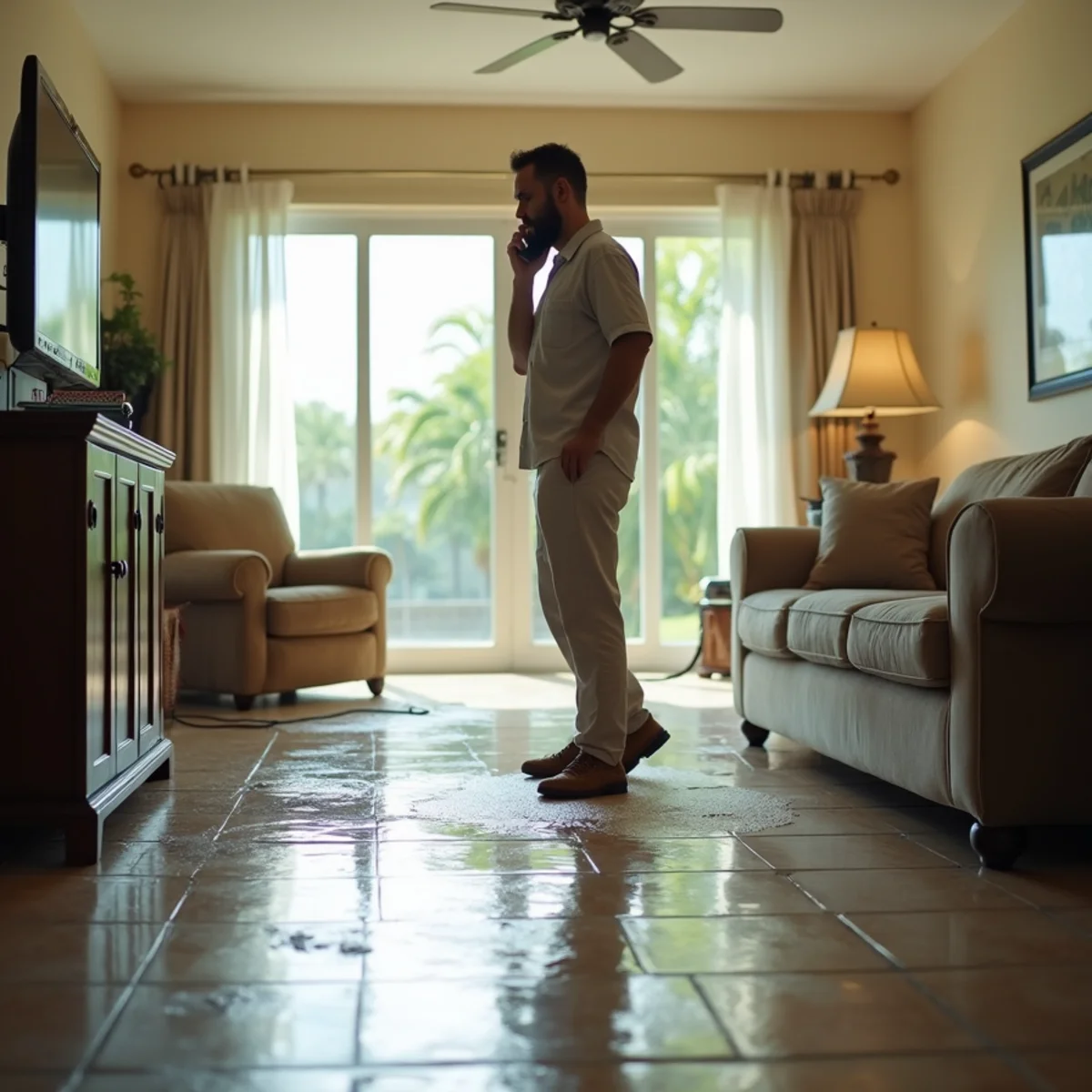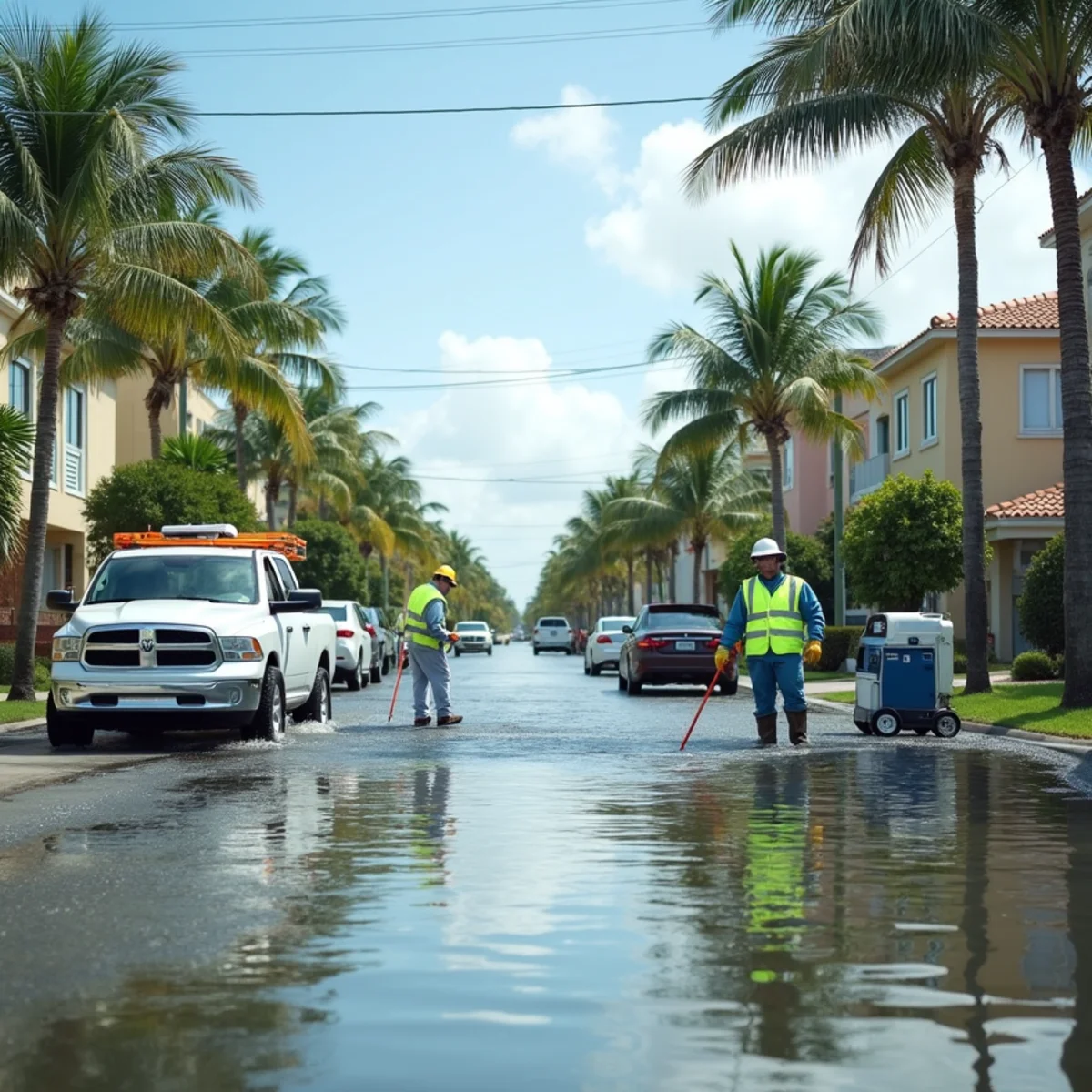
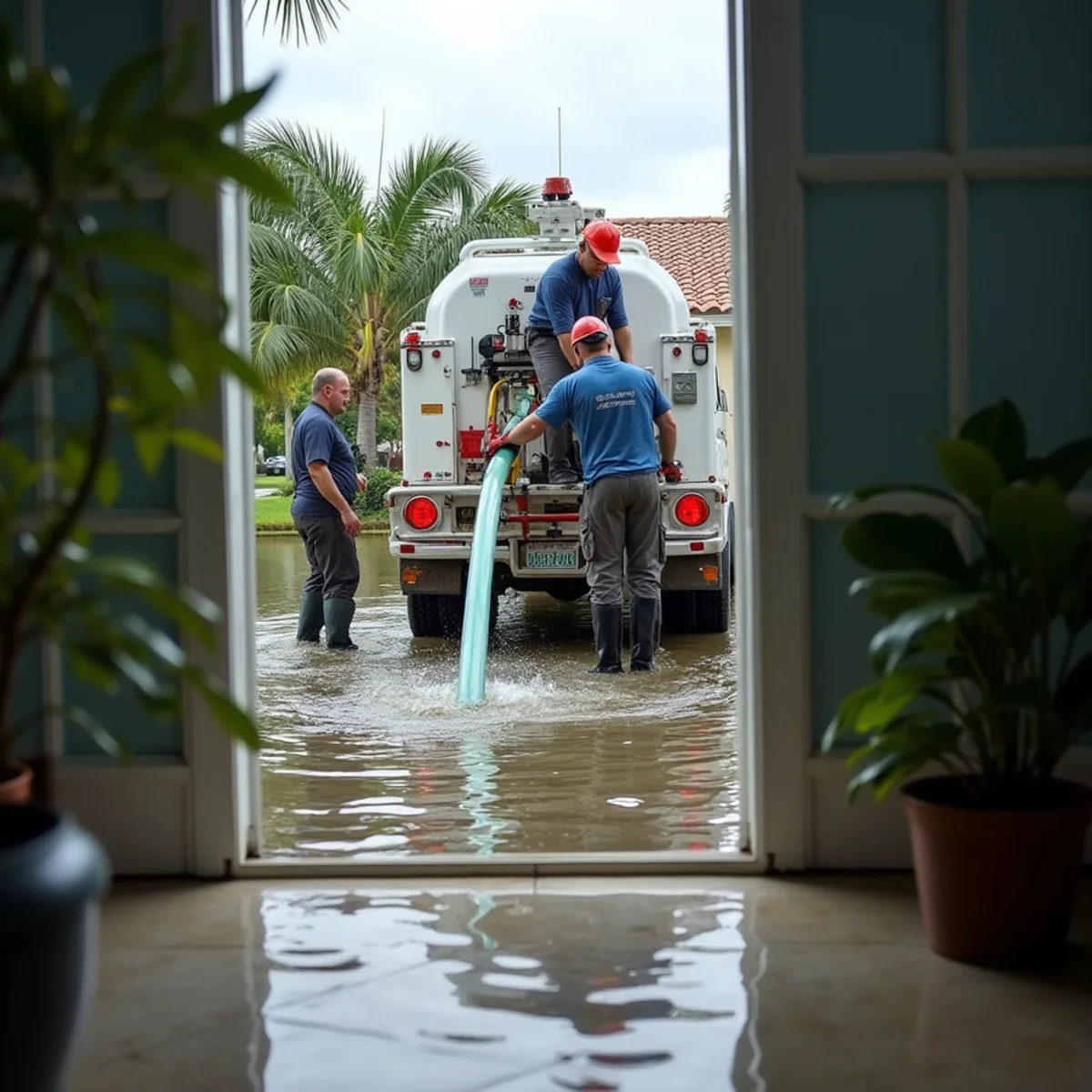
When floodwater is actively entering a home, the response is different from a scheduled cleanup. The priority is safety and speed: getting people out of harm's way, then getting the contaminated water out of the structure before it soaks deeper into materials.
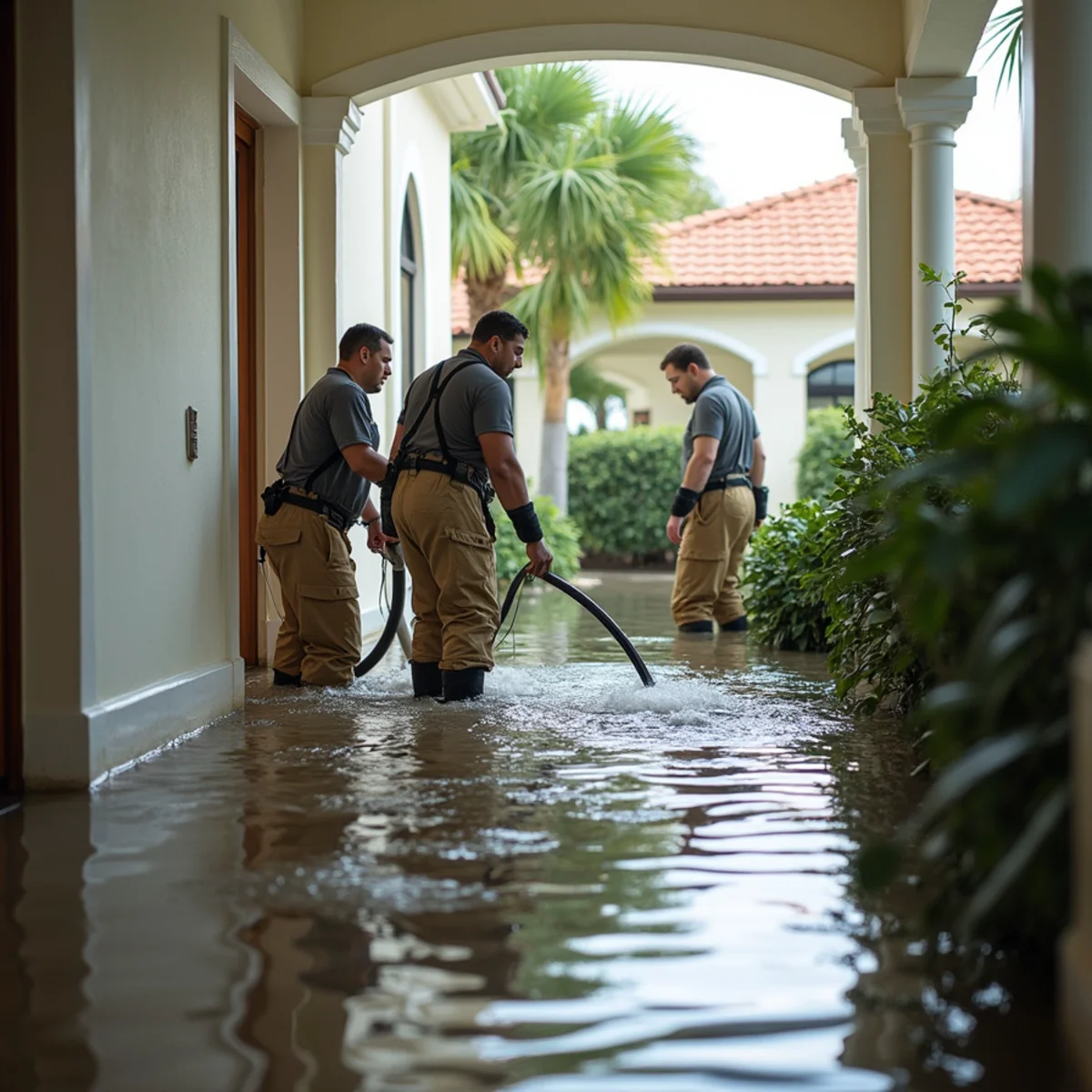
Emergency flood extraction begins with evacuation and electrical safety when floodwater is active, then moves quickly to extraction, sanitation, contents handling, and structural drying. Stormwater and surge are generally treated as Category 3, so protective procedures apply from the first minute.
Ultra Mold Water Restoration mobilizes 24/7 across Miami-Dade for active flooding, whether it comes from tropical rain, storm surge, or king tides in low-lying neighborhoods.
Warning signs you shouldn’t ignore
- Water actively entering the home from outside or below
- Rising water in ground-floor rooms, garages, or entryways
- Floodwater near outlets, appliances, or the electrical panel
- A visible debris or mud line forming on walls
- A sewage or swampy odor with the incoming water
- Standing water that is not receding after heavy rain or tides
When Flooding Is an Emergency
Active flooding is an emergency whenever water is rising, electricity is in play, or contamination is present. Emergency flood cleanup should begin with evacuation and electrical safety when floodwater is active, and only then with extraction and mitigation once the area is safe to work.
Miami's low elevation and shallow groundwater mean water can rise quickly in ground-floor units, garages, and coastal areas. King tides and heavy rainy-season downpours can flood streets and slabs with little warning, so a fast, safe response protects both people and property.
Safety Before Extraction
Do not judge floodwater by its appearance. Even shallow, clear-looking floodwater can be contaminated and can hide electrical hazards.
- Move people and pets away from floodwater and follow evacuation guidance
- Avoid electrical hazards and do not enter water near outlets or panels
- Do not walk through floodwater into clean rooms
- Do not use household vacuums on floodwater
- Photograph the water line and affected areas from a safe position
- Call for emergency flood extraction as soon as it is safe
Our Emergency Flood Extraction Process
- 1
Safety confirmation and category assessment
We confirm the area is safe to work, check for electrical and structural hazards, and assess the water category so protective procedures are in place.
- 2
Rapid water extraction
We remove standing floodwater quickly with high-capacity equipment suited to contaminated conditions, reducing the moisture load before it spreads deeper.
- 3
Muck-out and controlled removal
Debris and unsalvageable porous materials are removed and bagged for proper disposal.
- 4
Sanitation and antimicrobial treatment
Surfaces are cleaned and treated according to the contamination level, addressing what floodwater leaves behind.
- 5
Structural drying and monitoring
We dry the structure, including slab edges and block walls, and monitor readings until they support a dry-condition decision.
Fast Response, Documented for Your Claim
Speed limits how far contaminated water travels and how much structure must be removed. It also supports your claim, because prompt, documented mitigation shows the loss was addressed reasonably. We record the water line, affected rooms, readings, and equipment from the start.
Homeowners insurance does not automatically cover flood, and flood coverage is typically separate. We document the loss thoroughly; the carrier decides coverage and payment.
Sources of Sudden Flooding in Miami-Dade
Flooding in South Florida arrives from several directions, sometimes at once. Recognizing the source helps us assess contamination and plan the safest, fastest extraction.
- Tropical storms and hurricanes overwhelming drainage
- Storm surge pushing seawater into coastal and low-lying areas
- King tides flooding streets and ground floors on clear days
- Rainy-season downpours from May through October
- Rising groundwater in Miami-Dade’s low, flat terrain
Why Choose Ultra Mold for Emergency Flood Extraction
When water is actively rising, you need a crew that can move fast and work safely in contaminated conditions. We combine high-capacity extraction with Category 3 protective procedures, so the water comes out quickly and the sanitation and drying that floodwater demands start without a separate delay. We stage that equipment ahead of forecast flooding so the response begins the moment the area is safe rather than after a long mobilization.
- Live 24/7 dispatch for active, rising floodwater
- High-capacity extraction plus Category 3 protective procedures
- IICRC-certified crews following the ANSI/IICRC S500 standard
- Sanitation and antimicrobial treatment, not extraction alone
- Documented water line, readings, and photos for your claim
Emergency Flood Extraction Across Low-Lying Miami-Dade and Broward
We respond where flooding hits first and hardest: Cutler Bay and Homestead in south Miami-Dade, Miami Gardens to the north, and Broward communities like Pompano Beach and Hollywood, along with the wider Broward County area.
These are the low, coastal, and canal-fed neighborhoods where king tides, surge, and rainy-season downpours push water into ground-floor units and garages with little warning. Because we know how quickly water rises here, we stage crews ahead of forecast flooding and reach active losses as soon as it is safe to work.
When you call during active flooding, we confirm coverage for your address, walk you through keeping people and pets away from the water and any electrical hazards, and dispatch the closest available crew with high-capacity extraction. We also coordinate with condo and building management when a garage, lobby, or shared ground-floor space is involved, since those are often the first areas to take on water in a tower. Moving fast here is not only about saving materials; contaminated floodwater becomes more hazardous and harder to remediate the longer it sits, so every hour counts once the area is safe to enter.
What affects the cost
Every loss is different. These are the factors that shape your estimate — we confirm the scope during your free inspection, and the figures below are planning ranges, not a quote.
- Volume of floodwater and how quickly it can be extracted
- Contamination level and required protective procedures
- Amount of debris and unsalvageable material to remove
- Sanitation and antimicrobial treatment needs
- Structural drying time for slabs and block walls
- Access, staging, and ground-floor or garage conditions
- Full flood cleanup planning ranges often fall near $2,000 to $6,000 for a 1,500 square-foot home; severe or contaminated losses run higher
Need help right now?
Certified crews, 24/7, across South Florida.
Frequently asked questions
Get people and pets to safety and away from electrical hazards, follow any evacuation guidance, and avoid contact with the floodwater. Photograph the situation from a safe position and call for emergency flood extraction as soon as it is safe.
Yes. We provide 24/7 emergency flood extraction across Miami-Dade. When you call, we confirm coverage, guide you on the immediate safety step, and dispatch a crew.
Because stormwater, surge, and floodwater are generally Category 3 and can carry sewage, chemicals, and organic contamination. Extraction removes the water, but sanitation and antimicrobial treatment address the contamination it leaves behind.
Safety comes first. If floodwater is still actively rising or there are electrical hazards, we wait until the area is safe to enter, then extract aggressively. In many cases we can begin as the water recedes, removing it before it soaks deeper into slabs, block walls, and cabinets.
Emergency flood extraction is the immediate, first-response phase: getting people safe and pulling contaminated water out fast. Flood cleanup is the fuller process that follows, including muck-out, sanitation, structural drying, and verification. On an active loss they run back to back.