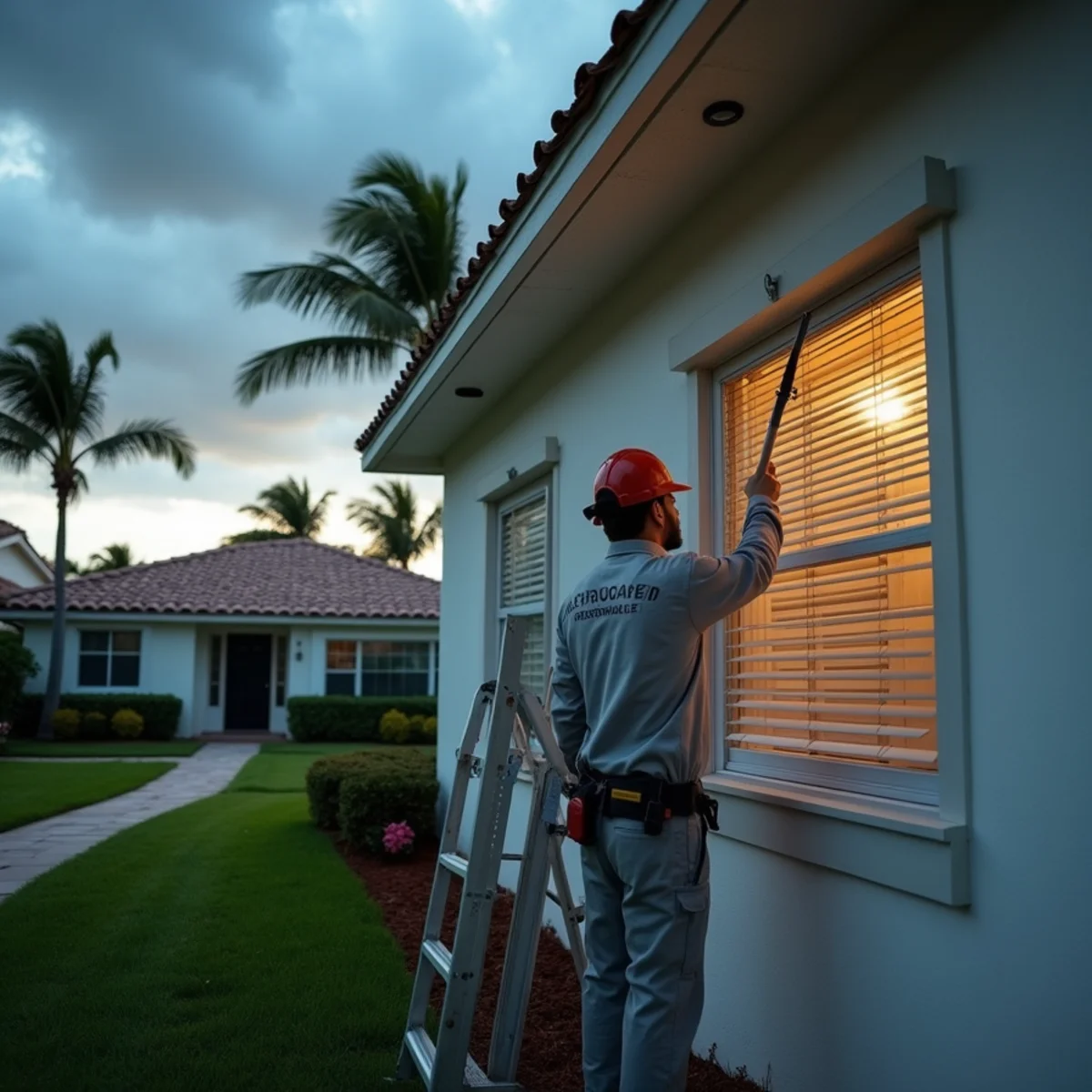
Prep Now, Because the Rain Is the Real Threat
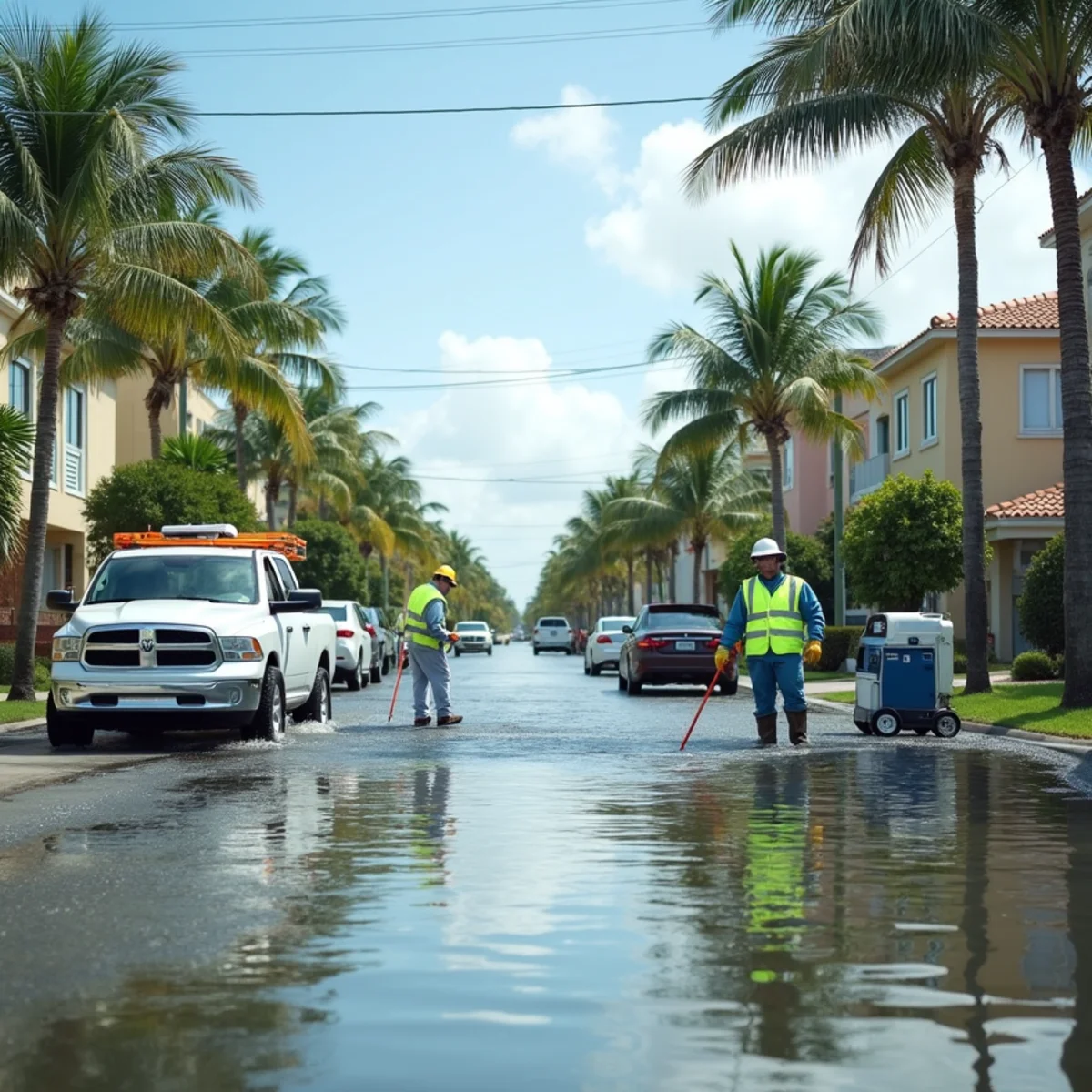
Hurricane season runs from June through November, and while high winds get the headlines, water causes the majority of storm damage to South Florida homes. Wind-driven rain finds every gap in a roof and window, storm surge and flooding push water inside, and the aftermath, days of high humidity with power out, creates ideal conditions for mold. Preparing your home before a storm is on the map is far more effective than scrambling when a cone appears.
This guide focuses on the water side of hurricane prep, the part that determines whether your home stays dry and whether you are dealing with cleanup or catastrophe after the storm passes.
The best time to do this work is at the start of the season, not when a storm is three days out and every hardware store is stripped bare. Prices climb, supplies vanish, and contractors are booked solid once a system is in the forecast cone. Homeowners who prepare in June are calm and well-stocked in September, while those who wait find themselves competing for the last sheet of plywood in the county.
Seal the Envelope Against Water Intrusion
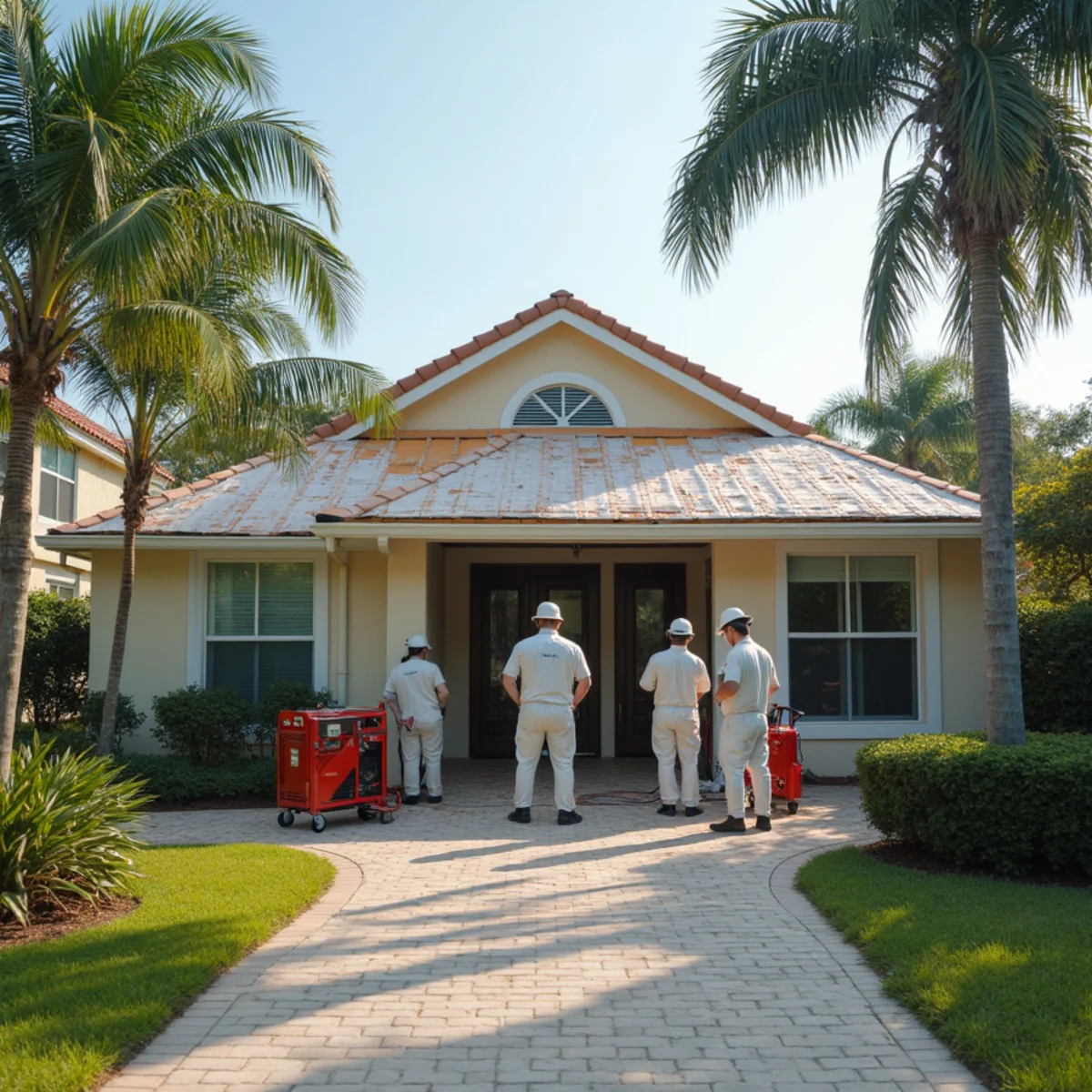
- Inspect and repair your roof, replacing loose or missing shingles and resealing flashing around vents and chimneys.
- Clear gutters and downspouts so rain drains away from the house instead of overflowing.
- Install and test storm shutters or impact windows, and check the seals and weatherstripping on all openings.
- Reseal gaps around windows, doors, and where utility lines enter the home.
- Check that your garage door is rated and reinforced, since a failure there can pressurize and damage the whole house.
Manage Water Around and Under the House
How water moves on your property matters as much as your roof. Grade soil so it slopes away from the foundation, extend downspouts, and clear any drainage swales or French drains before the season starts. If your home has a history of flooding, consider flood barriers or sandbag placement points, and know that standard homeowners insurance does not cover flood; that requires separate NFIP or private flood coverage, which is worth securing well before a storm since new policies often have a waiting period. Low-lying communities like Homestead and the agricultural areas around it are especially exposed to both rainfall flooding and surge.
Take a walk around your property with fresh eyes before the season and look for anything that could become a projectile or a dam. Loose patio furniture, planters, and yard debris can break windows in high wind, opening a path for wind-driven rain. Meanwhile, mulch piled against the foundation, a clogged yard drain, or an AC condensate line discharging next to the wall can channel water toward the house rather than away from it. These are small, cheap fixes that pay off the moment the first serious band of rain arrives.
Protect the Systems That Fail First
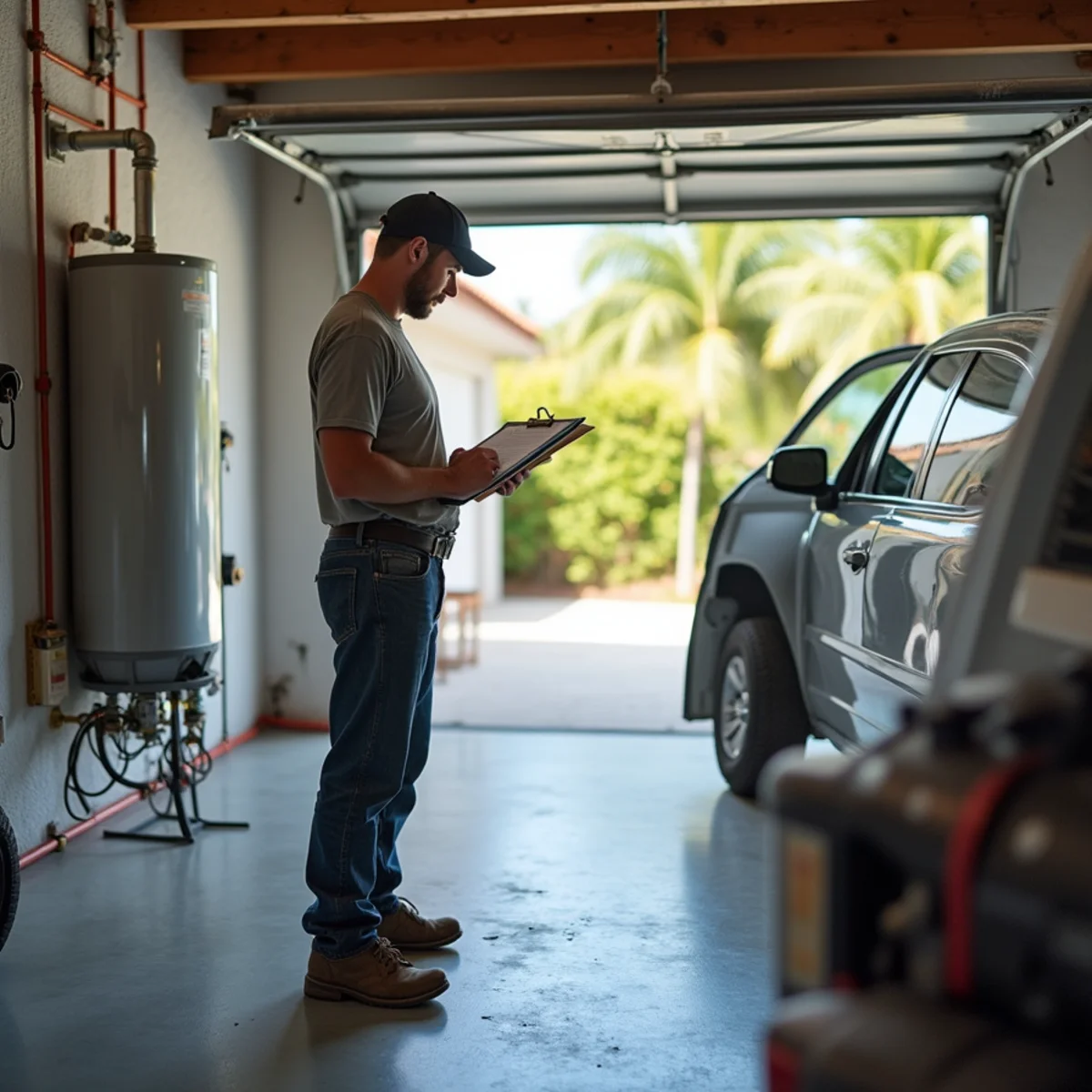
When a storm knocks out power for days, your defenses against humidity go with it, and mold can begin growing within 24 to 48 hours on anything that got wet. A generator keeps your AC and dehumidifier running, which is one of the most effective mold-prevention measures available after a storm. Elevate valuables and important documents, move them away from ground-floor exterior walls, and photograph your home's condition before the season for insurance purposes. Knowing where your water main shutoff is, and having a plan for the aftermath, matters too; our flood cleanup crews respond fastest for homeowners who acted quickly to limit intrusion.
Assemble the practical supplies ahead of time as well. Tarps, plastic sheeting, duct tape, a wet/dry vacuum, moisture-absorbing products, and a stock of towels let you contain intrusion in the crucial hours before a crew can reach you, which is often when demand is highest after a widespread storm. Keep them somewhere dry and accessible rather than buried in a garage you may not be able to reach once water is inside.
Have a Post-Storm Plan Ready
The hours after a storm are chaotic, and having a plan prevents costly mistakes. Know that you should not enter standing water near electrical hazards, that you should document all damage before cleanup, and that drying needs to start fast. Keep the number of a licensed restoration company saved before the season, because after a major storm, demand surges and the homeowners who call early get served first. Our storm damage restoration team tarps, extracts, and dries so damage stops spreading while repairs are arranged.
Preparation Is Cheaper Than Restoration
Every dollar and hour spent preparing before the season reduces the damage a storm can do and speeds your recovery afterward. A sealed roof, clear drainage, flood coverage, and a generator turn a potential disaster into a manageable event. And if water does get in despite your best efforts, a fast professional response keeps a wet home from becoming a moldy one.
Ultra Mold Water Restoration stands ready 24/7 throughout South Florida all season long. If a storm leaves water in your home, call (866) 688-0301 and we will respond quickly to dry it out before mold sets in.
Dealing with this right now?
Ultra Mold responds 24/7 across South Florida.
Frequently asked questions
Atlantic hurricane season runs from June 1 through November 30, overlapping our rainy season. Preparing your home before a storm is forecast is far more effective than reacting when one is approaching.
No. Standard homeowners insurance excludes flood, which includes storm surge and rising water. You need separate NFIP or private flood coverage, and new policies often carry a waiting period, so secure it early.
After a storm, power outages disable your AC and dehumidifier, letting humidity climb and mold begin growing within 24 to 48 hours. A generator keeps those systems running, which is one of the best mold-prevention steps available.
Stay clear of standing water near electrical hazards, document the damage, and begin drying as soon as it is safe. Call a licensed restoration company early, since demand spikes after major storms.