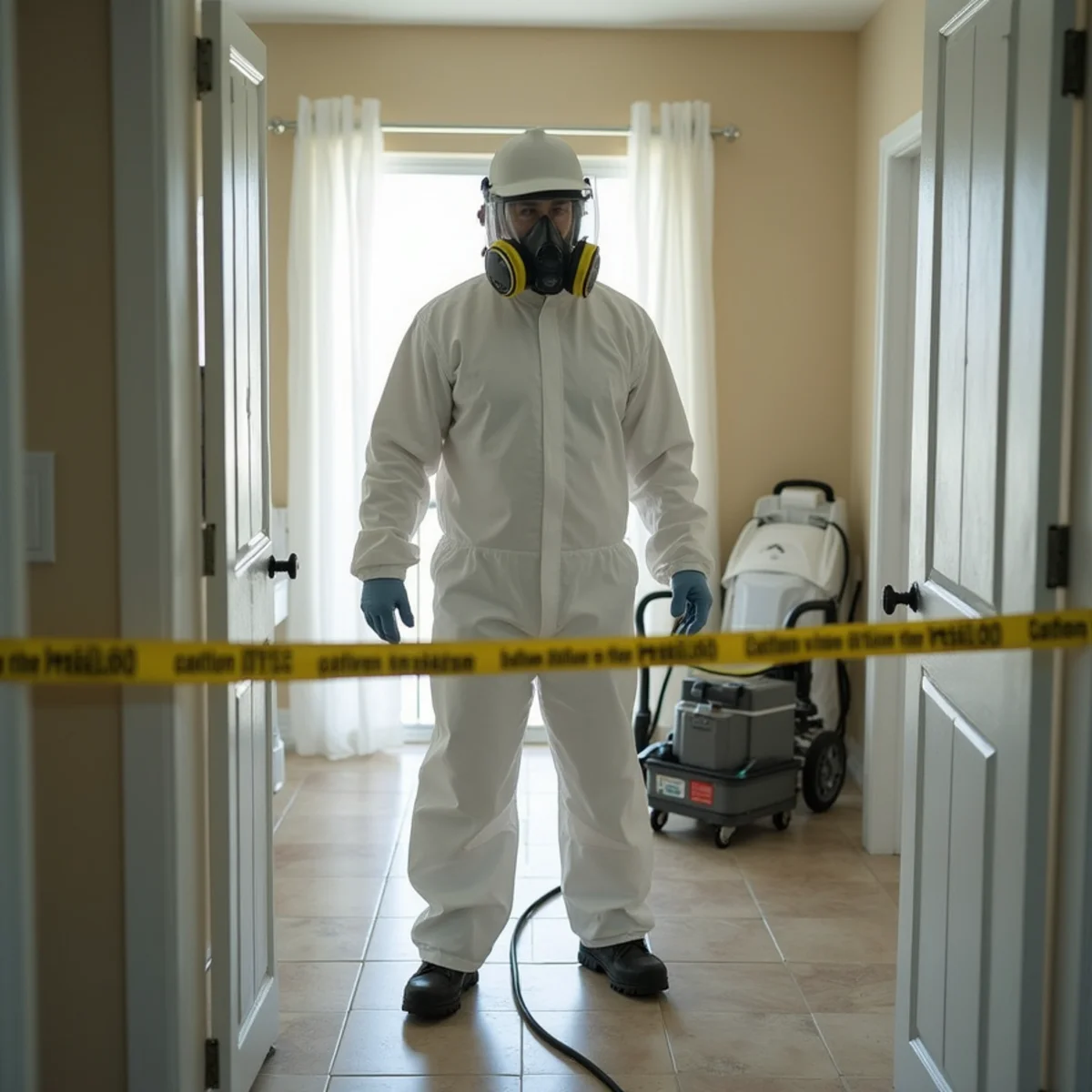
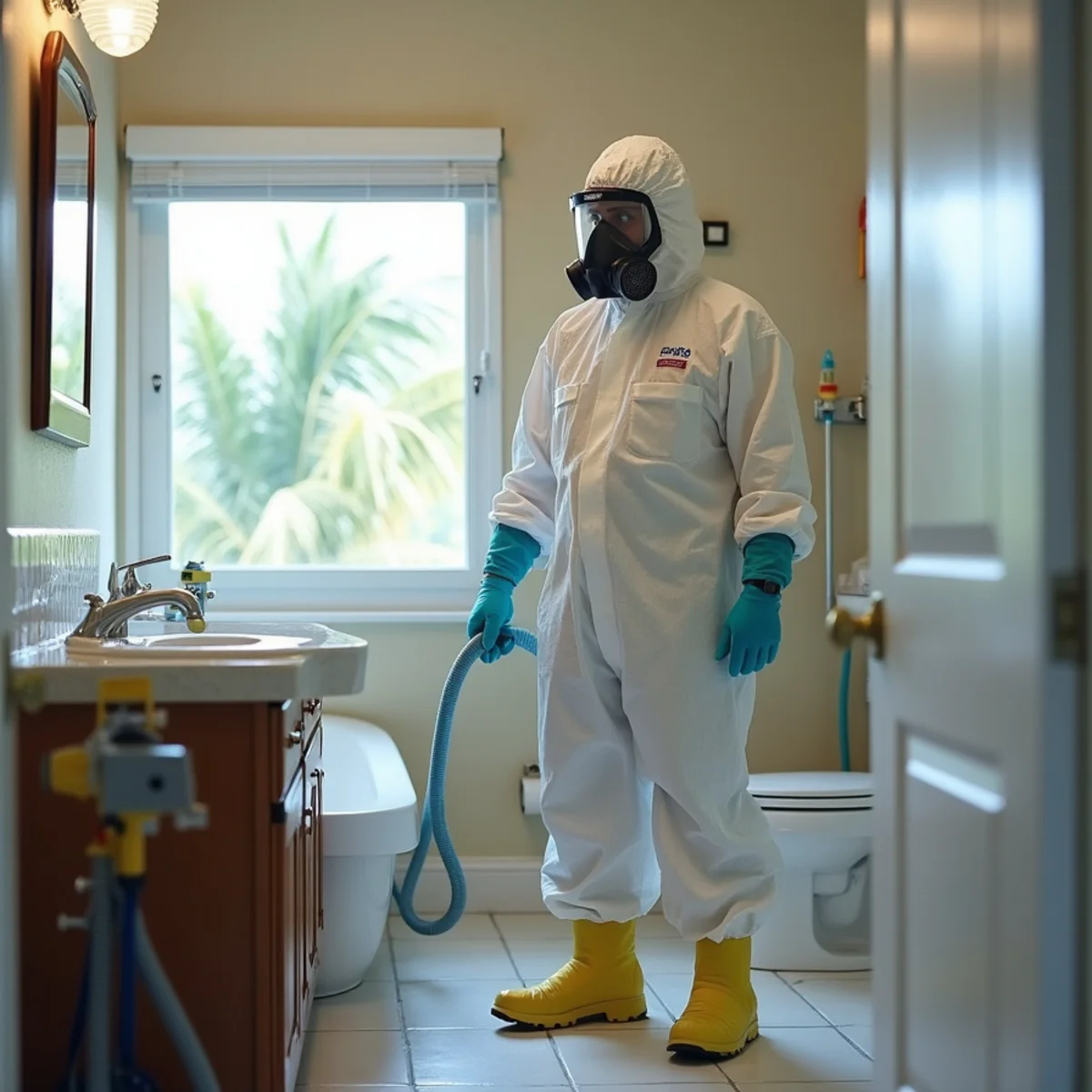
A sewage backup, toilet overflow, or drain-line failure introduces some of the most hazardous water a property can face. Sewage and heavily contaminated water are classified as Category 3, which requires protective equipment, controlled access, sanitation, and careful disposal decisions.
This is not a job for a household mop and bucket. Category 3 water can carry bacteria, viruses, and other pathogens, and it soaks into porous materials that usually cannot be saved. Keep people and pets away and request a contaminated-water assessment.
Ultra Mold Water Restoration is equipped and certified for sewage cleanup across Miami-Dade, handling extraction, sanitation, drying, and disposal so your home or business is safe and documented.
Warning signs you shouldn’t ignore
- Wastewater or sewage backing up from toilets, tubs, or floor drains
- A strong sewage odor indoors or near drains
- Gurgling drains or multiple fixtures backing up at once
- Dark, cloudy water with visible debris
- Staining and moisture around a floor drain or base of a toilet
- Slow drains throughout the property before a full backup
Why Sewage Is a Category 3 Biohazard
Category 3 water includes sewage, floodwater, and heavily contaminated water. It can contain pathogens and chemicals that pose a real health risk, which is why the response requires suitable protective equipment, controlled containment, and proper sanitation rather than ordinary cleaning.
The category can also worsen the longer waste sits and mixes with contents and building materials. Fast, correct action limits both the health exposure and the spread of contamination into clean areas of the property.
What to Do and What to Avoid
Until a trained crew arrives, the priority is keeping people away from the contamination and not spreading it further.
- Keep children, pets, and anyone not protected out of the affected area
- Do not handle contaminated materials without suitable protection
- Do not use household vacuums on sewage or contaminated water
- Do not walk through the area and track waste into clean rooms
- Shut off the water source if a valve is accessible without entering the hazard
- Photograph the affected area from a safe distance for your records
Our Sewage Cleanup Process
- 1
Containment and protective setup
We isolate the affected area, set up containment, and use appropriate protective equipment so contamination is not spread into clean parts of the property.
- 2
Waste and contaminated-water extraction
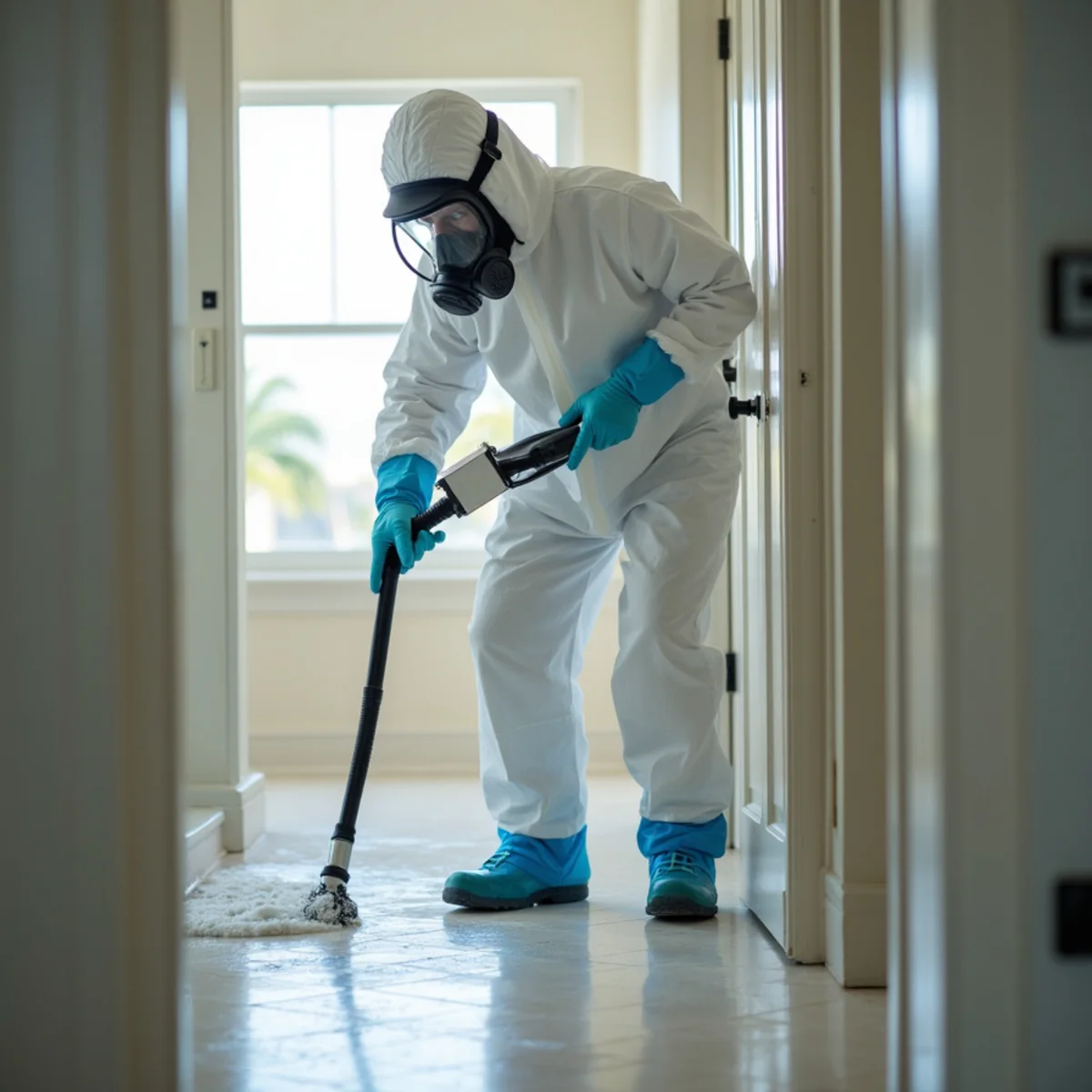
We remove sewage, solids, and contaminated water using equipment suited to Category 3 conditions.
- 3
Removal of unsalvageable materials
Porous materials soaked with contaminated water, such as drywall, carpet, and padding, are removed and bagged for proper disposal.
- 4
Cleaning, sanitation, and antimicrobial treatment
Affected surfaces are thoroughly cleaned and treated with antimicrobials appropriate to the contamination and materials.
- 5
Structural drying and verification
We dry the structure, monitor moisture readings, and confirm a dry, sanitized condition, then document the work and coordinate plumbing repair of the source.
Sanitation, Disposal, and Documentation
Sanitation and disposal procedures must match the water category and the affected materials. We separate the emergency mitigation from the plumbing repair that caused the backup, and we document scope, photos, readings, sanitation details, and disposal so you have organized records.
Sewer-backup losses often raise specific insurance questions, because coverage for backup can differ from other water losses. We document the loss carefully; your carrier decides whether the policy responds.
Common Causes of Miami Sewage Backups
Sewage backups are not random. Understanding the cause helps prevent the next one and clarifies who is responsible for the repair, especially in a condo or a shared line.
- Clogs from grease, wipes, or foreign objects in the drain line
- Tree-root intrusion into older sewer laterals
- Municipal main backups pushing wastewater back into the property
- Heavy rainy-season flow overwhelming the sewer system
- Failed or collapsed pipes in aging South Florida plumbing
Why Choose Ultra Mold for Sewage Cleanup
A sewage backup is a biohazard, and the response has to protect your health as much as your property. Our crews arrive with the containment, protective equipment, and sanitation procedures Category 3 water demands, and we separate the cleanup from the plumbing repair so each is done right rather than rushed together. We also photograph and log the contamination before disposal, so your records show exactly what was removed and why.
- IICRC-certified technicians trained for Category 3 biohazard cleanup
- Full containment, protective equipment, and controlled disposal
- Antimicrobial treatment and sanitation matched to the contamination
- Licensed and insured, following ANSI/IICRC S500 procedures
- 24/7 response so waste is removed before it spreads or worsens
Sewage Cleanup Across Miami-Dade and Broward
We respond to sewage backups and drain-line failures throughout the region, from Hialeah and North Miami in Miami-Dade to Hollywood and Davie in Broward, and we cover Cutler Bay and the wider Broward County service area.
Aging sewer laterals, root intrusion, and rainy-season flow that overwhelms the system are common across South Florida's older neighborhoods. Knowing where these failures tend to happen helps us identify the source quickly and coordinate the plumbing repair so the same backup does not return the next time it rains hard or the main surcharges.
Response speed matters more with sewage than almost any other loss, because the contamination and the health risk both worsen the longer waste sits in contact with contents and building materials. When you call, we confirm coverage for your address, walk you through keeping people and pets away from the affected area, and dispatch a crew equipped to contain, extract, and sanitize. We handle the biohazard side and coordinate the plumbing repair separately, so the drain or lateral that failed is corrected rather than left to back up again.
What affects the cost
Every loss is different. These are the factors that shape your estimate — we confirm the scope during your free inspection, and the figures below are planning ranges, not a quote.
- Volume of sewage and the contaminated area affected
- Protective equipment, containment, and controlled access needs
- Amount of porous material to remove and dispose of
- Level of sanitation and antimicrobial treatment required
- Structural drying time after cleanup
- Coordination with plumbing repair of the source
- Sewage cleanup planning ranges often run near $1,500 to $4,500 depending on severity; the inspection sets the true figure
Need help right now?
Certified crews, 24/7, across South Florida.
Frequently asked questions
No. Keep people and pets away and call for a contaminated-water assessment. Sewage and heavily contaminated water are generally treated as Category 3 and require protective equipment, sanitation, and controlled disposal. Household vacuums and mops spread the hazard.
Usually the porous ones cannot. Drywall, carpet, padding, and similar materials soaked by Category 3 water are typically removed and disposed of. Non-porous surfaces can often be cleaned and sanitized. We explain the decision before removing anything.
It depends on your policy. Sewer-backup or water-backup coverage is often a specific endorsement, and coverage varies by carrier and the facts of the loss. We document everything, but the carrier decides coverage.
As quickly as possible. Contamination worsens the longer waste sits, and the EPA still recommends drying wet areas within 24 to 48 hours after the contamination is removed to reduce mold risk.
Odor lingers when contaminated material or moisture is left behind, so we remove unsalvageable porous materials, sanitize with appropriate antimicrobials, and dry the structure fully. If a smell survives that, it usually points to a remaining moisture source or affected ductwork, which we track down and address rather than mask.