Knowing the Process Takes the Fear Out of It
After a major storm, homeowners are often overwhelmed and unsure what happens next. Understanding the restoration process removes a lot of that anxiety and helps you make good decisions under pressure. Storm damage restoration is a structured sequence, not a chaotic scramble, and each step builds on the one before it. This walkthrough explains what a professional response looks like from the first call to the final repair, so you know what to expect and can tell whether a company is doing the job right.
The overarching principle is simple: stabilize first to stop the damage from spreading, then dry thoroughly, then rebuild. Rushing to repairs before the structure is dry is the most common mistake, and it leads straight to hidden mold.
Knowing the sequence also helps you evaluate the companies that show up after a storm. In the rush of the days following a major event, some operators promise to start rebuilding immediately, which sounds reassuring but skips the steps that protect your home long term. A crew that explains it will stabilize, document, and dry before touching any repairs is showing you it understands the work, and that is the kind of partner worth waiting a few extra days for.
Step 1: Emergency Contact and Stabilization
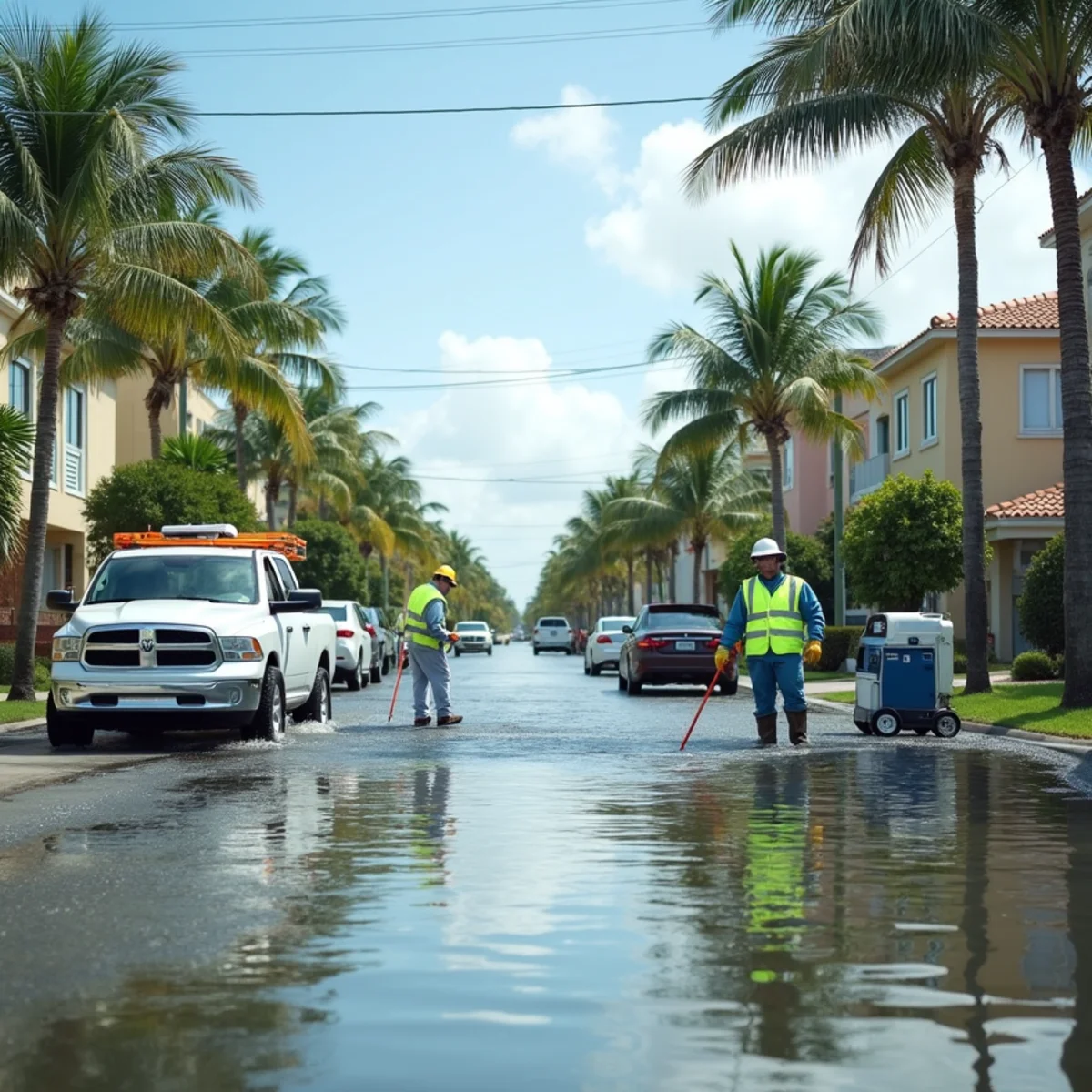
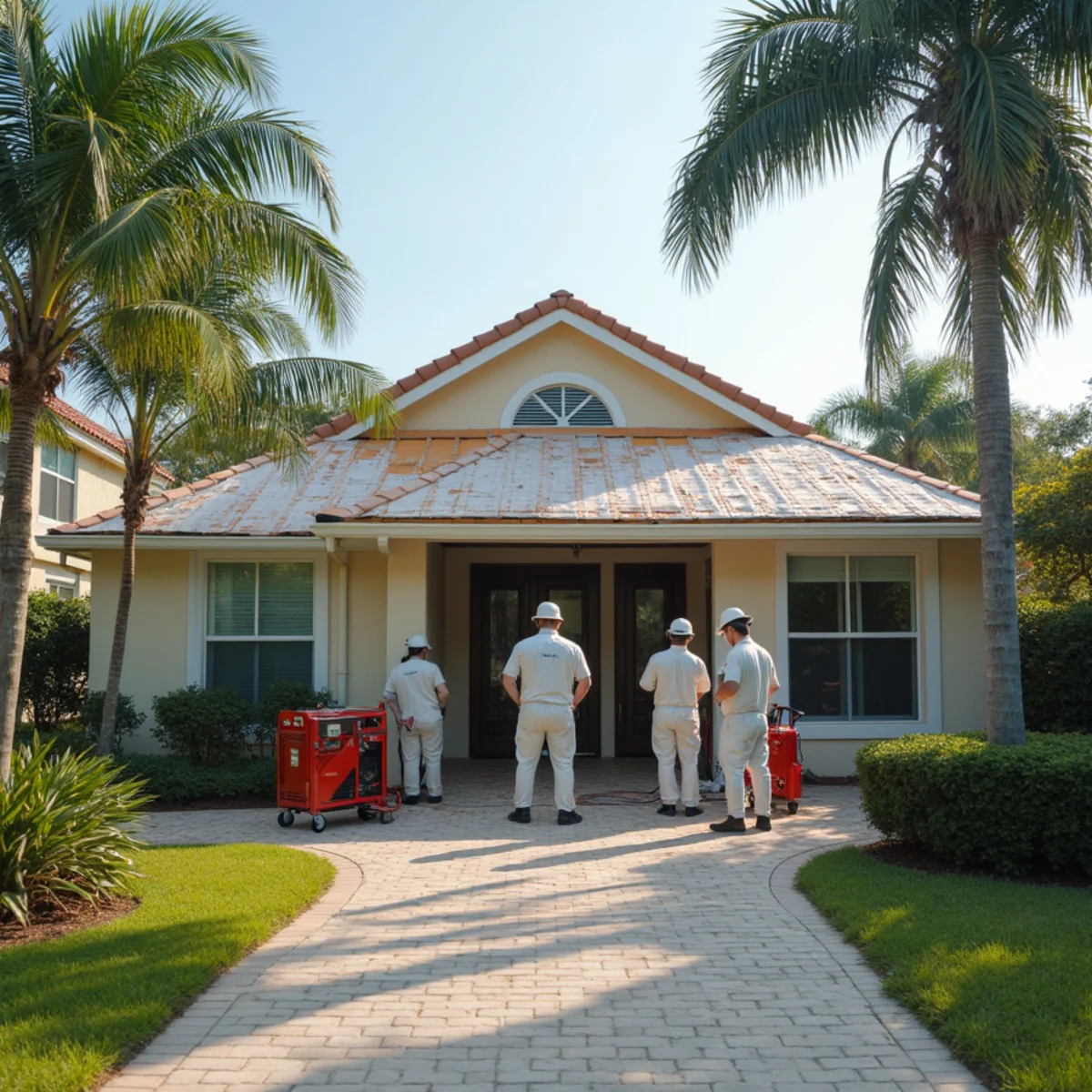
The process begins the moment you call, ideally right after the storm passes and it is safe to assess. The first priority is stabilization: tarping a damaged roof, boarding broken windows, and stopping ongoing water intrusion so the situation does not get worse while the full restoration is planned. Our storm damage restoration team treats this as an emergency because every hour of continued exposure adds damage. This is also when initial safety hazards, like downed lines or standing water near electrical systems, are identified and avoided.
Step 2: Inspection and Documentation
Once the home is stabilized, technicians conduct a thorough assessment using moisture meters and thermal imaging to map both visible and hidden damage. This is documented in detail with photos, readings, and a room-by-room scope, which serves two purposes: it guides the restoration plan and it supports your insurance claim. Because storm damage often involves the question of whether the loss is covered wind damage or excluded flooding, careful documentation of the source and path of water is critical. Homes in Cutler Bay and other low-lying areas frequently see both wind and water damage in the same event, making this documentation especially important.
Step 3: Water Removal and Structural Drying
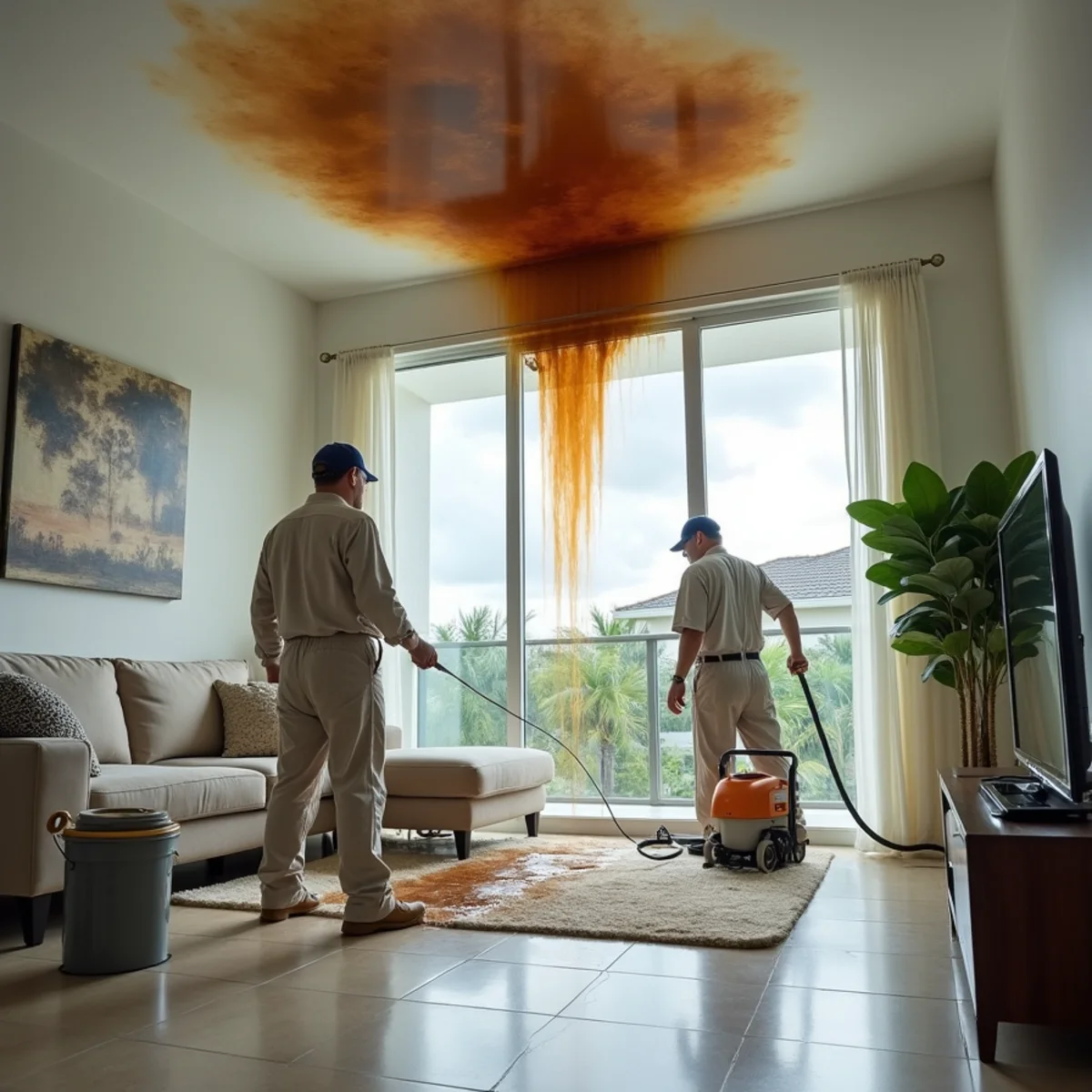
With the plan set, crews extract standing water and begin structural drying using commercial air movers and dehumidifiers. This is where the climate makes South Florida different: high humidity means drying takes more equipment and closer monitoring to reach the target of dry materials, not just dry surfaces. Moisture readings are tracked daily until the structure is verified dry. Because mold can begin growing within 24 to 48 hours, this stage is time-sensitive, and skipping it or cutting it short is what leads to mold behind freshly repaired walls. When water intrusion is severe, our emergency water damage crews scale up the response accordingly.
Step 4: Cleaning, and Step 5: Restoration
Once dry, the affected areas are cleaned and sanitized, and any mold that developed is remediated with proper containment before repairs begin. Only then does the rebuild happen: replacing drywall, insulation, flooring, and finishes, and coordinating roof and window repairs so the home is both restored and properly sealed against the next storm. Doing these in order matters. Rebuilding over damp materials or unaddressed mold simply hides a problem that will resurface, often within months. A proper restoration returns the home to its pre-storm condition, verified and documented at each stage.
Content restoration runs in parallel with the structural work. Salvageable belongings, furniture, clothing, documents, and electronics, are cleaned, dried, and sometimes moved off-site for specialized treatment, while unsalvageable items are inventoried for the insurance claim before disposal. Keeping this contents process organized matters, because it is easy to lose track of what was damaged once a home is torn open for repairs. A clear inventory protects both your claim and your peace of mind as the house comes back together.
Questions to Ask Before You Hire a Storm Crew
- Are you licensed and insured to work in Florida, and can you show current credentials?
- Will you document moisture readings and a room-by-room scope for my insurer?
- Do you dry and verify the structure before any rebuilding begins?
- Can you scale crews and equipment to meet the surge in demand after a major storm?
- A crew that promises to start rebuilding immediately is a red flag, because it skips the drying and verification that prevent hidden mold.
Why the Order Matters and Who to Call
The reason to understand this sequence is that shortcuts are tempting after a storm, when everyone wants their home back fast. But stabilize, dry, verify, then rebuild is the order that produces a lasting result, and any company that wants to rebuild before the structure is confirmed dry is setting you up for a repeat. After a major storm, demand surges, so calling early gets your home into the queue sooner.
Ultra Mold Water Restoration manages the full storm restoration process across South Florida and responds 24/7. If a storm has damaged your home, call (866) 688-0301 and we will stabilize, dry, and restore it the right way.
Dealing with this right now?
Ultra Mold responds 24/7 across South Florida.
Frequently asked questions
Stabilization, which means tarping the roof, boarding windows, and stopping ongoing water intrusion so the damage does not worsen. This happens as soon as it is safe to assess the home, before full restoration is planned.
It varies with the severity, but drying alone typically takes several days, and South Florida's humidity extends it. Rebuilding follows only after the structure is verified dry, so the full process depends on the scope of damage.
Because rebuilding over damp materials or unaddressed mold hides a problem that resurfaces later. The structure must be dried and verified first, since mold can begin growing within 24 to 48 hours.
Wind-driven damage is often covered, but flooding requires separate flood insurance. Because storms frequently cause both, careful documentation of the source and path of water is essential to your claim, and the carrier decides.