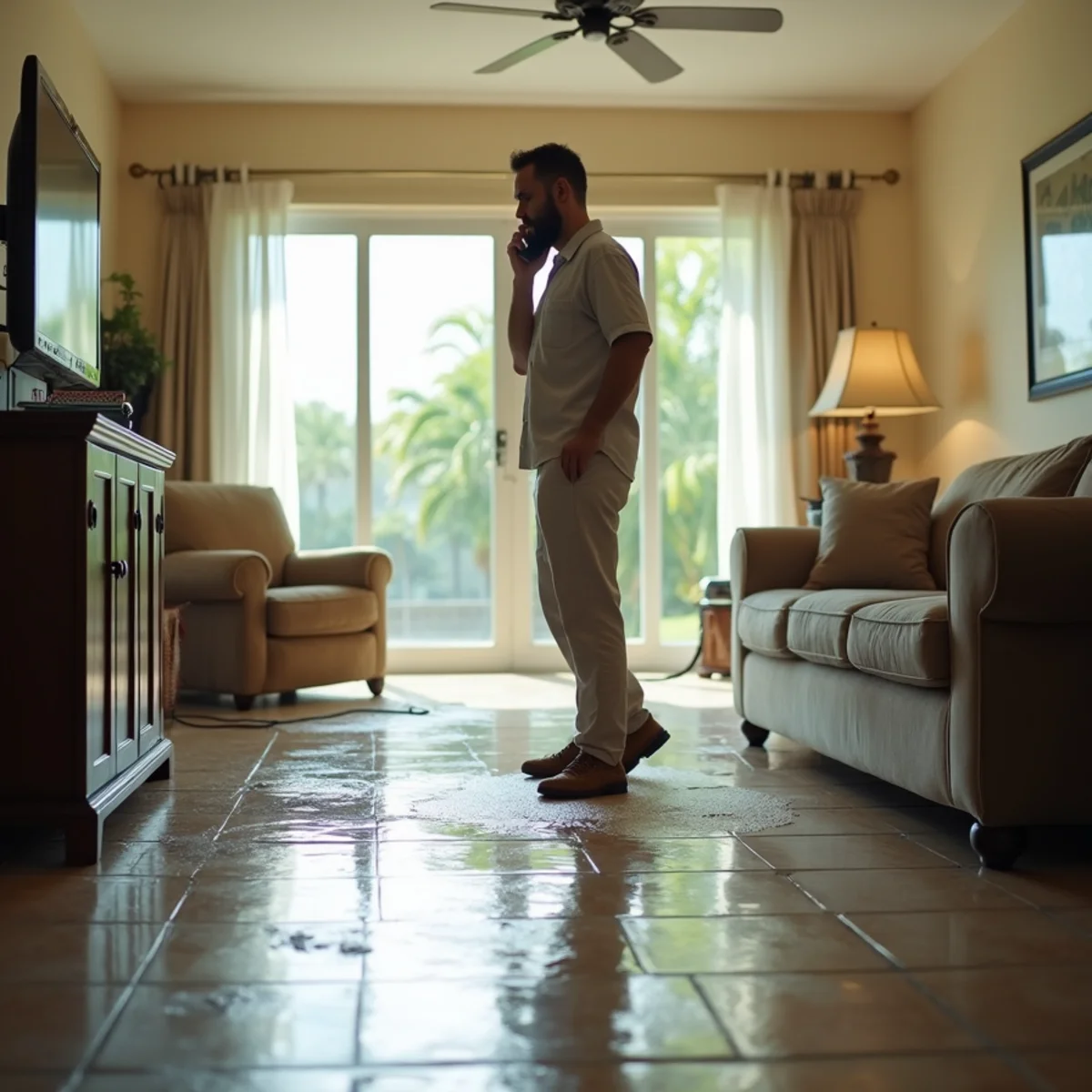
A failed supply line, roof leak, sewage backup, or storm can spread water through a Miami property within minutes. What looks like a small puddle on the tile is often the last visible sign of moisture that has already moved into cabinets, wall cavities, and the slab edge.
Water damage restoration in Miami includes safe inspection, emergency water extraction, moisture mapping, structural drying, sanitation, documentation, and repair coordination. Our technicians assess the water category, check slabs and block walls for hidden moisture, and separate mitigation from rebuilding and insurance decisions.
Ultra Mold Water Restoration is a family-owned, certified team serving Miami-Dade, Broward, and Palm Beach. We answer the phone 24/7, explain the immediate safety step, and put a written plan in front of you before non-emergency work expands.
Warning signs you shouldn’t ignore
- Standing water, active dripping, or a spreading stain on floors or ceilings
- Warped, cupped, or lifting flooring and swollen baseboards
- A musty or earthy smell that lingers after the surface looks dry
- Bubbling paint, soft drywall, or a sagging ceiling
- Unexplained rise in your water bill or the sound of running water
- Peeling cabinet toe-kicks or dark discoloration at slab edges
Why Miami Water Damage Does Not Wait
A failed supply line can soak a Brickell condo floor before the elevator reaches the lobby. A roof leak in Miami Beach can spread through drywall, cabinets, and slab edges while the visible puddle still looks small. Stormwater, sewage, and wind-driven rain add safety risks because the water can already be contaminated before it reaches the hallway.
Miami's flat, low-lying geography, shallow groundwater, humid climate, and concrete construction all slow evaporation and hide moisture. EPA guidance recommends drying wet areas within 24 to 48 hours to reduce mold risk and keeping indoor relative humidity below 60 percent. A floor can read dry while moisture remains behind cabinets, inside wall cavities, beneath tile, or along a slab edge, which is why a hidden-moisture inspection belongs in the first assessment.
What Water Damage Restoration Includes
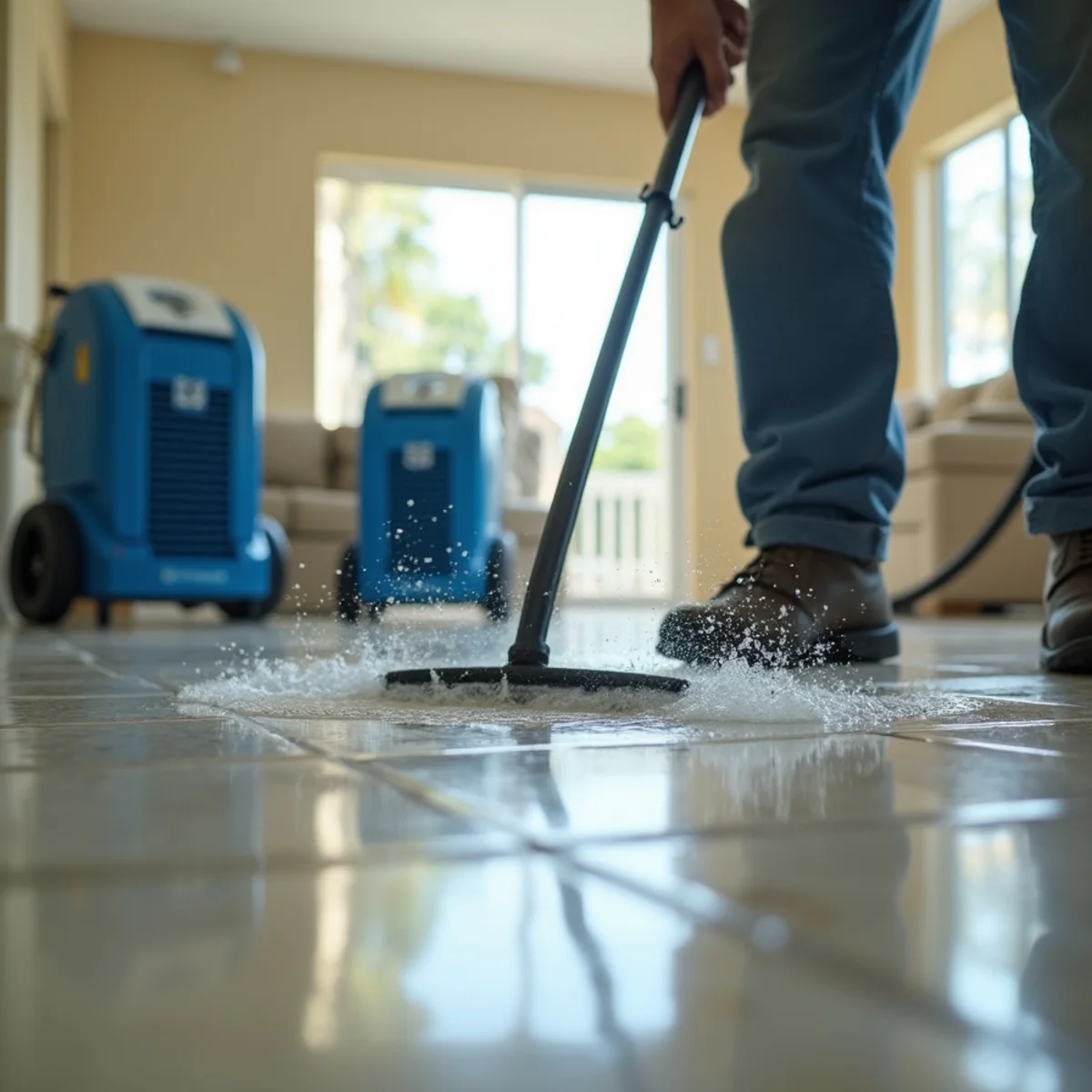
Water damage restoration is more than pushing water out the door. It covers inspection, water mitigation, extraction, moisture mapping, structural drying, dehumidification, sanitation, contents handling, controlled demolition when authorized, repair coordination, and final drying verification.
The process begins by identifying the source and checking for electrical, structural, and contamination hazards. The team then extracts accessible water, measures materials, dries the structure, documents the work, and clearly separates emergency mitigation from the rebuilding that restores finishes.
Our Miami Water Damage Restoration Process
- 1
Emergency inspection and safety check
We identify the source, check for electrical and structural hazards, and confirm the water category. Category 1 is relatively sanitary source water, Category 2 is significantly contaminated, and Category 3 includes sewage and floodwater. Appearance alone does not set the category.
- 2
Moisture mapping
Using moisture meters and thermal imaging where appropriate, we map affected and unaffected areas, checking transitions at slab edges, baseboards, cabinet toe-kicks, tile, and shared walls so hidden moisture is found before drying begins.
- 3
Water extraction
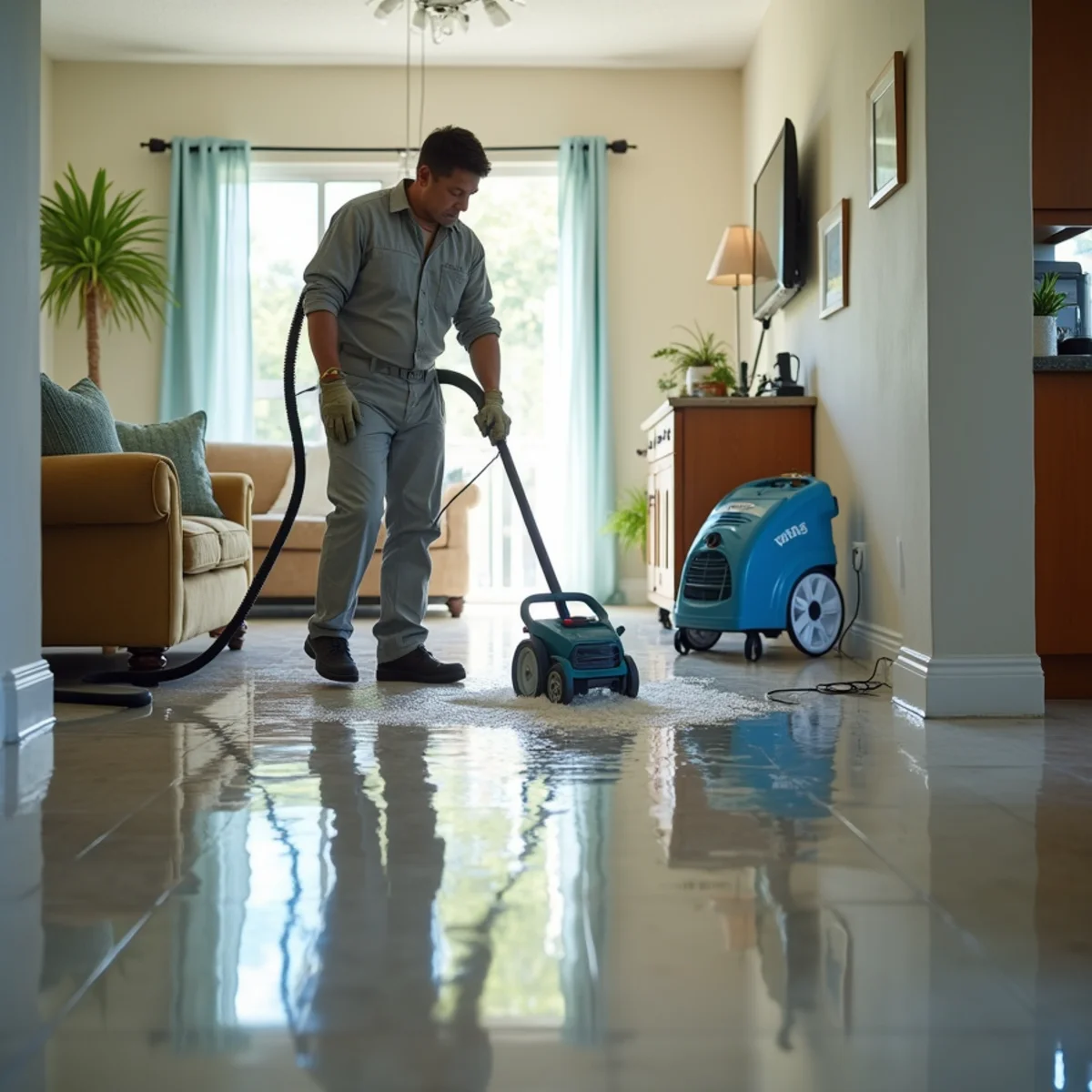
We remove standing and absorbed water with equipment matched to the material and water category, prioritizing the fastest safe reduction of moisture load.
- 4
Structural drying and dehumidification
Air movers and dehumidifiers are positioned to pull moisture out of drywall, cabinets, concrete, and block walls. We recheck temperature, relative humidity, and material readings at documented intervals rather than assuming equipment placement equals a dry structure.
- 5
Sanitation and contents handling
Cleaning, antimicrobial treatment, and contents care are matched to the water category. Unsalvageable materials are removed only when authorized, and we photograph before disposal when safety allows.
- 6
Verification and documentation
We continue until material readings support a dry-condition decision, then provide a drying record and photo file that separate completed mitigation from repairs still required.
Finding Hidden Moisture in Miami Homes
Concrete slabs and block walls are common in South Florida and do not reveal moisture quickly. Tile and terrazzo can conceal wet underlayment or adhesive, and cabinets trap water behind toe-kicks and along adjoining walls.
Psychrometric monitoring measures the relationship between temperature, humidity, and the moisture held by materials. A drying curve shows whether readings are trending toward the intended dry condition over time. A room is not dry simply because fans were placed in it, which is why we compare readings in affected and unaffected areas instead of relying on a single surface check.
Insurance, Documentation, and the S500 Standard
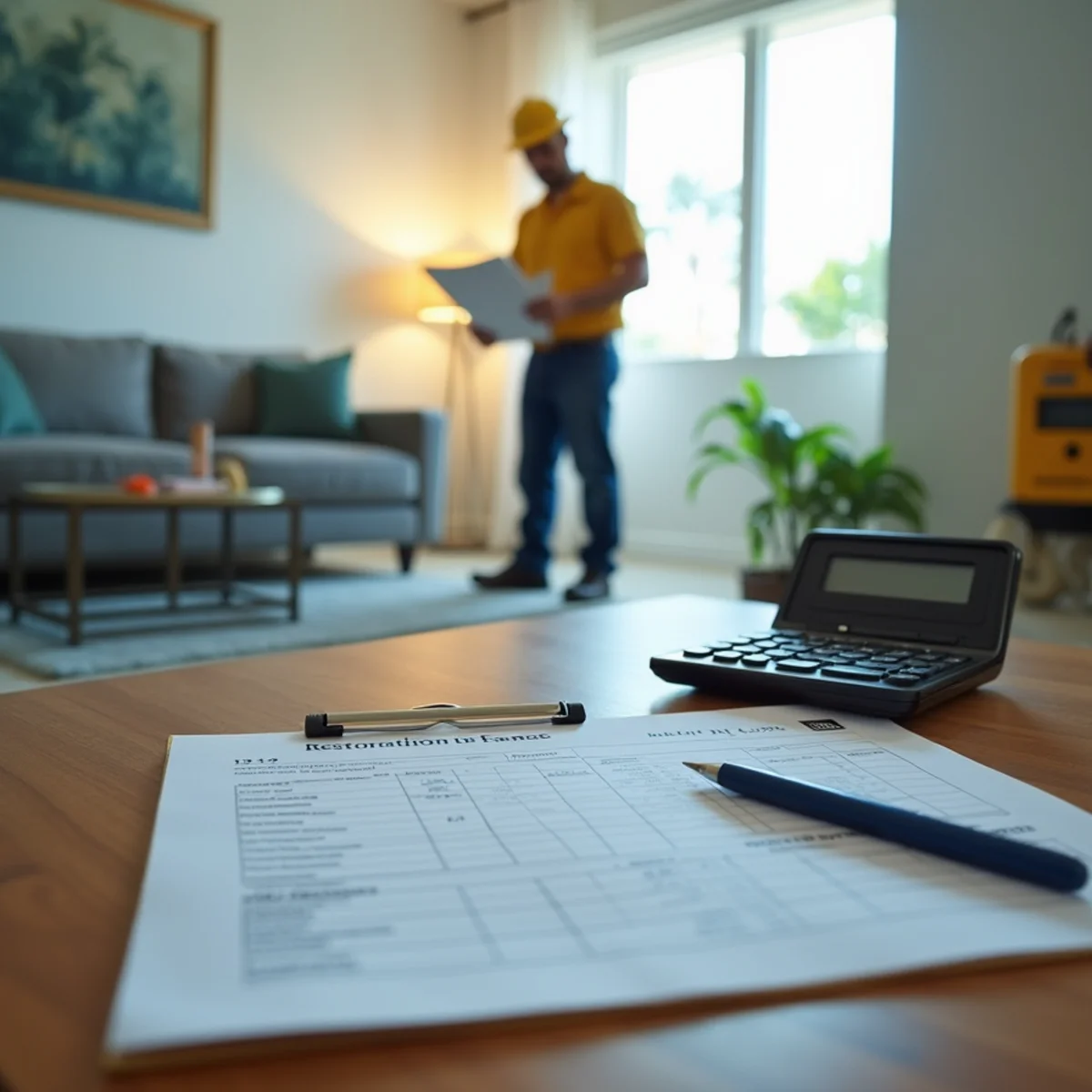
A restoration company documents damage and communicates with your insurer, but the carrier decides coverage and payment. We build a file that includes scope, photos, readings, equipment history, sanitation details, approved demolition, invoices, and unresolved repair recommendations so your claim has organized information.
Our work follows ANSI/IICRC S500, Fifth Edition 2021, which addresses psychrometry, drying technology, documentation, safety, contents, and structural restoration. Ask any company whether it follows the standard and whether its technicians hold verifiable credentials.
Why Miami Homeowners Choose Ultra Mold
We are a licensed, family-owned team that has spent years working with South Florida's slab-on-grade construction, block walls, and rainy-season humidity. We separate emergency mitigation from plumbing, roofing, rebuilding, permits, and insurance decisions, then explain each step so you know what happened and what happens next.
- 24/7 live dispatch across Miami-Dade, Broward, and Palm Beach
- Documented moisture readings and drying logs, not just equipment on the floor
- Certified technicians working to the ANSI/IICRC S500 standard
- Free inspection and a written scope before non-emergency work expands
- Direct communication with your insurance carrier and adjuster
Water Damage Restoration Across Miami-Dade and Broward
Our certified crews respond throughout Miami-Dade and Broward County, and we know how water behaves in each. We restore homes and condos in Miami Beach and Coral Gables, dry the high-rises and canal-side properties around Doral and Kendall, and cross the county line for losses in Fort Lauderdale and Hollywood. Wherever you are in South Florida, we dispatch 24/7 and confirm the drive time when you call.
Because we are based in Plantation and work these neighborhoods every week, we already recognize the slab-on-grade floors, block-wall assemblies, and tile-over-concrete construction that trap moisture in local homes. That familiarity shortens the assessment and helps us find hidden water faster than a crew seeing a Miami property for the first time, which is exactly the head start a 24-to-48-hour drying window needs.
What affects the cost
Every loss is different. These are the factors that shape your estimate — we confirm the scope during your free inspection, and the figures below are planning ranges, not a quote.
- Water category (sanitary, significantly contaminated, or sewage/floodwater)
- Affected square footage and number of rooms
- Material type: porous drywall and cabinets versus dense slab and block
- Access limits, high-rise coordination, and equipment staging
- Controlled demolition, contents handling, and sanitation needs
- Permit requirements for structural, plumbing, or electrical repair
- Planning ranges often run $1,500 to $5,800 per event, with extraction around $350 to $800 and structural drying around $600 to $1,500 per room; the inspection sets the actual scope
Need help right now?
Certified crews, 24/7, across South Florida.
Frequently asked questions
Call as soon as the source is controlled or the area is safe to leave. The EPA recommends drying wet areas within 24 to 48 hours to reduce mold risk, and Miami humidity, slabs, block walls, cabinets, and tile can keep hidden moisture in place well after the surface looks dry.
Published planning figures place a Miami restoration event at roughly $1,500 to $5,800, with extraction around $350 to $800 per event and structural drying around $600 to $1,500 per affected room. These are planning ranges, not quotes. The inspection determines the actual scope and whether demolition, contents, and repairs are included.
Extraction removes visible and accessible water. Structural drying uses air movement, dehumidification, moisture readings, and follow-up checks to pull moisture out of drywall, cabinets, concrete, block walls, flooring, and slab edges. Both are needed to reach a documented dry condition.
Yes. Concrete slabs, block walls, cabinets, tile assemblies, drywall, and wall cavities can retain moisture after surface water disappears. Moisture mapping and drying verification show whether further work is needed before mold develops.
Yes. We can document damage, readings, equipment, extraction, drying, sanitation, and repair recommendations. The insurance carrier decides coverage and payment; our documentation supports the claim but does not guarantee approval.