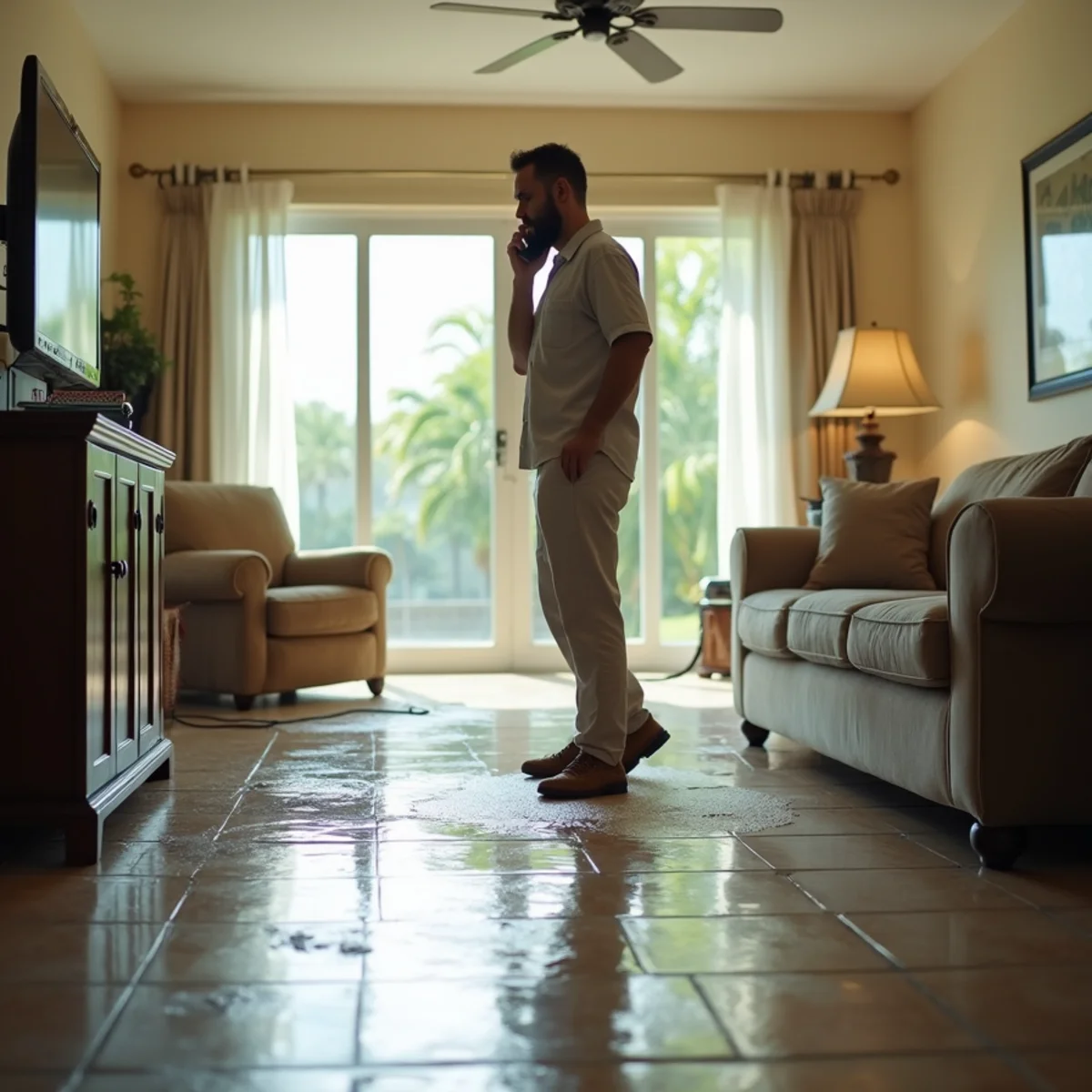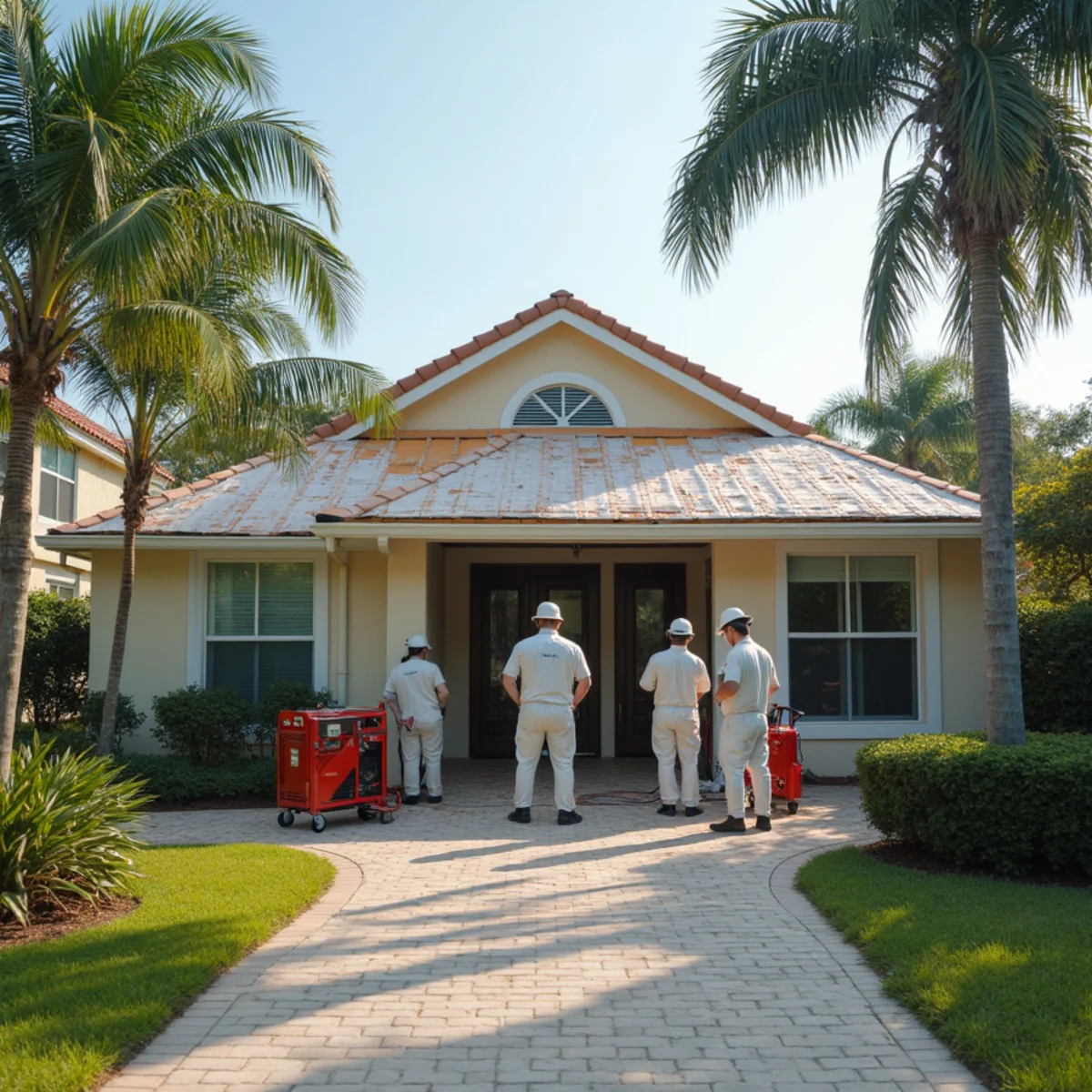
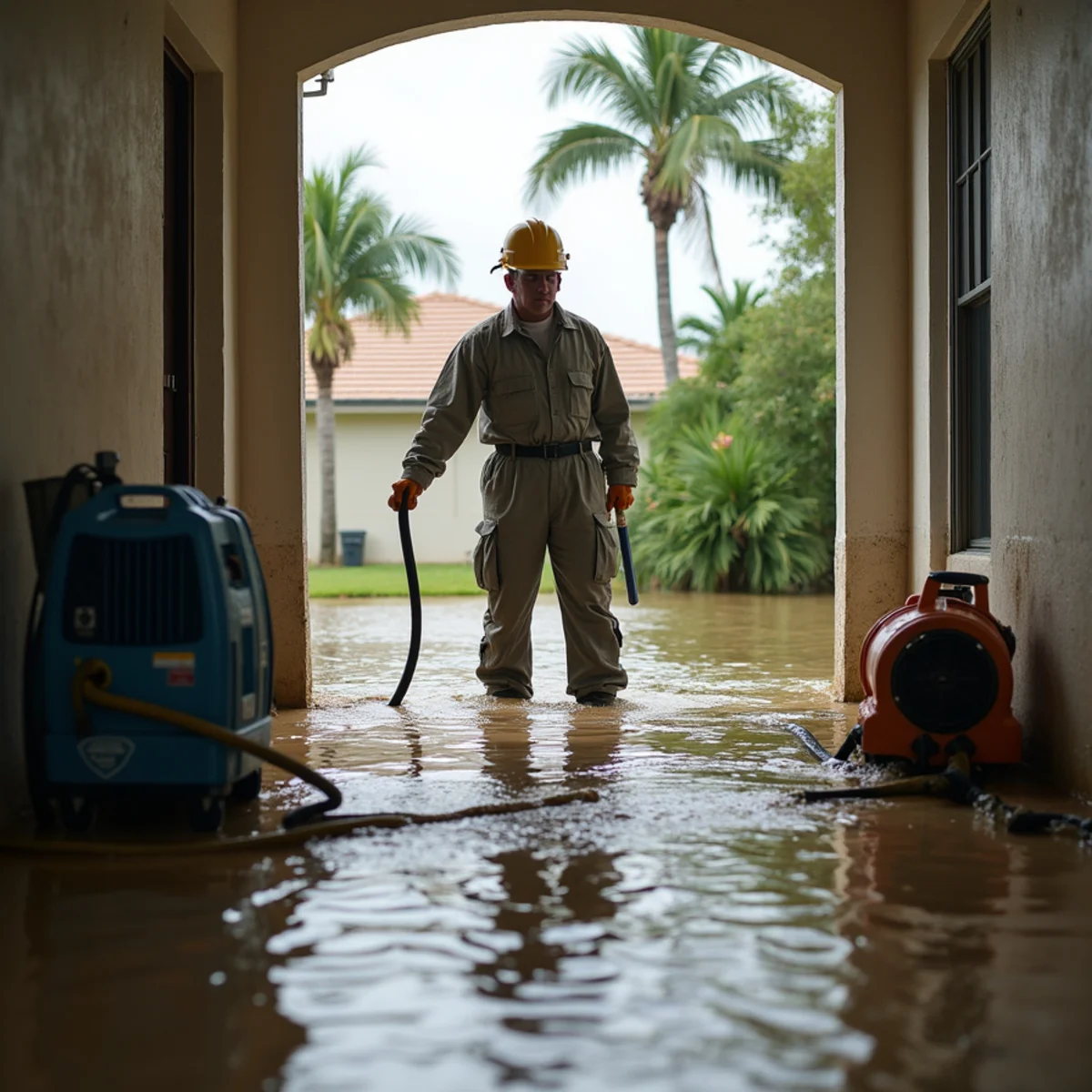
Flooding in South Florida takes many forms: tropical rain that overwhelms drainage, storm surge, king tides pushing up through low-lying streets, and groundwater rising close to the surface. When floodwater enters a home, the cleanup is very different from a clean supply-line leak.
Flood cleanup covers evacuation and electrical safety, contaminated-water extraction, controlled removal of unsalvageable materials, sanitation, structural drying, and documentation. Do not judge the danger by the water line alone, because stormwater and surge can carry contamination into everything they touch.
Ultra Mold Water Restoration responds 24/7 across Miami-Dade with crews equipped for Category 3 conditions, so your flood cleanup is handled safely and documented for your insurer.
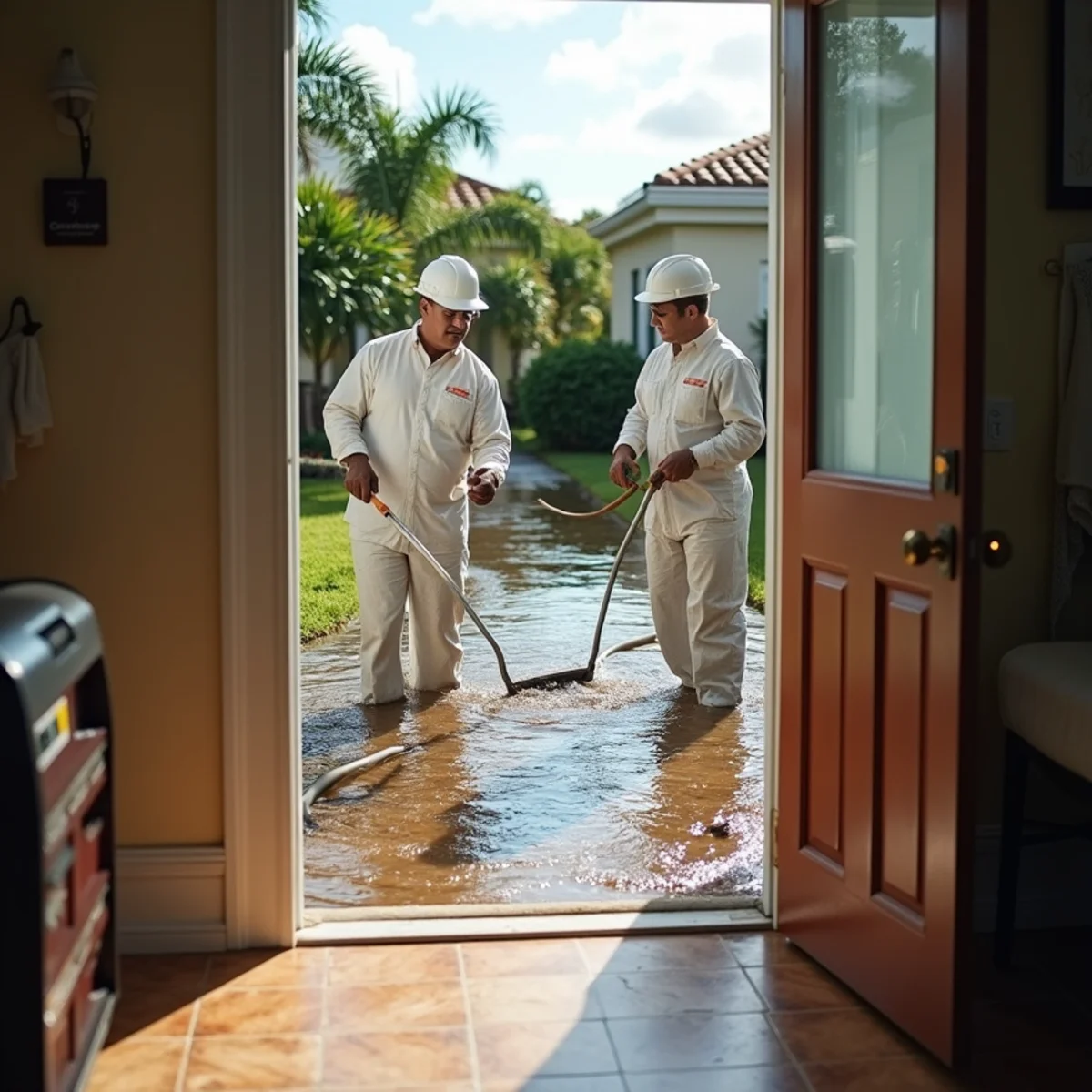
Warning signs you shouldn’t ignore
- Standing or receding water on floors, in garages, or at slab level
- A visible mud or debris line on walls and cabinets
- A sewage or swampy odor after storm or tidal flooding
- Soaked, sagging drywall and swelling baseboards
- Silt or grit left behind on floors and in low cabinets
- Rising damp or discoloration climbing up block walls
Why Miami Floodwater Is Usually Contaminated
Floodwater is not the same as a clean pipe leak. Stormwater, storm surge, and floodwater can carry soil, sewage, chemicals, and organic material, which generally places them in Category 3, the most contaminated classification. That means protective equipment, controlled access, sanitation, and careful decisions about what can be saved.
Miami's flat geography and shallow groundwater mean water enters low and lingers. Ground-floor units, garages, and slab edges take the first hit, and porous materials like drywall and cabinets wick that contaminated water upward well past the visible line.
First Steps When Your Home Floods
Safety comes before possessions. If floodwater is active, follow evacuation and emergency instructions, keep away from electrical hazards, and do not walk through floodwater and track it into clean rooms.
- Move people and pets away from standing water and exposed wiring
- Turn off electricity to affected areas from a dry, safe location
- Avoid contact with floodwater and do not use household vacuums on it
- Photograph the water line, affected rooms, and contents before moving them
- Call for emergency flood cleanup and mitigation as soon as it is safe
Our Flood Cleanup Process
- 1
Safety and category assessment
We confirm the area is safe, check for electrical and structural hazards, and assess the water category so the right protective procedures are used from the start.
- 2
Contaminated water extraction
We remove standing floodwater with equipment suited to contaminated conditions, working to reduce the moisture load and exposure quickly.
- 3
Muck-out and controlled removal
Unsalvageable porous materials and debris are removed and bagged for proper disposal, and we photograph contents before disposal when safety allows.
- 4
Cleaning, sanitation, and antimicrobial treatment
Surfaces are cleaned and treated according to the water category and materials, addressing the contamination floodwater leaves behind.
- 5
Structural drying and verification
Air movers and dehumidifiers dry the structure, including slab edges and block walls, and we monitor readings until they support a dry-condition decision.
Flooding, King Tides, and Insurance
A neighborhood name alone does not determine flood risk; elevation, building design, drainage, and the water source all matter. Storm surge, tidal flooding, groundwater intrusion, and plumbing losses can raise different treatment and claim questions.
Homeowners insurance does not automatically cover flood or stormwater damage. Coverage depends on the policy, cause, exclusions, endorsements, deductible, and facts of the loss, and separate flood insurance may apply. We document the loss thoroughly, but the carrier decides coverage.
Local Flood Response Across Miami-Dade
We work with Miami's realities: king tides in coastal and low-lying areas, rainy-season downpours from May through October, and ground-floor units in Brickell, Edgewater, and the beaches. Our crews stage equipment for high-rises and single-family homes alike and coordinate with building management when a shared space is involved.
Why Choose Ultra Mold for Flood Cleanup
Contaminated floodwater is not a job to hand to a general handyman. Our crews are equipped and trained for Category 3 conditions, from protective equipment and controlled access to sanitation and disposal, and we document every step so the loss is handled safely and defensibly.
- IICRC-certified technicians equipped for Category 3 floodwater
- ANSI/IICRC S500 procedures for extraction, sanitation, and drying
- Licensed and insured, with $1M general liability coverage
- 24/7 dispatch during storms, king tides, and rainy-season flooding
- Documented moisture readings and a photo record for your claim
Flood Cleanup Across Low-Lying South Florida
We answer flood calls where water collects first: the low, coastal, and canal-fed parts of the region. That includes Cutler Bay and Homestead in south Miami-Dade, Miami Gardens to the north, and Broward communities like Pompano Beach, Davie, and Weston that sit near canals and drainage basins.
Elevation, drainage, and the water source vary block to block in these areas, so we assess each property on its own facts rather than a neighborhood label. Knowing where surge, tidal backflow, and stormwater tend to enter local homes helps us extract and sanitize the right areas before contamination wicks deeper into walls, cabinets, and slabs.
Ground-floor units, garages, and slab-level living spaces take the first hit when water rises in these neighborhoods, so we stage high-capacity extraction and drying equipment with that in mind. Getting a crew on site quickly is what keeps a receding flood from becoming weeks of trapped moisture and mold behind the baseboards, which is why we prioritize the fastest safe route to your address when you call during a storm or a king-tide event. If a shared wall, garage, or common area is involved, we coordinate access with building management so the work is not held up at the door.
What affects the cost
Every loss is different. These are the factors that shape your estimate — we confirm the scope during your free inspection, and the figures below are planning ranges, not a quote.
- Volume of water and the affected square footage
- Contamination level and required protective procedures
- Amount of unsalvageable material to remove and dispose of
- Sanitation, antimicrobial treatment, and odor control needs
- Structural drying time for slabs and block walls
- Access and staging, especially for ground-floor units and garages
- Full flood cleanup planning ranges often fall near $2,000 to $6,000 for a 1,500 square-foot home; the inspection sets the true scope
Need help right now?
Certified crews, 24/7, across South Florida.
Frequently asked questions
Often yes. Stormwater, surge, and floodwater are generally treated as Category 3, meaning they can carry sewage, chemicals, and organic contamination. Keep people and pets away, avoid contact and household vacuums, and call for a contaminated-water assessment.
No, homeowners insurance does not automatically cover flood or stormwater damage. Coverage depends on the policy, cause, exclusions, endorsements, and facts of the loss, and separate flood insurance may apply. The carrier decides coverage.
As soon as the area is safe. The EPA recommends drying wet areas within 24 to 48 hours to reduce mold risk. With contaminated floodwater, prompt extraction and sanitation also limit exposure and secondary damage.
Sometimes, but floodwater contamination often means porous materials like saturated drywall and cabinet components must be removed. The decision depends on the water category, exposure time, and material condition, and we explain it before anything is removed.
The water category, how long materials were submerged, and the material type drive the decision. Category 3 floodwater usually means saturated drywall, carpet, padding, and insulation are removed, while non-porous surfaces are cleaned and sanitized. We photograph and explain every removal before it happens, which also supports your claim.