Getting the water out fast is the single most important step after a leak or flood, but it is only half the job. Professional water extraction removes accessible water; structural drying then addresses the moisture that has soaked into flooring, drywall, cabinets, baseboards, concrete, and block walls.
In Miami, a slab, tile assembly, cabinet toe-kick, or concrete block can look dry while still releasing moisture into the room. That is why extraction is followed by monitored drying with documented readings, not a guess that the floor "feels dry."
Ultra Mold Water Restoration pairs powerful extraction equipment with psychrometric monitoring so your property reaches a verified dry condition and mold never gets its window.
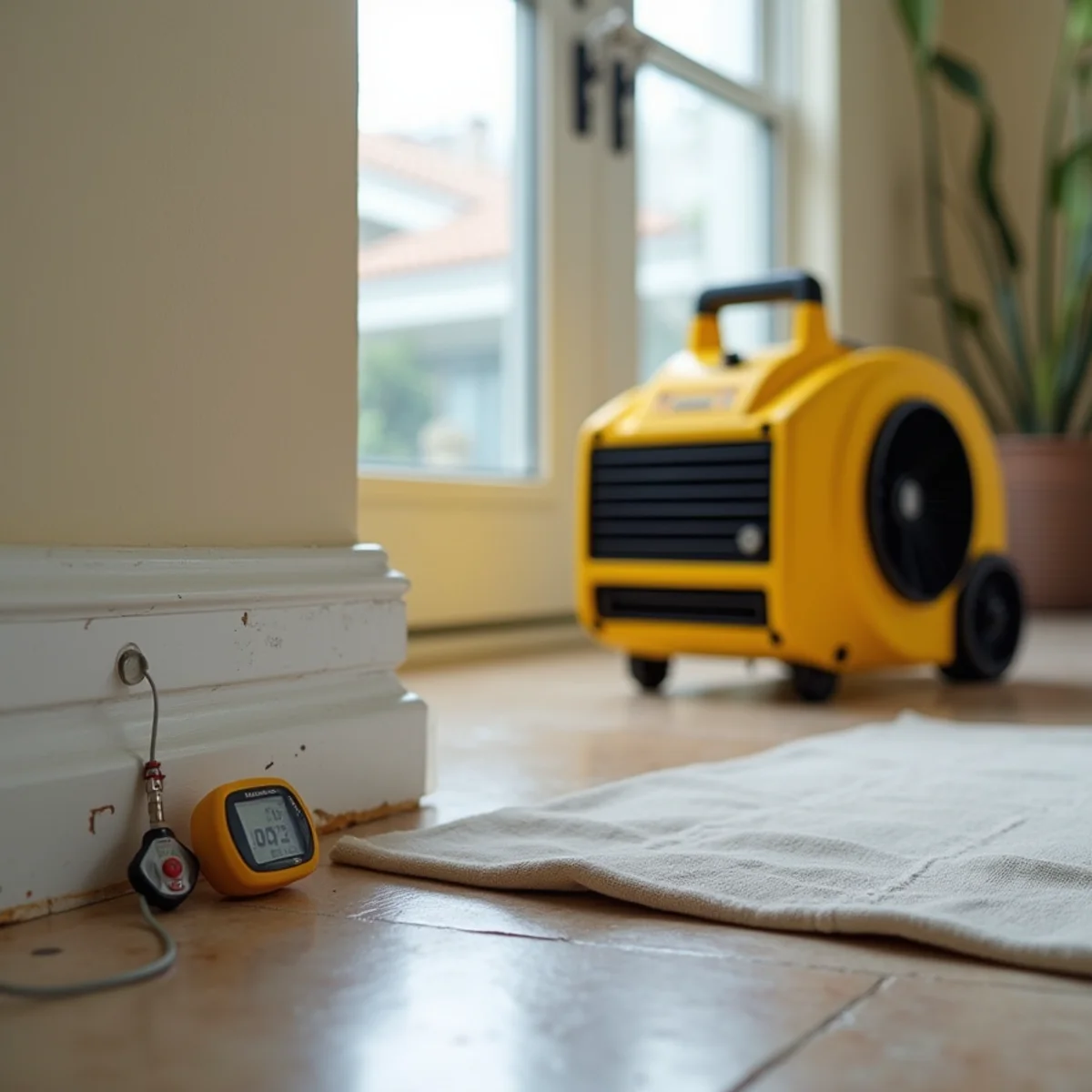
Warning signs you shouldn’t ignore
- Water pooling on floors or wicking up walls and baseboards
- Damp, cool spots on drywall or flooring that persist for days
- A musty smell developing after a leak was "mopped up"
- Condensation, high humidity, or a clammy feel in affected rooms
- Buckling wood floors or lifting tile weeks after an incident
- Discoloration spreading along slab edges or cabinet bases
Extraction Removes Water; Drying Removes Moisture
Extraction and structural drying are two different jobs. Extraction removes standing and absorbed water with equipment matched to the material and water category. Structural drying uses air movement, dehumidification, moisture readings, and follow-up checks to remove moisture that has migrated into building materials.
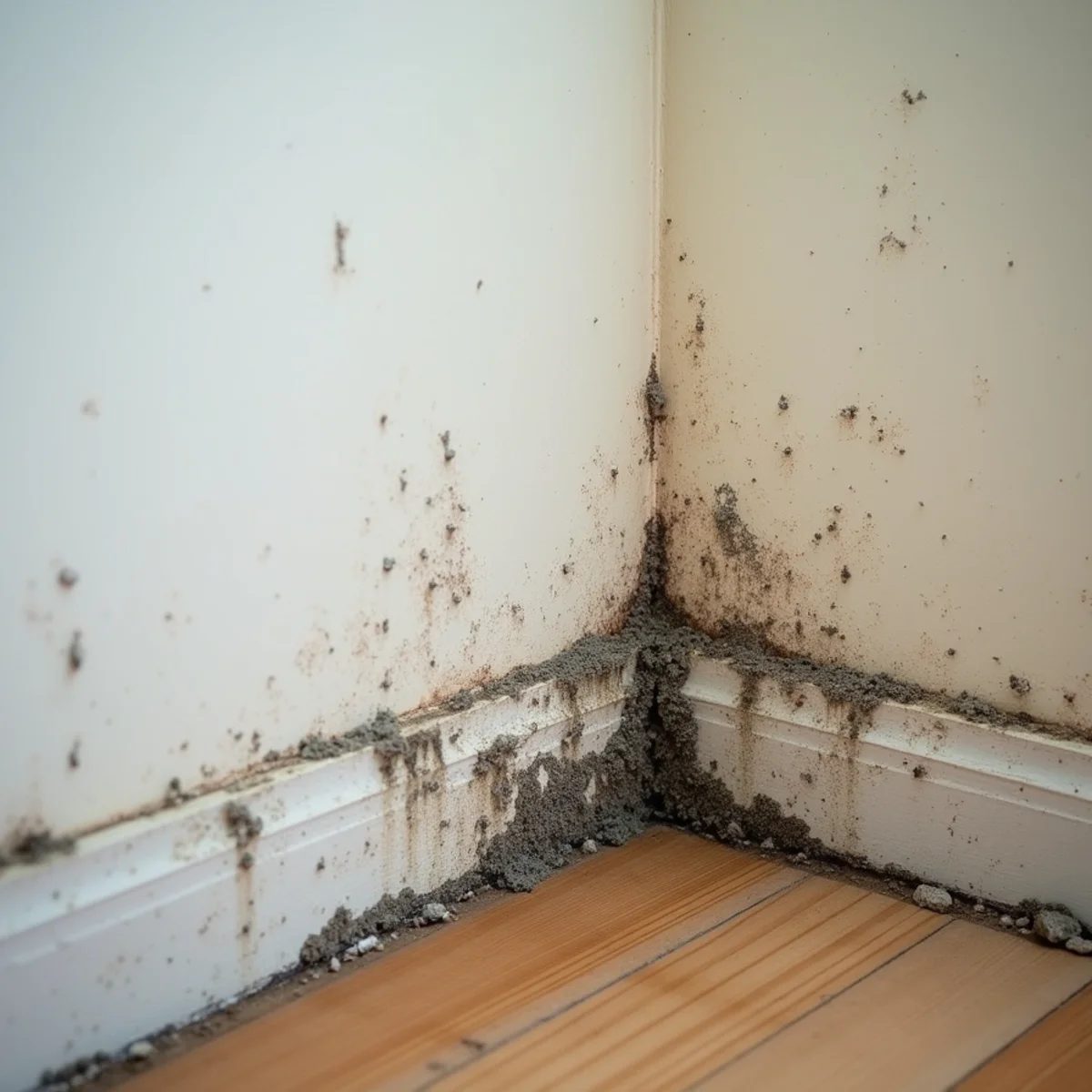
Skipping the drying phase, or ending it early, is how a "cleaned up" leak turns into a mold problem weeks later. The visible water is gone, but the slab edge, block wall, or cabinet cavity is still wet.
Why Fast Extraction Matters in Miami
The EPA recommends drying wet areas within 24 to 48 hours to reduce mold risk and keeping indoor relative humidity below 60 percent. In South Florida's climate, that window is tight, because ambient humidity already works against drying.
The longer water sits, the more it wicks into porous materials and the more likely a Category 1 loss is to degrade into a worse condition. Rapid extraction reduces the total moisture load so the drying phase can succeed within a reasonable timeline.
Our Extraction and Drying Process
- 1
Moisture mapping
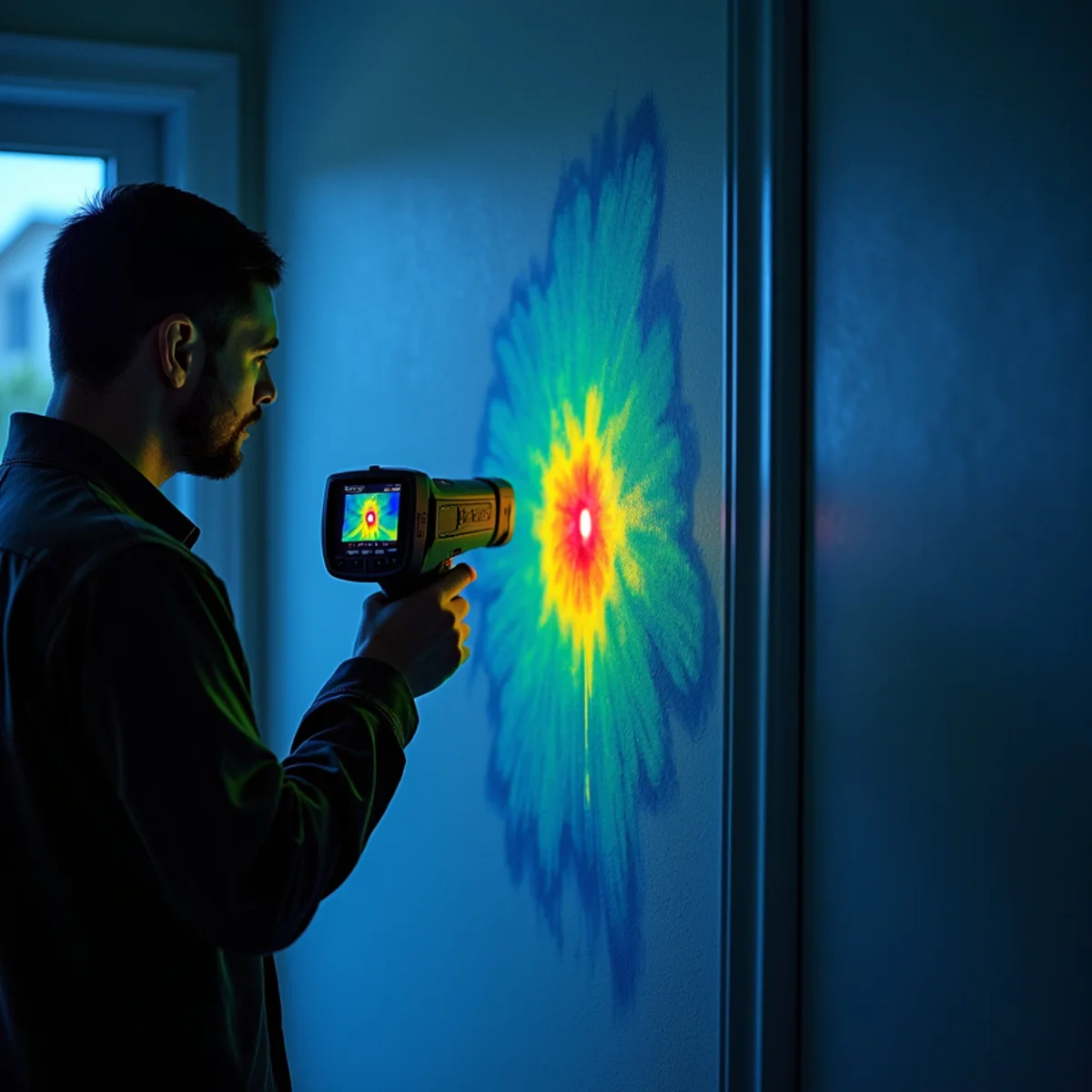
We map affected and unaffected rooms and materials with moisture meters and thermal imaging where appropriate, establishing baseline readings before any equipment goes down.
- 2
Water extraction
We remove standing and absorbed water using truck-mount or portable extraction and specialty tools for hard surfaces, matched to the material and water category.
- 3
Air movement and dehumidification
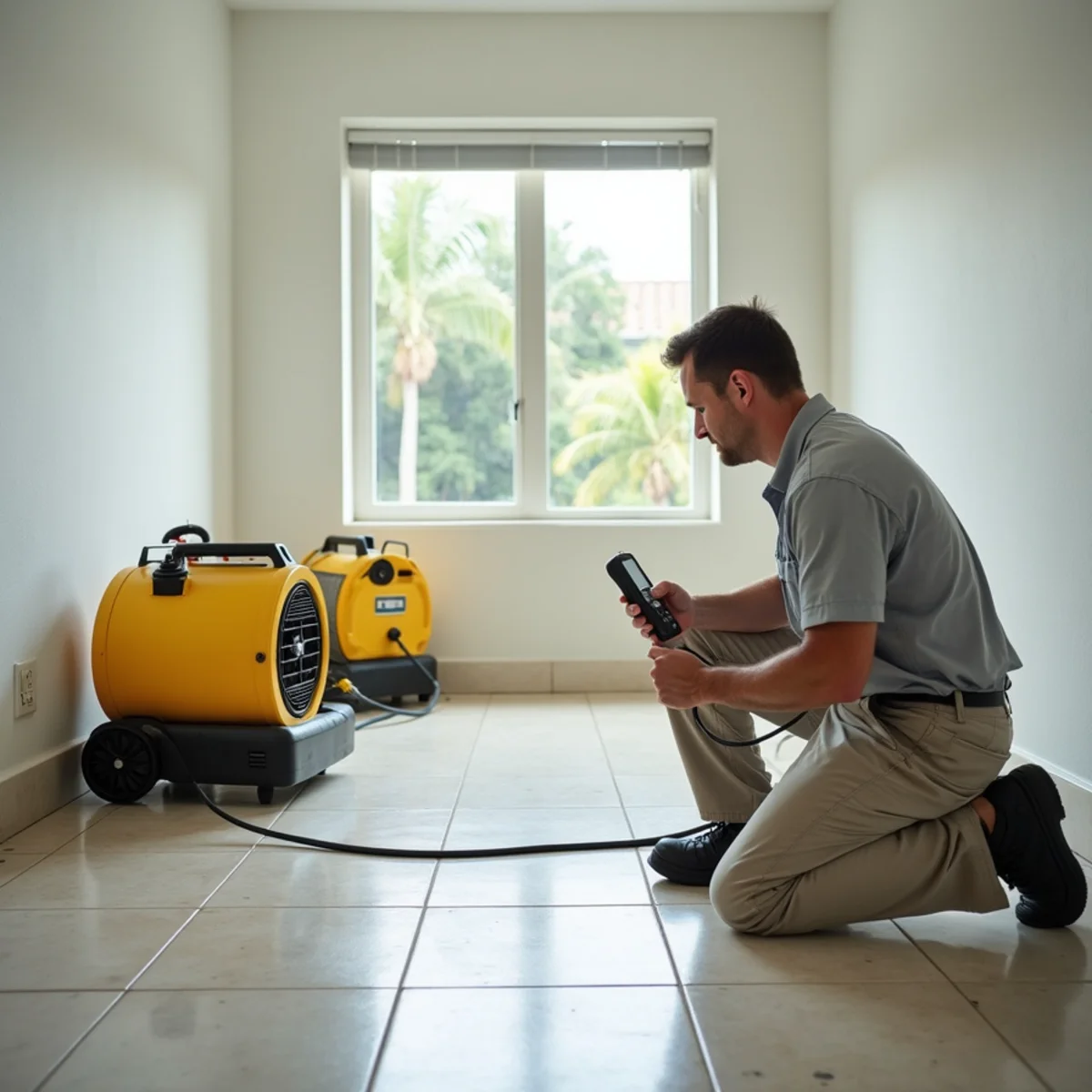
Air movers and dehumidifiers are positioned to pull moisture out of materials and lower indoor humidity, creating the drying environment the structure needs.
- 4
Monitoring and adjustment
We recheck temperature, relative humidity, and material readings at documented intervals, then adjust equipment placement and remove unsalvageable materials when authorized.
- 5
Verified dry condition
We continue until material readings support a dry-condition decision, then provide a drying record that separates completed mitigation from any repairs still required.
How We Prove the Structure Is Dry
Psychrometric monitoring measures the relationship between temperature, humidity, and the moisture held by materials. A drying curve shows whether readings are trending toward the intended dry condition over time. Equipment running in a room does not prove that room is dry.
We compare readings in affected and unaffected areas rather than relying on a single surface reading, and we do not recommend closing walls or applying finishes until the drying and repair decision is documented. Ask for the moisture readings; do not settle for "it feels dry."
Why Miami Homeowners Trust Our Drying
As a local, family-owned team, we have dried out enough South Florida slabs, block walls, and cabinet assemblies to know that ambient humidity is always working against us. That is why we size equipment to the space, monitor readings daily, and stay on a job until the numbers, not a hunch, say it is dry.
- Commercial-grade air movers and dehumidifiers sized to the loss
- Daily documented moisture readings, not one-and-done checks
- Drying targeted to slab edges, block walls, and cabinet cavities
- A drying record you can keep and share with your insurer
Extraction and Drying Across Miami-Dade and Broward
We bring truck-mount and portable extraction plus commercial dehumidifiers to jobs across both counties: Doral and Kendall in Miami-Dade, and Coral Springs, Miramar, and Fort Lauderdale in Broward. We cover the full Miami-Dade County footprint and stage equipment for single-family homes, townhomes, and towers alike.
Drying a South Florida structure is a different job than drying one in a dry climate. Ambient humidity works against you year-round, and dense slab, block, and tile hold moisture long after the surface feels dry. We size the equipment to the loss and the local conditions rather than dropping a fixed number of fans and hoping for the best.
On every job we monitor readings daily and stay until the numbers, not a hunch, support a dry-condition decision. You get a drying log you can keep and hand to your carrier, showing the structure reached a documented dry standard.
We also work with your insurer's timeline, providing readings and daily updates so an adjuster sees drying progress rather than a single before-and-after snapshot. That running record helps justify the equipment and the days on site if the scope is ever questioned, and it gives you proof the structure was returned to a normal, dry standard before any finishes went back on the wall.
What affects the cost
Every loss is different. These are the factors that shape your estimate — we confirm the scope during your free inspection, and the figures below are planning ranges, not a quote.
- Volume of water and total affected area
- Material type, since dense slab and block dry slower than drywall
- Number of air movers and dehumidifiers required
- Length of the drying period and monitoring visits
- Water category and any sanitation needs
- Access and whether furniture or contents must be moved
- Structural drying planning ranges often run near $600 to $1,500 per affected room; extraction alone often falls near $350 to $800
Need help right now?
Certified crews, 24/7, across South Florida.
Frequently asked questions
It depends on the water category, material type, exposure time, humidity, airflow, and how much moisture is inside the structure. Many jobs dry in a few days, but concrete, block, cabinets, and concealed cavities can require longer monitoring. We continue until readings support a dry-condition decision.
Because visible water removal only addresses the surface. Slabs, block walls, cabinets, tile assemblies, and wall cavities hold moisture that feeds mold. Structural drying and documented readings confirm the materials themselves are dry.
Household equipment rarely moves enough air or removes enough moisture to dry a structure within the 24-to-48-hour window, and it cannot measure whether materials are actually dry. Professional equipment plus moisture monitoring is what prevents a hidden-moisture problem.
We record temperature, relative humidity, and material moisture content in both affected and unaffected areas, then track them over time. Comparing the two shows whether materials are trending toward a normal, dry baseline. Ask for these readings; a room is not dry just because equipment is running in it.
Not always. Fast extraction and correctly placed air movers and dehumidifiers can often dry materials in place. When water is trapped behind cabinets, under tile, or inside a wall cavity and will not release, controlled removal may be needed. We measure first and explain any removal before it happens.