The Damage You Cannot See Is the Dangerous Kind
Visible water damage is easy to act on, but the losses that cause the most trouble are the ones hiding inside walls, above ceilings, and under floors. Water from a slow leak can travel and pool in places you never look, quietly soaking framing and insulation. Because mold can begin growing within 24 to 48 hours on wet materials, a hidden leak often becomes a mold problem before you have any idea the water was there. Learning to read the subtle signs gives you a chance to catch it early.
None of these signs alone proves you have water damage, but any of them is a reason to look closer, and several together strongly suggest moisture is at work behind the surface.
The reason early detection pays off so well is that hidden water damage grows in both size and cost the longer it goes unnoticed. A small leak caught in its first days might mean drying a single wall cavity. The same leak found six months later can mean replacing framing, insulation, flooring, and remediating mold across several rooms. The signs below are worth learning precisely because acting on them early is what keeps a minor repair from becoming a major one.
Signs You Can See
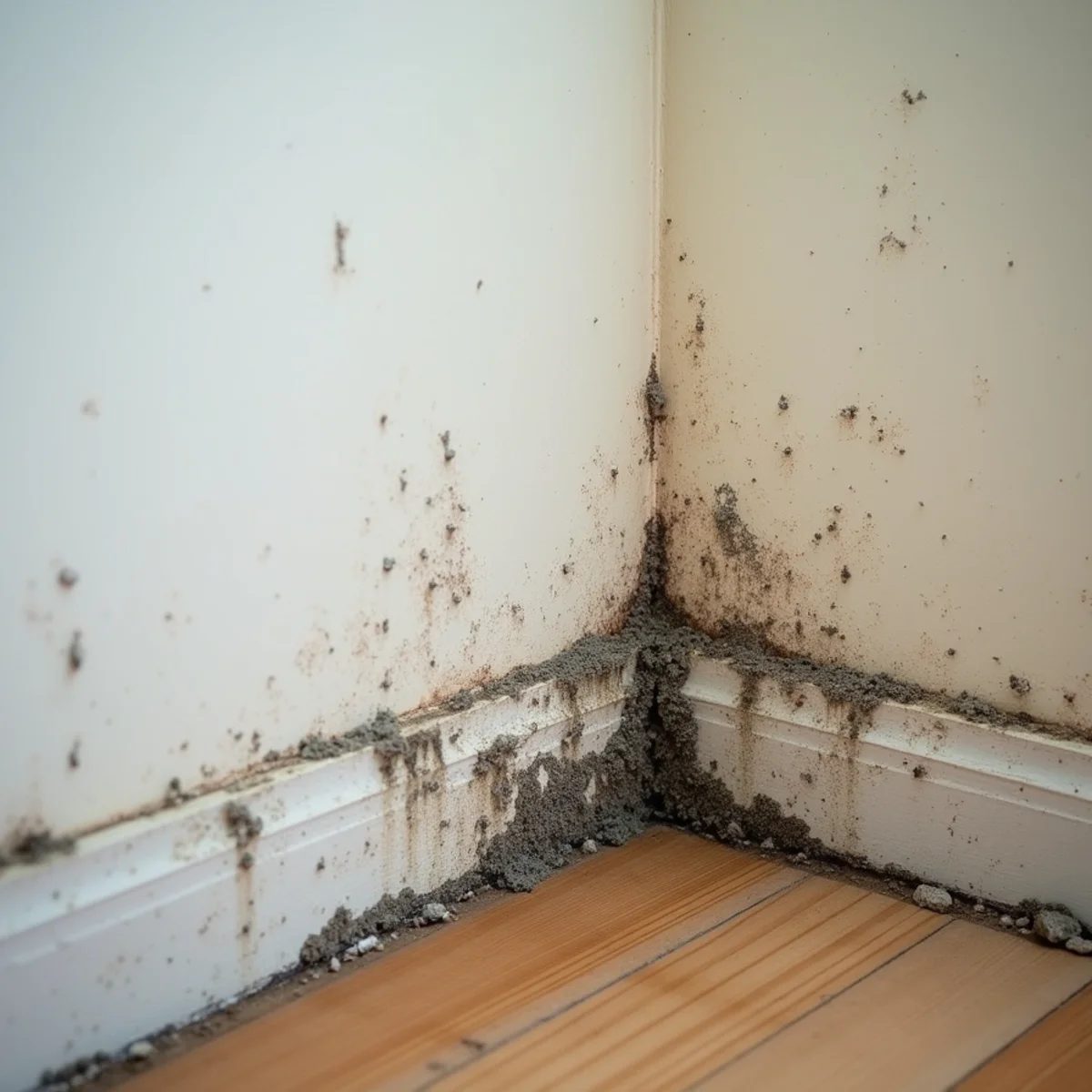
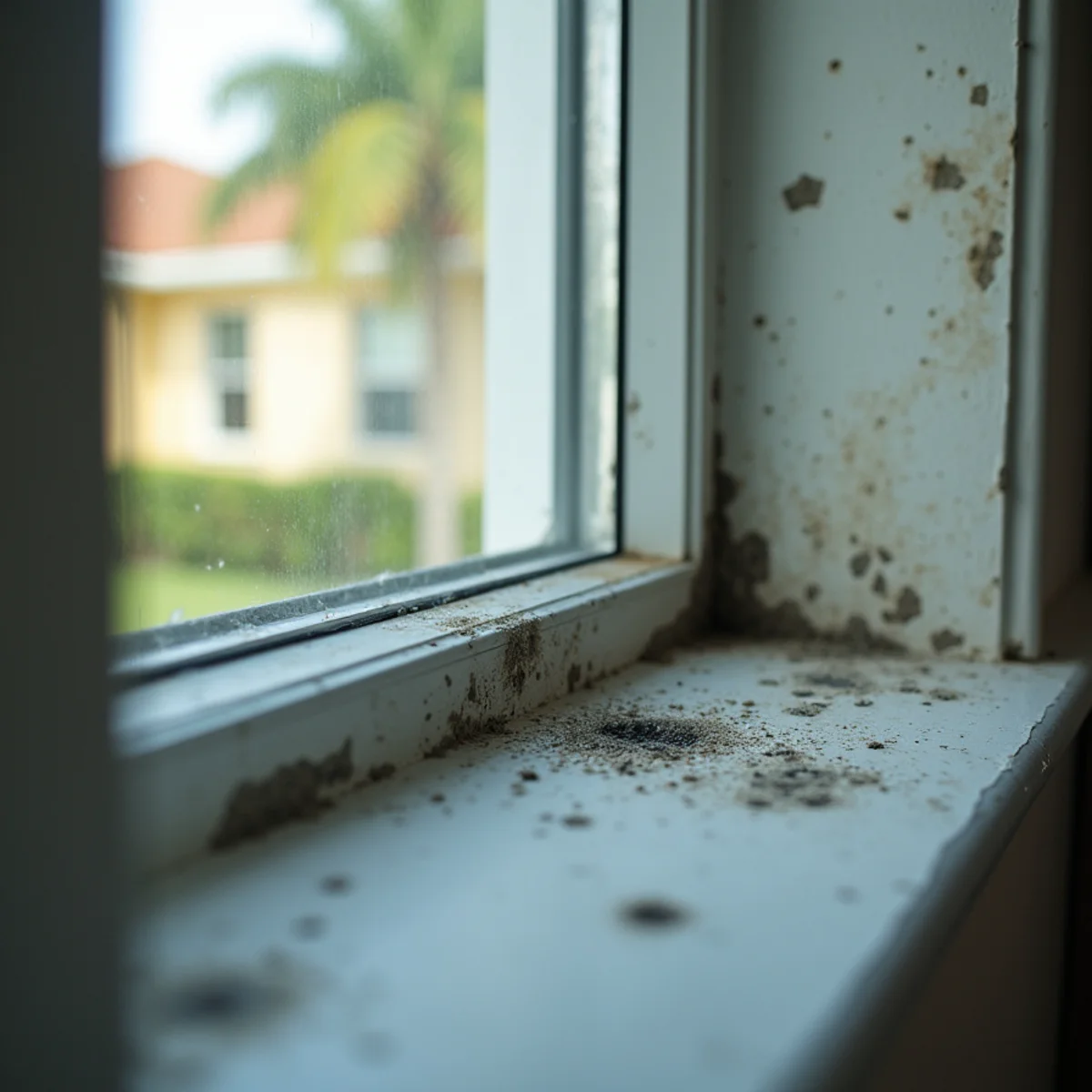
- Discoloration or yellow-brown staining on walls or ceilings, often ring-shaped.
- Paint or wallpaper that bubbles, peels, or cracks for no obvious reason.
- Warped, buckled, or soft spots in flooring, especially wood and laminate.
- Drywall that looks swollen or feels spongy when pressed.
- Efflorescence, a chalky white residue, on concrete or block walls.
Signs You Can Smell and Feel
Your nose is often the first instrument to detect hidden moisture. A persistent musty, earthy smell that you cannot trace to a visible source usually means mold is growing somewhere you cannot see, and mold means water. A room that feels unusually humid or clammy compared to the rest of the house is another clue, as is a spike in your water bill with no change in usage, which can indicate a concealed plumbing leak. Some homeowners also notice worsening allergy-like symptoms indoors that ease when they leave, a sign of elevated spore levels.
Pay attention to your walls and floors with your hands as well as your eyes. A wall that feels cool and damp to the touch in one spot, baseboards that have started to separate from the wall, or floor tiles that sound hollow or shift underfoot can all indicate moisture behind or beneath the surface. Nail heads that suddenly show rust stains through paint, or trim that is cupping and pulling away, are subtle structural tells that water has been at work for a while.
Where Hidden Water Loves to Collect
Certain spots in a South Florida home are repeat offenders. Under kitchen and bathroom sinks, behind toilets and dishwashers, around water heaters, beneath windows, and where the roof meets exterior walls are all common. In our climate, AC systems are a special concern: a clogged condensate drain line can overflow inside a wall or ceiling for weeks. Older homes in Coral Gables, with original plumbing and decades of settling, tend to develop leaks at joints and connections that stay hidden until staining finally appears on the surface.
Slab leaks deserve a special mention here, because they are both common and easy to miss in Florida homes built on concrete slabs. When a supply line running through or beneath the slab develops a leak, the first signs are often warm spots on the floor, the sound of running water when no fixture is on, or an unexplained jump in the water bill. Because the water is trapped under the slab, it can travel a long way before it surfaces, and by then it may have wicked up into walls and cabinetry throughout the house.
How Professionals Find What You Cannot
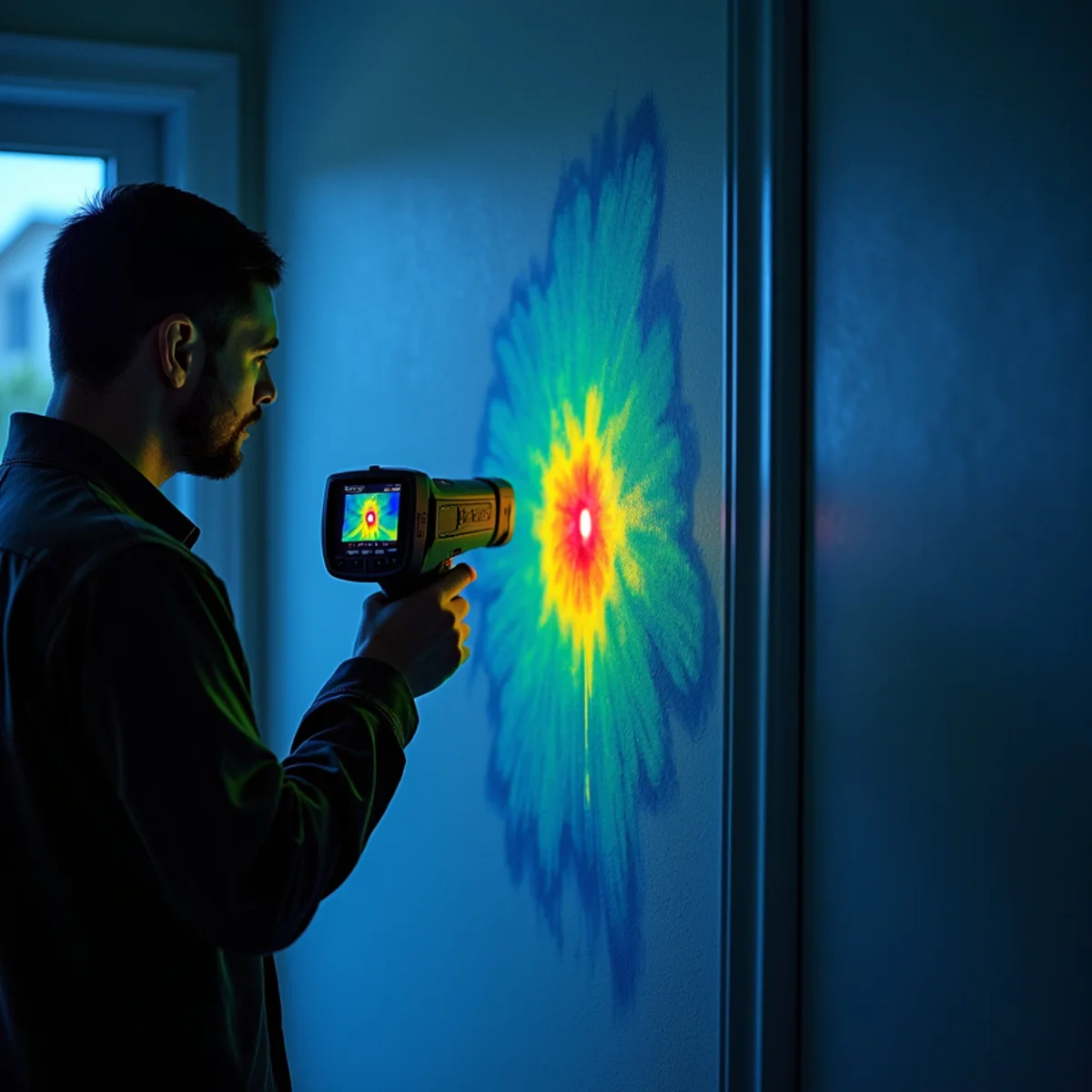
Confirming hidden water damage without tearing open a wall requires the right tools. Moisture meters read the actual moisture content of building materials, and thermal imaging cameras reveal cool, damp areas behind surfaces that look perfectly normal. Our technicians use both during a mold and moisture inspection to map exactly where water has traveled, so any repair is targeted rather than exploratory. If we confirm active moisture, professional water extraction and structural drying removes it before it can feed mold, often without the demolition that a delayed discovery would require.
Act on Suspicion, Not Just Proof
The homeowners who avoid the biggest losses are the ones who investigate a musty smell or a small stain instead of waiting for it to get worse. Hidden water does not resolve on its own; it spreads, and every day it sits raises the odds of mold and structural damage. A quick inspection either gives you peace of mind or catches a problem while it is still small and inexpensive to fix.
Ultra Mold Water Restoration inspects for hidden moisture with professional-grade equipment and is available 24/7 throughout South Florida. If something feels off behind your walls, call (866) 688-0301 and we will find out what is really going on.
Dealing with this right now?
Ultra Mold responds 24/7 across South Florida.
Frequently asked questions
Common early signs include a persistent musty smell, discoloration or staining, bubbling or peeling paint, soft or warped flooring, and an unexplained rise in your water bill. Any of these warrants a closer look.
Yes. Moisture can accumulate inside a wall cavity before it shows on the surface. A musty odor or a clammy room is often the only early clue, which is why moisture meters and thermal imaging are so useful.
With moisture meters that measure the moisture content of materials and thermal imaging cameras that reveal damp areas behind surfaces. These tools map the water without unnecessary demolition.
It depends on the cause and how long it went undetected. Sudden leaks are more likely covered than long-term ones, which carriers may treat as maintenance. Prompt discovery and documentation help your case.