Sometimes you can see mold; often you only smell it or feel its effects while the source stays hidden behind a wall, above a ceiling, or under a cabinet. A mold inspection answers the real questions: is there a moisture problem, where is it, and how big is it?
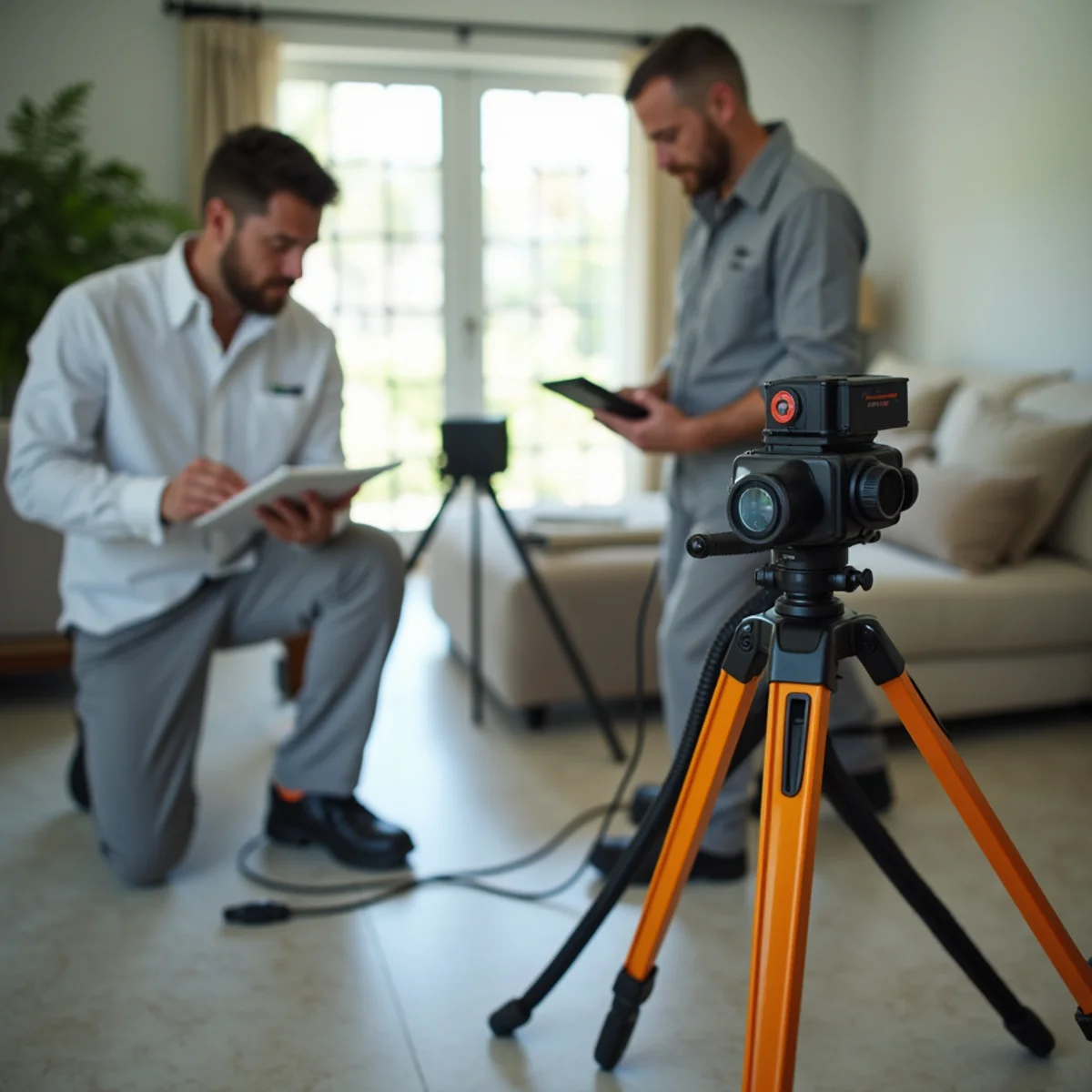
A proper inspection combines a visual assessment with moisture mapping using meters and thermal imaging, and, when appropriate, testing. It defines the scope before any remediation begins, so you are not paying to open walls on a guess.
Ultra Mold Water Restoration provides mold inspection and testing across Miami-Dade, giving you a clear picture of the moisture and the growth so decisions are based on evidence, not assumptions.
Warning signs you shouldn’t ignore
- A persistent musty odor with no visible source
- A history of leaks, flooding, or high indoor humidity
- Discomfort or allergy-type symptoms that ease when you leave
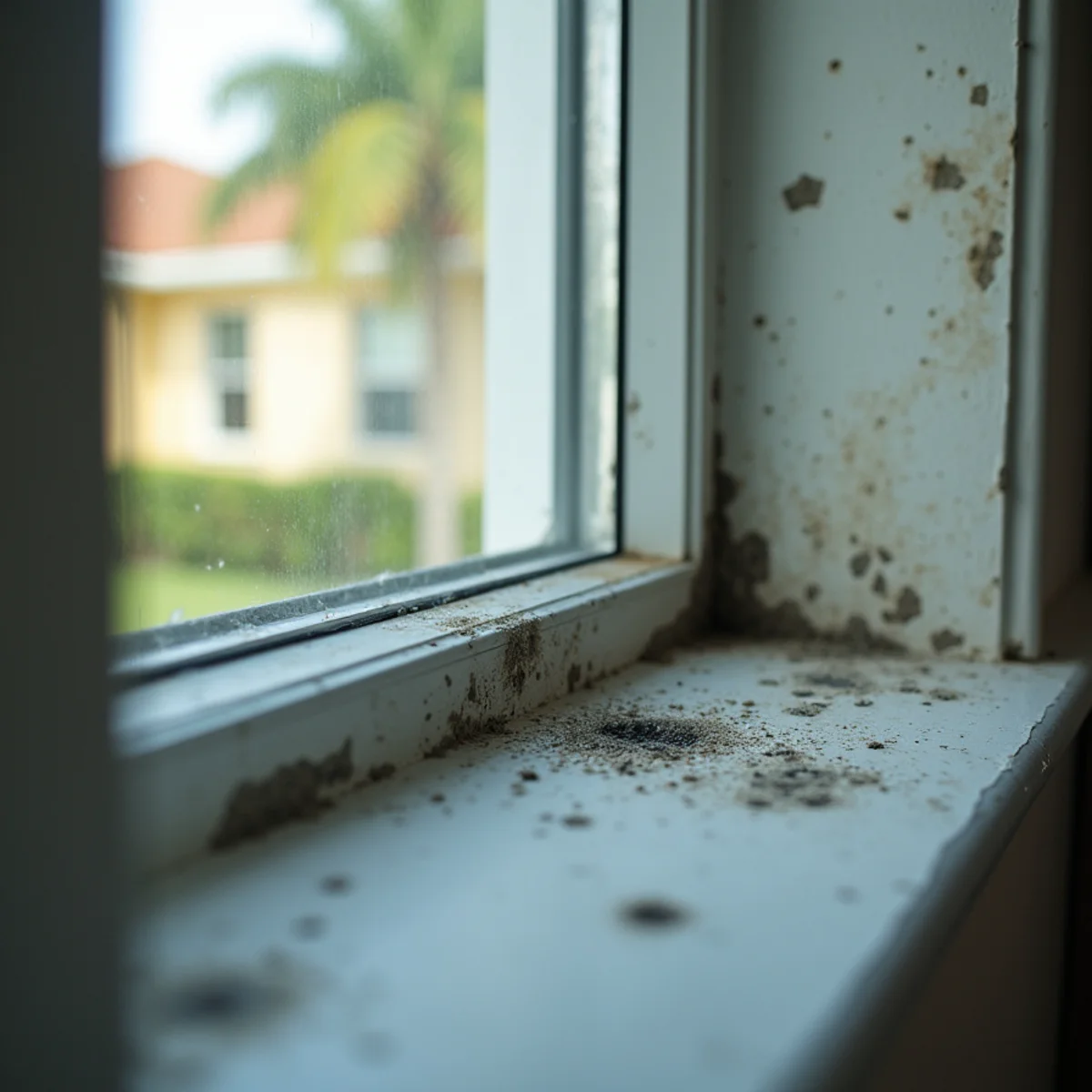
- Visible spotting or staining you want characterized
- Condensation on walls, windows, or supply vents
- Buying or selling a property and wanting its true condition
When You Need a Mold Inspection
A mold inspection makes sense when there is a persistent musty odor, visible growth you want to understand, a history of leaks or flooding, unexplained discomfort that eases when you leave the space, or a real-estate transaction where you want to know a property's condition.
In Miami's climate, mold rarely announces itself neatly. Because concrete block, tile, and cabinets hide moisture, a stain in one room can trace back to a source somewhere else entirely. The inspection connects the symptom to the source.
Inspection Is About Moisture First
Mold is a moisture problem before it is a mold problem. A credible inspection focuses on finding where water is or has been, because correcting the moisture is what ultimately controls the growth. We compare readings in affected and unaffected areas rather than relying on a single surface check.
- Visual assessment of visible growth, staining, and water history
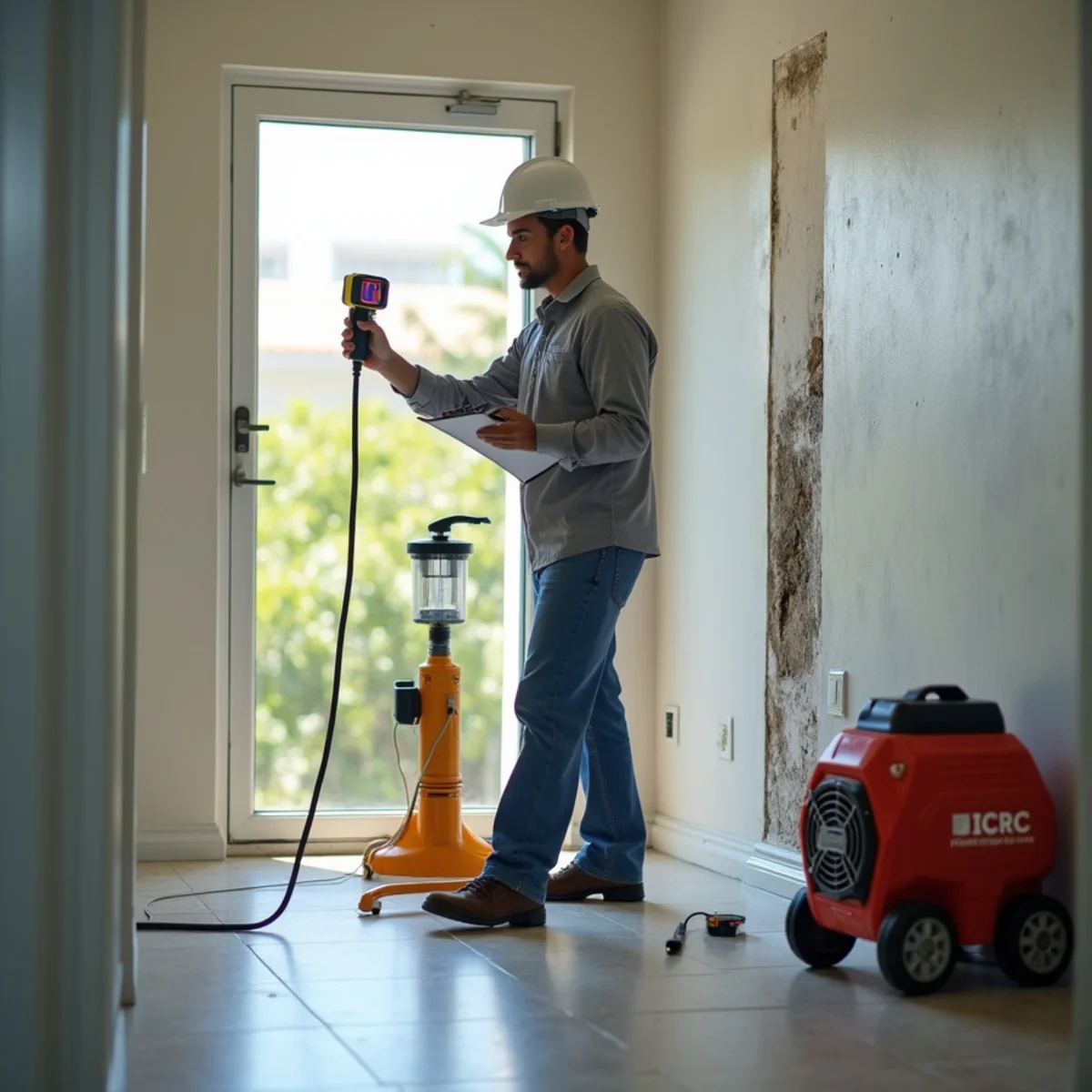
- Moisture meter readings across suspect and control areas
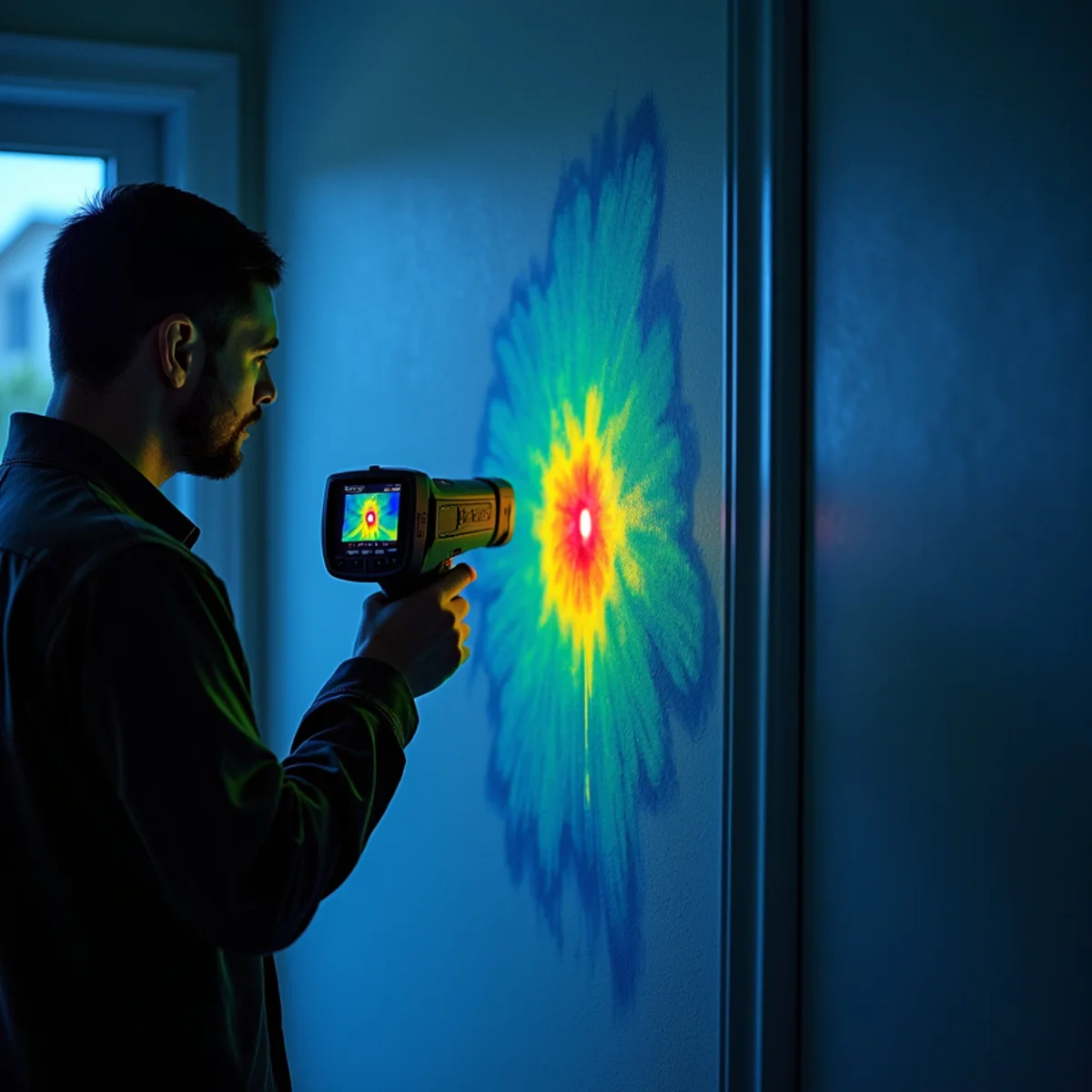
- Thermal imaging to reveal temperature patterns that suggest moisture
- Identification of porous, semi-porous, and nonporous affected materials
- Evaluation of humidity and conditions that feed growth
Our Mold Inspection Process
- 1
Interview and history
We start by understanding the symptoms, any leaks or flooding, odor patterns, and the areas of concern so the inspection is targeted.
- 2
Visual and moisture assessment
We inspect visible growth and staining, then map moisture with meters and thermal imaging, checking transitions at slab edges, cabinets, and shared walls.
- 3
Testing when appropriate
When testing adds value, samples can help characterize the situation. We explain what testing can and cannot tell you before recommending it.
- 4
Findings and scope
We document what we found, where the moisture is, and the likely extent, then define a clear scope so remediation, if needed, is based on evidence.
- 5
Recommendations and next steps
We explain whether the situation calls for moisture correction, remediation, or monitoring, and how that work should be verified.
What Testing Can and Cannot Tell You
Testing can help characterize a situation, but color and spore counts do not, by themselves, diagnose a health effect, and we are not a medical provider. What matters for the property is whether there is a moisture problem and mold growth that should be contained, removed, and corrected.
An honest inspection avoids overselling. If a musty smell traces to a simple, correctable moisture source, we say so. If there is a larger hidden problem, the inspection defines it so the remediation scope is right-sized rather than guessed.
Why Local Knowledge Matters in an Inspection
Inspecting for mold and moisture in Miami is not the same as inspecting a dry-climate home. South Florida's block-and-slab construction, tile assemblies, and near-constant humidity create hiding places and false readings that only experience interprets correctly.
We know where water tends to travel in local homes, which materials mislead a quick surface check, and how ambient humidity skews a reading. That context is what turns raw meter numbers into an accurate picture of your property.
Why Choose Ultra Mold for Mold Inspection
A good inspection is honest first. Because we also perform remediation, we know exactly what a scope should and should not include, and we would rather tell you a musty smell traces to a simple, correctable source than sell you work you do not need. You get evidence, not alarm.
- Free inspection with a moisture and water-category assessment
- Moisture meters and thermal imaging, not a guess behind the drywall
- Licensed Florida mold remediator who can define an accurate scope
- Straight answers about what testing can and cannot tell you
- Documentation you can use for decisions, a sale, or a claim
Mold Inspection Across South Florida
We inspect homes and condos throughout Miami-Dade and Broward, including Coral Gables, Aventura, and Kendall in Miami-Dade, and Plantation, Sunrise, and the beaches around Miami Beach.
Inspecting for moisture in South Florida is not the same as inspecting a dry-climate home. Block-and-slab construction, tile assemblies, and near-constant humidity create hiding places and misleading surface readings that only local experience interprets correctly, which is why neighborhood familiarity changes the quality of an inspection.
We inspect for a range of reasons: a persistent odor with no visible source, a history of leaks or flooding, a real-estate transaction where you want the property's true condition, or a follow-up to confirm past work held. In each case the deliverable is the same, a clear picture of the moisture and any growth and a right-sized recommendation. We would rather find nothing and tell you so than manufacture a problem, because our reputation across these neighborhoods depends on being straight with our neighbors.
What affects the cost
Every loss is different. These are the factors that shape your estimate — we confirm the scope during your free inspection, and the figures below are planning ranges, not a quote.
- Size of the property and number of areas of concern
- Extent of moisture mapping and thermal imaging required
- Whether laboratory testing is included
- Accessibility of suspect areas behind cabinets or in chases
- Depth of documentation and reporting requested
- Whether the inspection is tied to an active loss or a transaction
Need help right now?
Certified crews, 24/7, across South Florida.
Frequently asked questions
We offer a free inspection to assess the situation and moisture conditions. If specialized laboratory testing is warranted, we explain what it adds and any associated cost before proceeding.
Not always. The most important task is finding the moisture and the extent of growth. Testing can help characterize a situation in some cases, but it is not a substitute for locating and correcting the moisture source.
Yes. Using moisture meters and thermal imaging, we look for the hidden moisture that feeds concealed growth behind walls, above ceilings, and under cabinets, then compare affected and unaffected areas to define the scope.
It can be worthwhile, especially given South Florida humidity and the prevalence of past leaks. An inspection tells you whether there is a moisture problem and helps you make an informed decision.
You get a clear picture of whether there is a moisture problem, where it is, and how far it extends, along with our recommendation: monitoring, moisture correction, or remediation, and how that work should be verified. If testing was included, we explain what the results do and do not indicate.