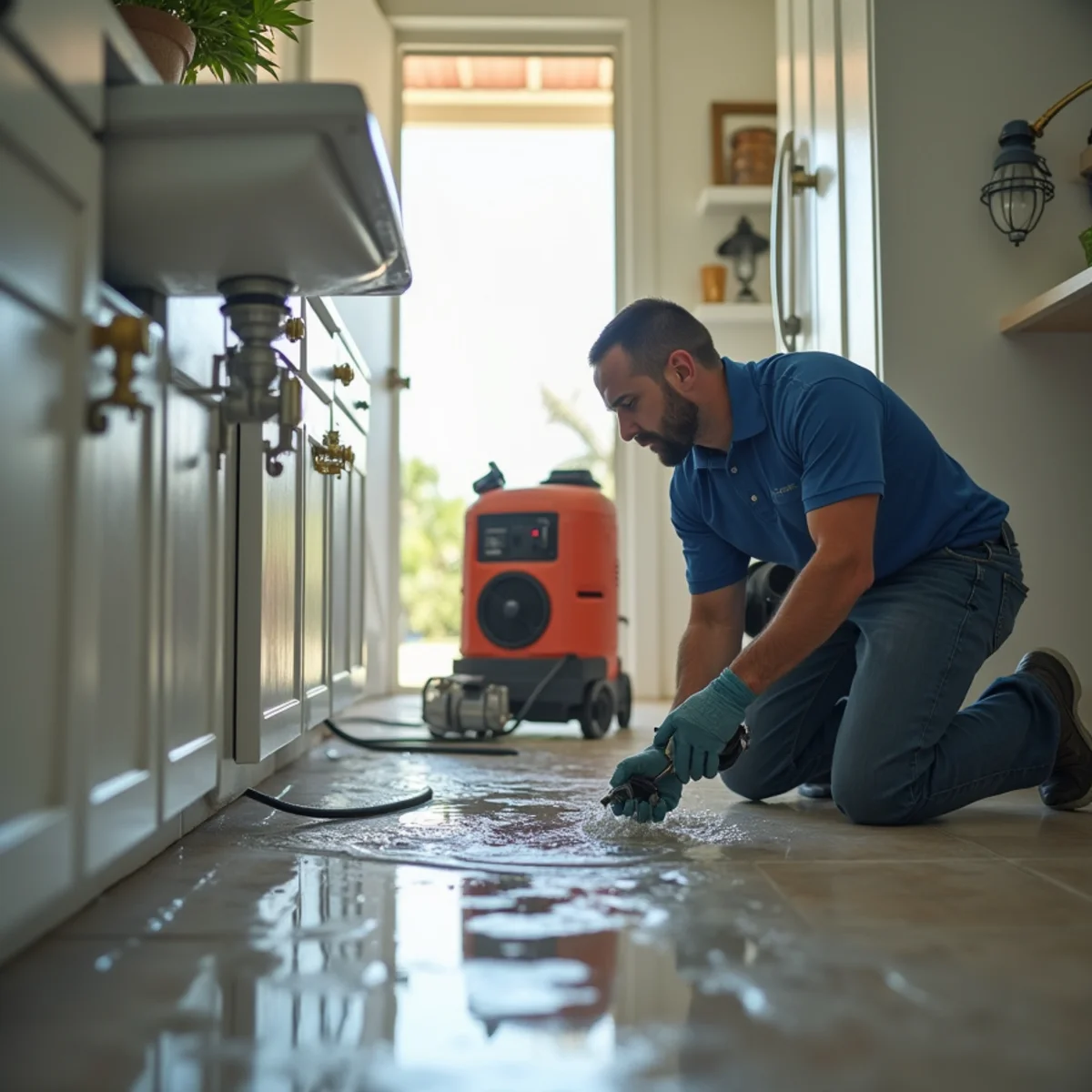
A Burst Pipe Is a Race Against Gallons Per Minute
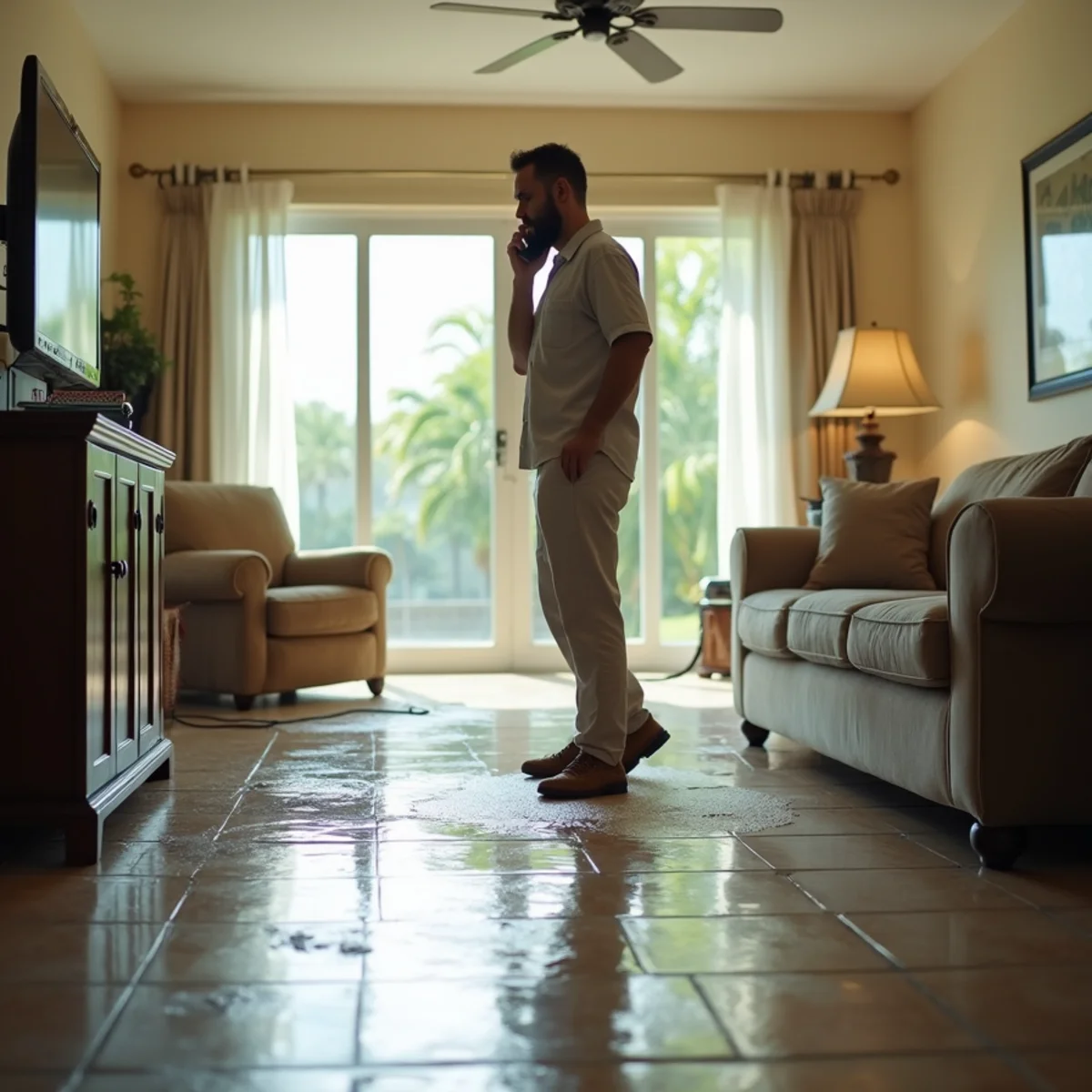
A failed supply line does not trickle. A half-inch line under pressure can push out several gallons a minute, which means a pipe that lets go while you are at work can put an inch of water across a floor before you get home. The good news is that a burst pipe is almost always Category 1 water from a clean, sanitary source, so if you act fast, most of the structure can be dried and saved rather than torn out.
The single most valuable thing you can do is know where your main shutoff is before you ever need it. If you are reading this in the middle of an active leak, the first section below is the only one that matters right now.
Shut Off the Water Immediately
- 1
Find the fixture valve first
If the leak is at a toilet, sink, or water heater, look for the small oval or lever valve on the supply line and turn it clockwise until it stops. This isolates the problem without cutting water to the whole house.
- 2
Go to the main shutoff if needed
For a pipe inside a wall or ceiling, shut the main. In most South Florida homes it is near the water meter at the street or where the line enters the house, often in a garage or exterior wall.
- 3
Open a low faucet to relieve pressure
After shutting the main, open a faucet on the lowest level to drain the lines and stop the spray faster.
- 4
Note the time it stopped
Once the flow stops, note roughly how long the pipe was leaking. That timeline helps both your plumber and your insurer gauge how much water entered and how far it likely spread.
Cut Power to Wet Areas
If water is near outlets, light fixtures, or your panel, shut off power to those circuits before you step into the water. Never touch the breaker panel with wet hands or while standing in water. If you cannot reach it safely, call your utility. This is the one step where waiting for a professional is always the right choice.
Contain and Document
Grab towels, buckets, and a wet/dry vacuum to slow the spread while you photograph everything. Capture the failed pipe, the water line on walls and cabinets, and any soaked belongings. This documentation drives your claim, and our insurance claims specialists can work directly with your adjuster once a crew is on site. Move furniture and electronics out of the water and lift what you can onto dry ground.
Burst pipes are especially common in older neighborhoods across Hialeah, where decades-old galvanized and copper lines corrode from the inside. If your home has original plumbing, a single failure is often a sign the rest of the system is aging too.
It also helps to know the common failure points so you can react faster next time. Supply lines to toilets, dishwashers, ice makers, and washing machines are frequent culprits, because their small-diameter hoses sit under constant pressure and are easy to forget. Water heaters that are more than a decade old, pipes in unconditioned spaces, and connections that were never quite tight are others. Photographing the failed component and its location before anything is moved not only helps your claim, it helps a plumber diagnose whether the failure was isolated or a symptom of a system due for replacement.
Why Fast Extraction Beats a Mop and a Fan
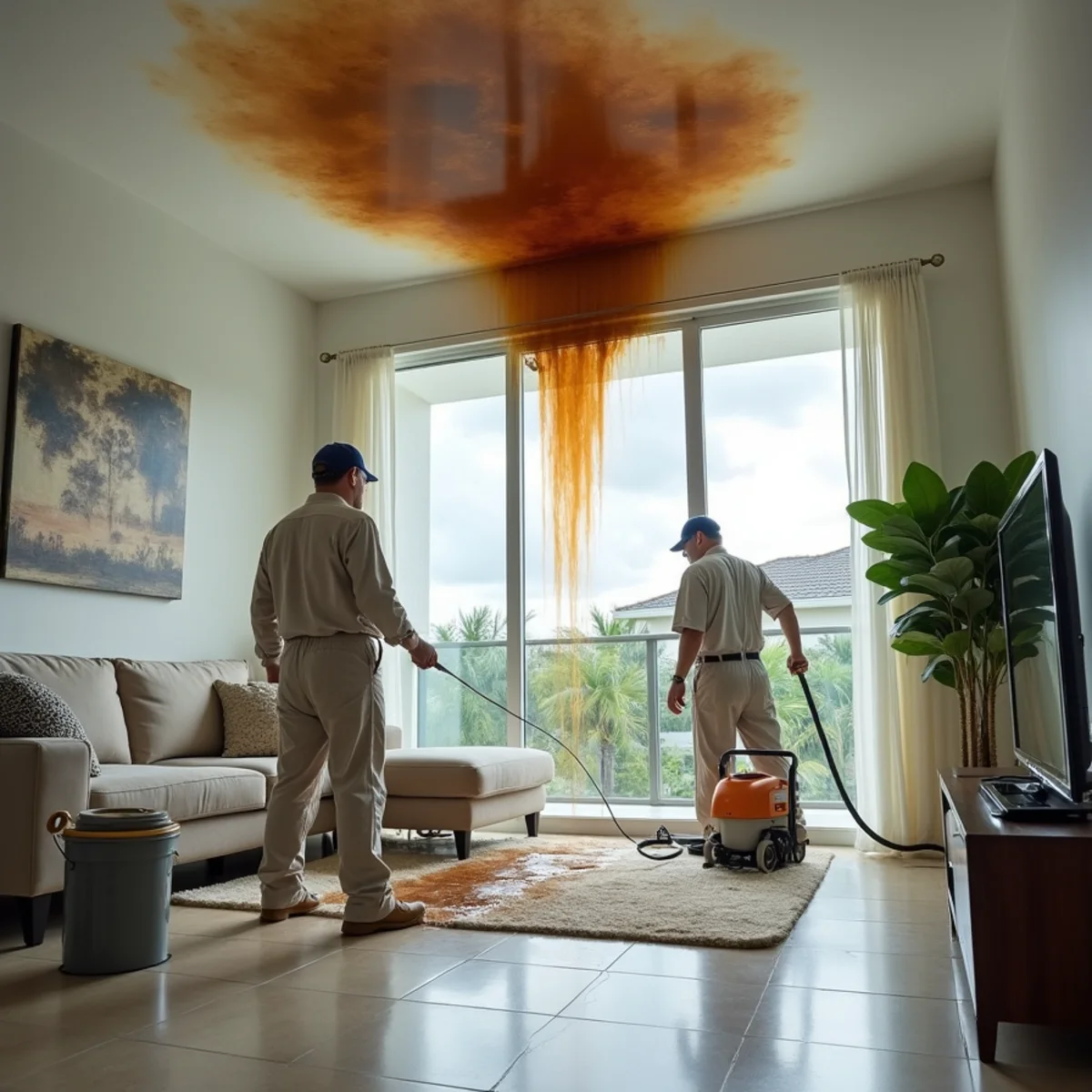
Water from a burst pipe does not stay where you can see it. It runs under baseboards, wicks up drywall, and pools inside wall cavities and under cabinets. A mop dries the surface, but the structure behind it stays wet, and in our climate that trapped moisture becomes a mold problem within a couple of days. Professional burst pipe water cleanup pairs high-volume extraction with moisture mapping so we know exactly where the water went, then places air movers and dehumidifiers to dry the structure from the inside out.
Because burst-pipe water is clean, aggressive early drying often lets us save drywall, cabinetry, and flooring that would otherwise be demolished. Every hour of delay shifts the balance toward tear-out, which costs more and takes longer.
When to Call for Help
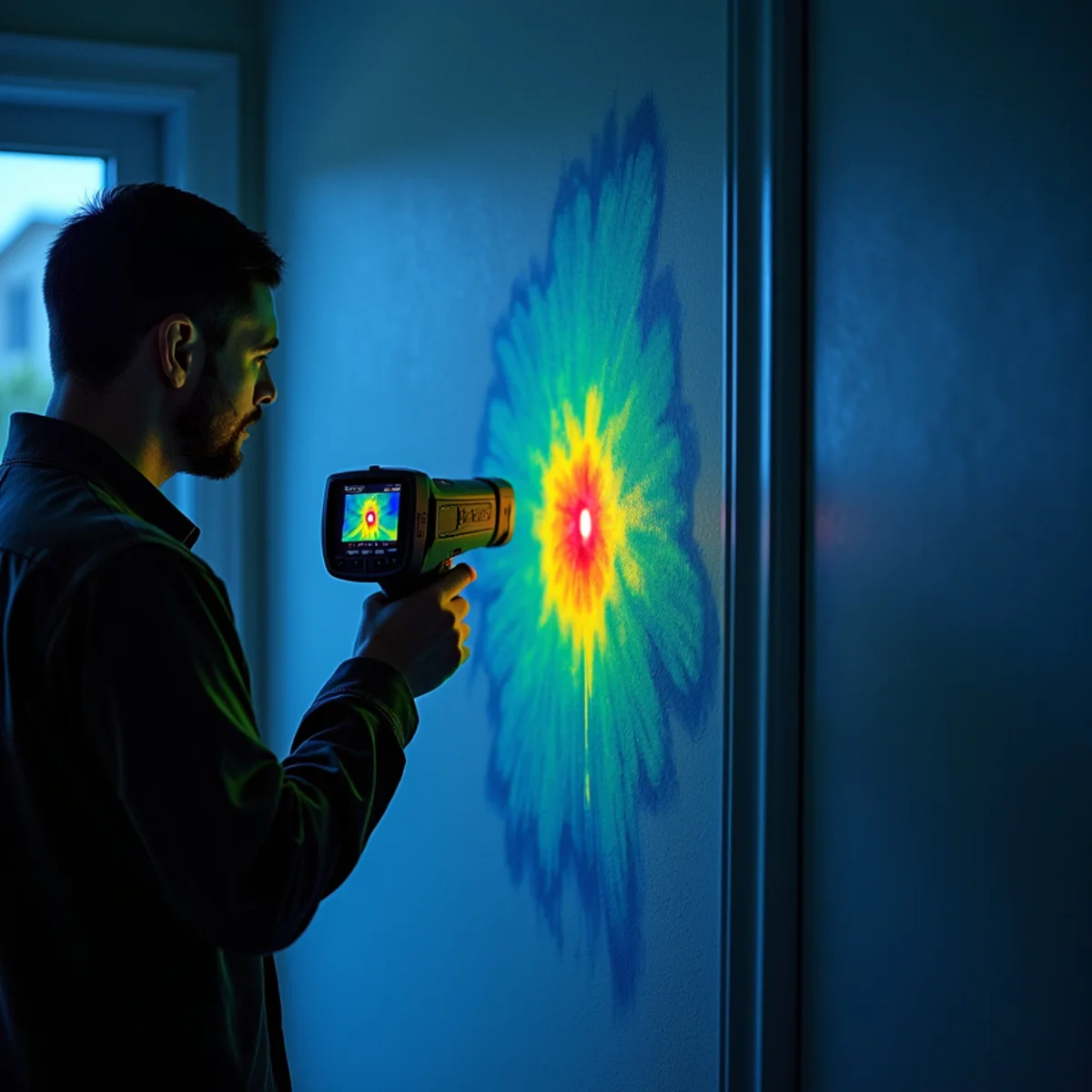
If the leak soaked more than a small area, reached a second material like a wall or ceiling, or you smell anything musty, bring in a professional assessment. Our moisture meters and thermal cameras find water you cannot see, and catching it early is what keeps a burst pipe from turning into a mold remediation project.
Ultra Mold Water Restoration is available 24/7 across South Florida with certified crews and truck-mounted extraction. If a pipe just let go, call (866) 688-0301 and we will guide you through shutting it down while we roll a team to your door.
Dealing with this right now?
Ultra Mold responds 24/7 across South Florida.
Frequently asked questions
A pressurized half-inch supply line can release several gallons per minute, so a pipe that fails while you are away can flood an entire room. Shutting off the main quickly is the most effective way to limit the damage.
Water from a clean supply line is Category 1, meaning it is sanitary at the source. It becomes riskier the longer it sits and as it contacts contaminated materials, which is another reason fast extraction matters.
Often yes, if drying begins quickly. When clean water is extracted and the wall cavity is dried within the first day or two, we can frequently dry drywall in place rather than removing it.
Sudden and accidental pipe failures are commonly covered by homeowners policies, unlike gradual leaks or flooding from outside. Your carrier decides, so document the scene and report the loss promptly.