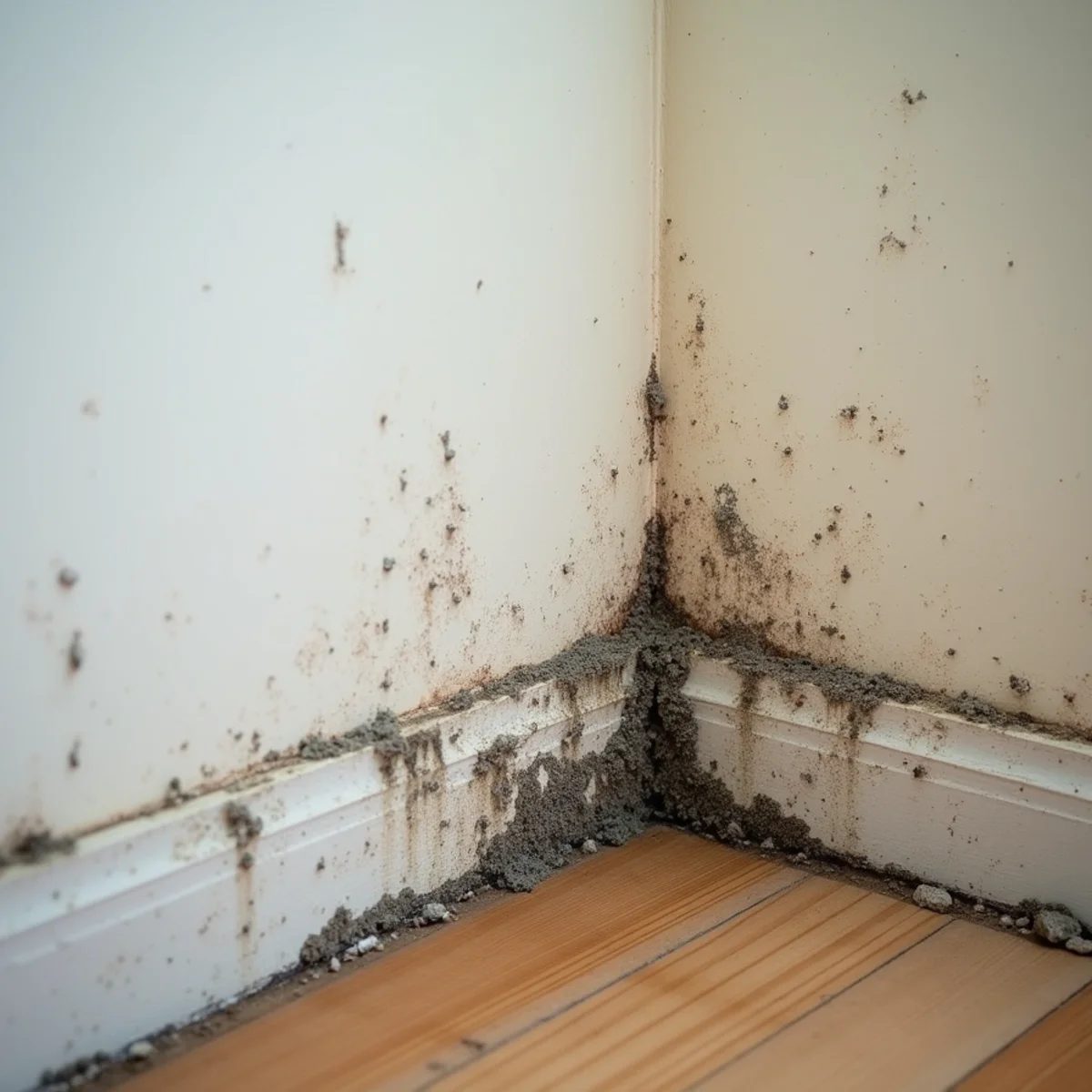
The 24 to 48 Hour Window
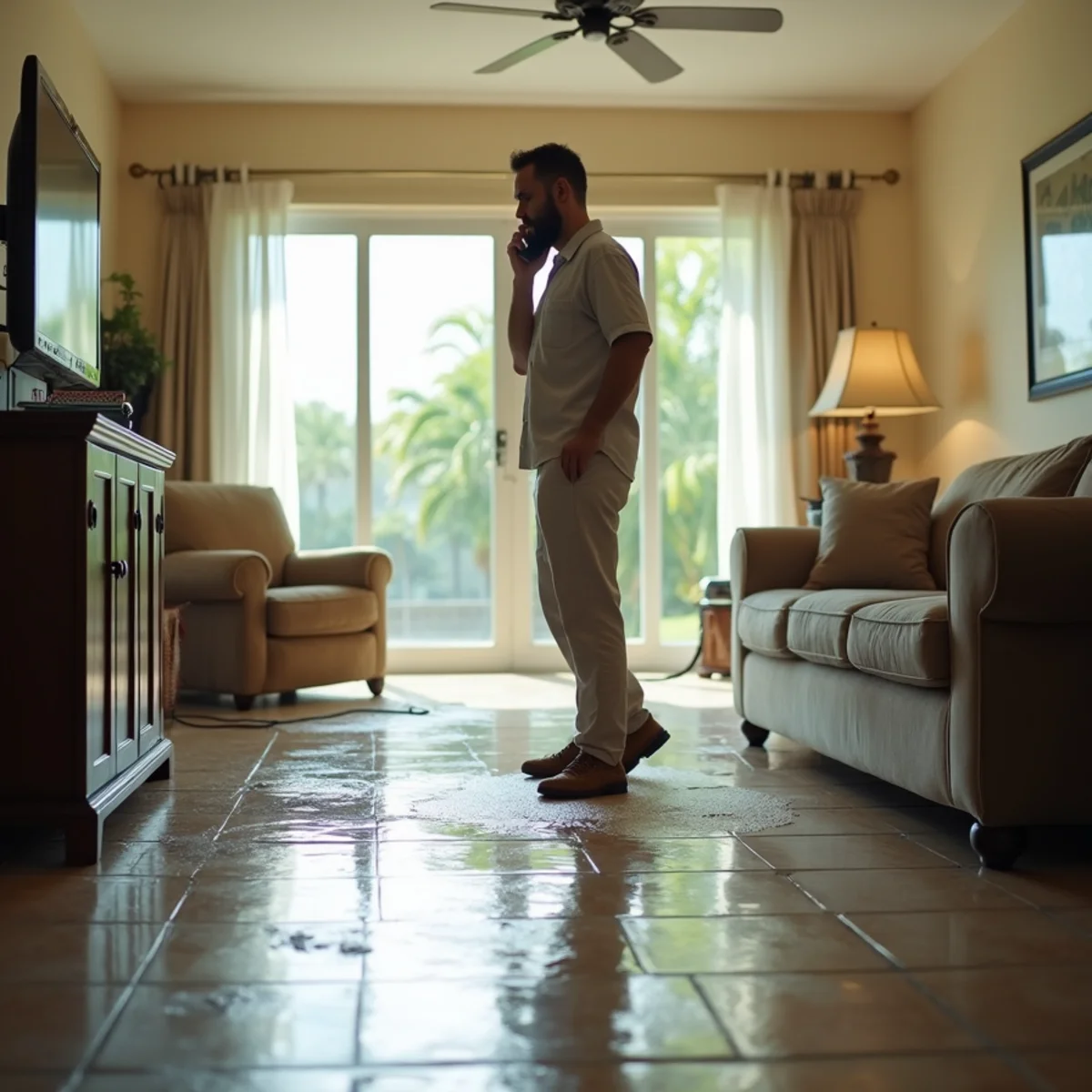
The most important number in water damage is not the amount of water; it is the amount of time. Mold can begin growing on wet materials within 24 to 48 hours, and the EPA advises drying wet areas within that same window for exactly this reason. In Florida, where warmth and humidity are the norm, mold often moves toward the fast end of that range. That is why restoration professionals treat water damage as an emergency rather than a chore that can wait for the weekend.
Understanding this timeline changes how you respond. It reframes drying from a cleanup step into a race, and it explains why a quick, aggressive response so often means the difference between drying a room and rebuilding it.
It also explains why restoration companies talk about response time the way emergency services do. The value of arriving within hours rather than days is not marketing; it is the direct consequence of the biology. Every hour that materials stay wet is an hour closer to colonization, so a company's ability to show up fast, at night, on a weekend, or during a holiday, translates directly into how much of your home can be saved.
What Mold Needs, and Why Florida Provides It
Mold requires four things: spores, which are always present in the air; a food source, which includes drywall paper, wood, dust, and fabric; the right temperature, roughly the same range that feels comfortable to us; and moisture. In a South Florida home after a water event, three of those four are guaranteed, and the water event supplies the fourth. Our climate keeps indoor humidity naturally high, and the EPA's recommendation to stay below 60 percent is harder to maintain here than almost anywhere else. That baseline dampness means mold has less distance to travel from dormant to active.
The type of material that got wet also changes the speed. Paper-faced drywall, cardboard, ceiling tiles, and natural fabrics are cellulose-rich and act like a buffet for mold, so they can show growth on the faster end of the window. Denser or non-porous materials like sealed concrete, glass, and metal resist growth longer, though mold can still colonize the dust and organic film on their surfaces. Knowing which materials in a wet room are most vulnerable helps prioritize what to dry or remove first when time is short.
A Realistic Timeline After Water Damage
- 1
Hours 0 to 24
Materials absorb water. Spores present in the environment settle onto wet surfaces and begin to activate. No visible growth yet, but the process has started.
- 2
Hours 24 to 48
Under Florida conditions, mold can begin to colonize and spread across damp surfaces. This is the window in which fast drying still prevents most growth.
- 3
Days 3 to 7
Visible mold often appears, and it may already be growing inside wall cavities and under flooring. Musty odors become noticeable.
- 4
Beyond one week
Growth spreads and penetrates materials, frequently requiring removal and full remediation rather than simple drying.
Why Surface Drying Is Not Enough
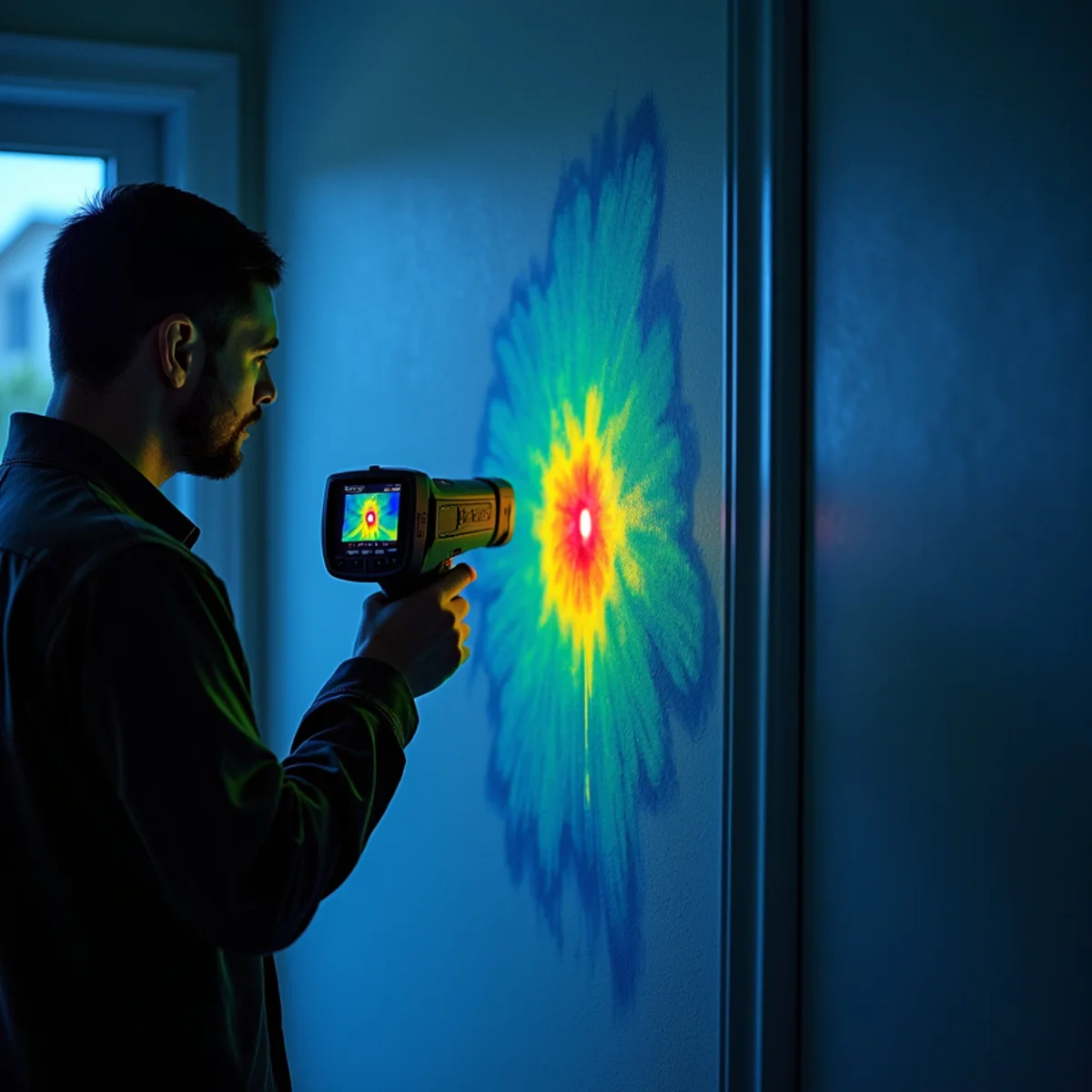
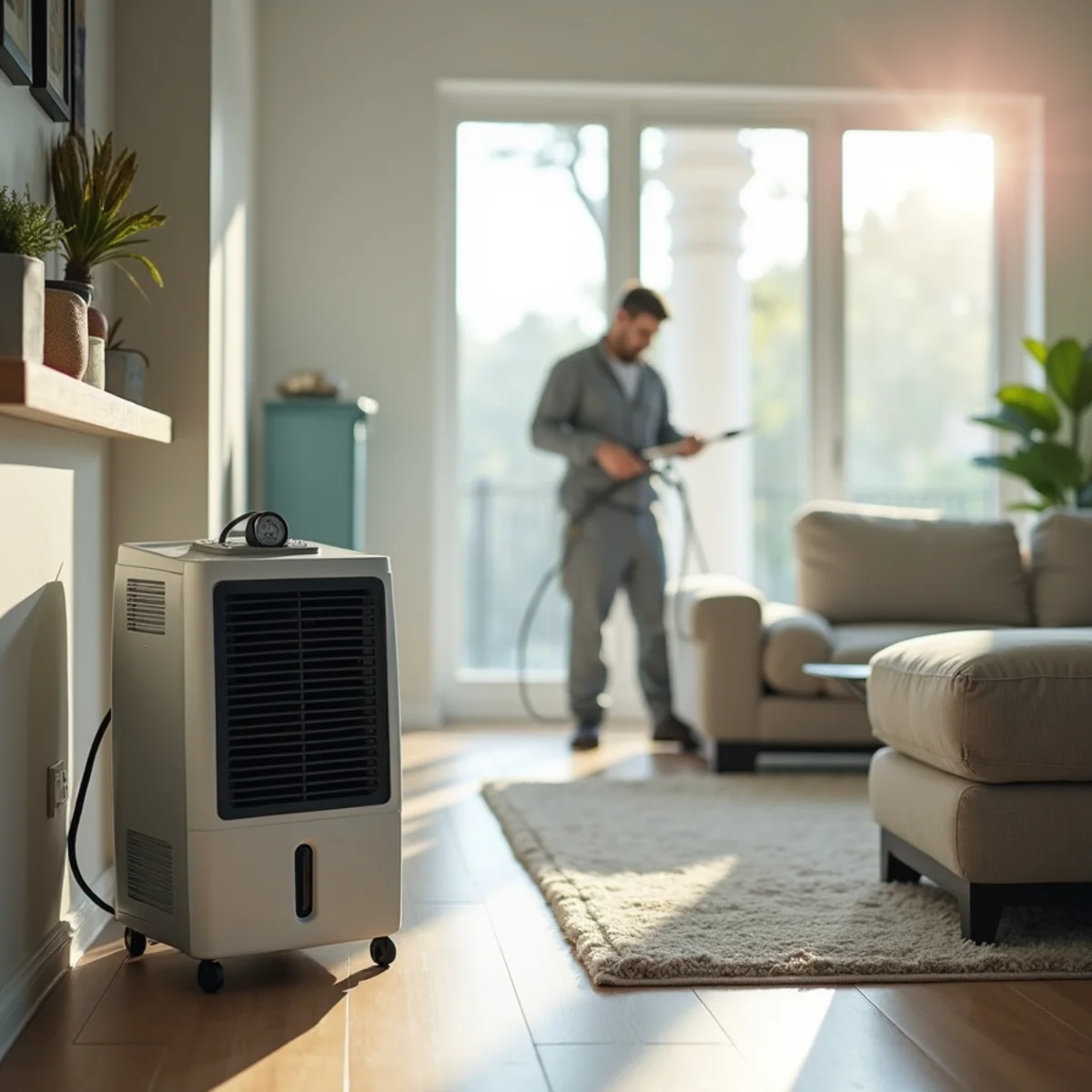
A common and costly mistake is assuming that because the floor feels dry, the problem is solved. Water wicks into drywall, subfloor, and framing, and those materials can stay wet inside long after the surface looks fine. That trapped moisture is what feeds mold in the days after a leak. Professional water damage restoration uses moisture meters to confirm materials are dry to their core, not just to the touch, and places air movers and dehumidifiers to reach the moisture household fans never will. Homes near the coast in Miami Beach face the added challenge of salt air and constant humidity, which slow natural drying even further.
There is a reason professionals set drying goals to a measured standard rather than to the eye. A moisture meter compares the reading in a wet area to a dry reference elsewhere in the home, and the target is to bring the affected materials back to that normal baseline. Simply feeling that a surface is no longer wet tells you nothing about the moisture content two layers deep. This is also why a proper job includes daily monitoring: drying is not a single event but a process that has to be verified over several days before anyone declares it finished.
Beating the Clock
Because the window is so short, the response has to be fast. Extracting standing water immediately, running professional drying equipment, and verifying moisture levels within the first day is what keeps water damage from becoming mold remediation. If mold has already appeared, our mold remediation team contains and removes it safely, but the goal is always to get ahead of it in the first place.
Ultra Mold Water Restoration responds around the clock across South Florida precisely because mold does not wait. If your home has taken on water, call (866) 688-0301 now and we will start drying before mold gets its 48 hours.
Dealing with this right now?
Ultra Mold responds 24/7 across South Florida.
Frequently asked questions
Mold can begin growing within 24 to 48 hours on wet materials, and in Florida's warmth and humidity it often moves quickly. The EPA advises drying wet areas within that same window to prevent growth.
Generally yes. High ambient humidity and warm temperatures give mold ideal conditions, so keeping indoor humidity below 60 percent takes active effort and drying must happen fast.
Not necessarily. Water wicks into drywall, subfloor, and framing that stay wet inside even when the surface feels dry. Moisture meters are needed to confirm materials are dry to the core.
Extract standing water immediately, run drying equipment, keep humidity below 60 percent, and have moisture levels verified within the first 24 hours. Speed is the single biggest factor in preventing mold.