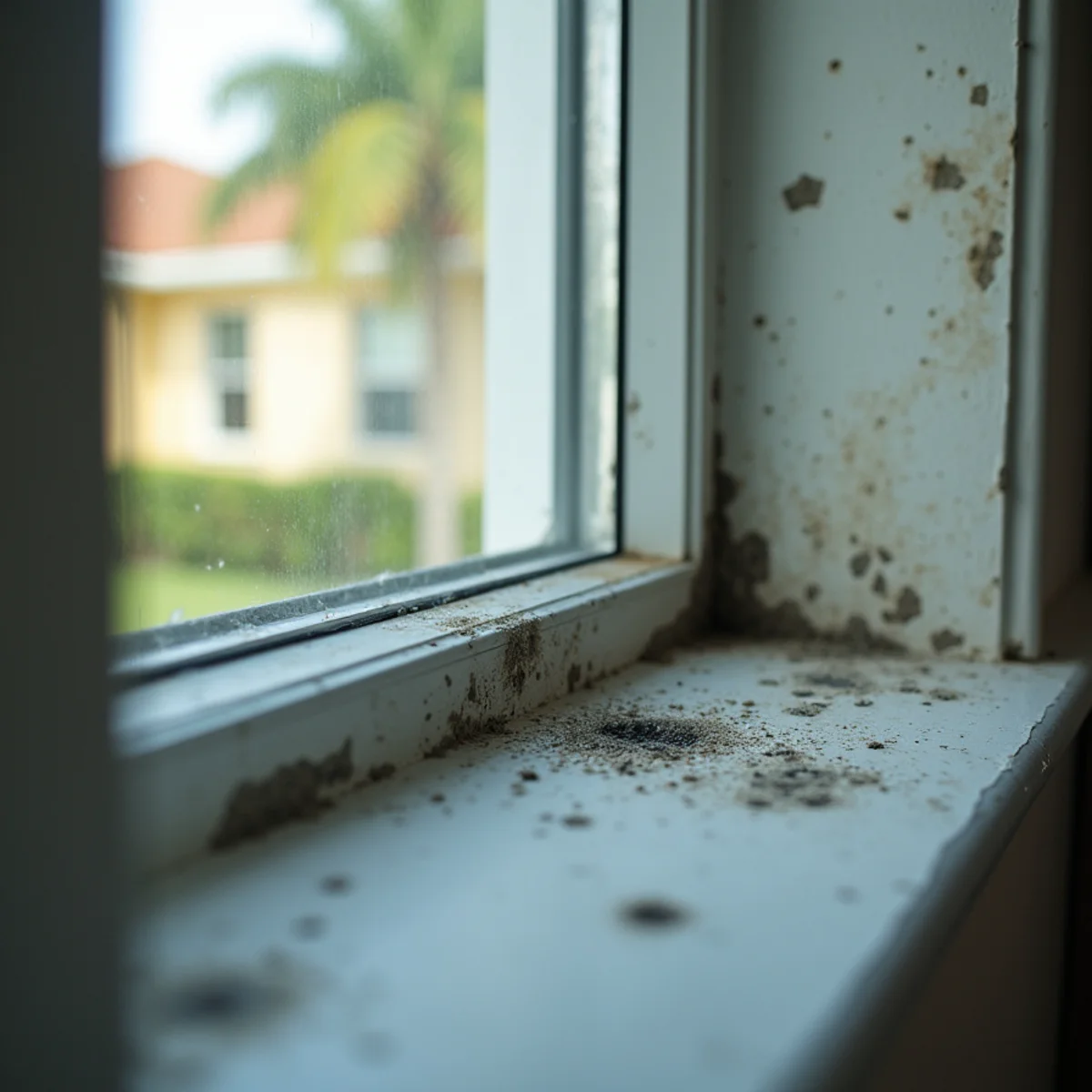
Clean Does Not Mean Dry
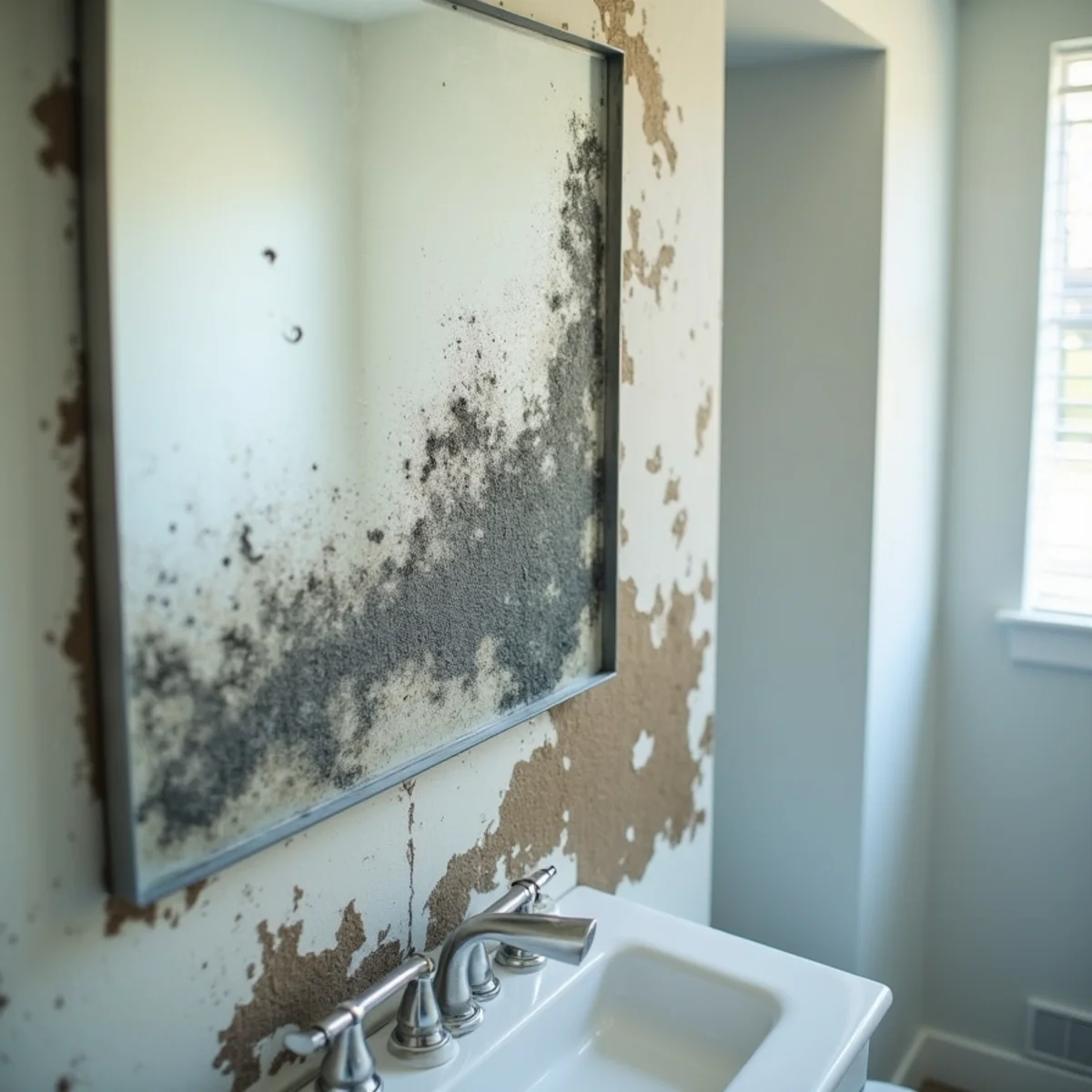
One of the most frustrating things a homeowner can experience is scrubbing away mold, keeping the house immaculate, and watching it come right back. The reason is simple but counterintuitive: mold does not grow because a home is dirty. It grows because it is damp. Mold spores are everywhere, indoors and out, and they need only moisture and a food source to colonize. In Miami, we supply both in abundance, which is why even meticulously clean homes battle recurring growth.
If mold keeps returning to the same spot, that spot is telling you something. It is a moisture map, pointing to a leak, a humidity problem, or a ventilation gap you have not found yet.
This reframing is important because it changes what success looks like. The goal is not a house so clean that mold cannot survive, which is impossible in our climate, but a house dry enough that mold cannot get established. Once you accept that mold is a moisture problem wearing a cleanliness disguise, the recurring growth stops being a mystery and becomes a clue you can actually follow to its source.
Miami's Climate Is Working Against You
South Florida's air is heavy with moisture nearly year-round, and our rainy season from May through October pushes outdoor humidity even higher, with normal rainfall near 45 inches. The EPA recommends keeping indoor humidity below 60 percent, but in Miami that requires active effort, not just an air conditioner set to a comfortable temperature. An AC that cools without adequately dehumidifying can leave your home cool and clammy, which is exactly the environment mold prefers. Homes in shaded, densely landscaped areas of Kendall stay damp longer after rain, compounding the problem.
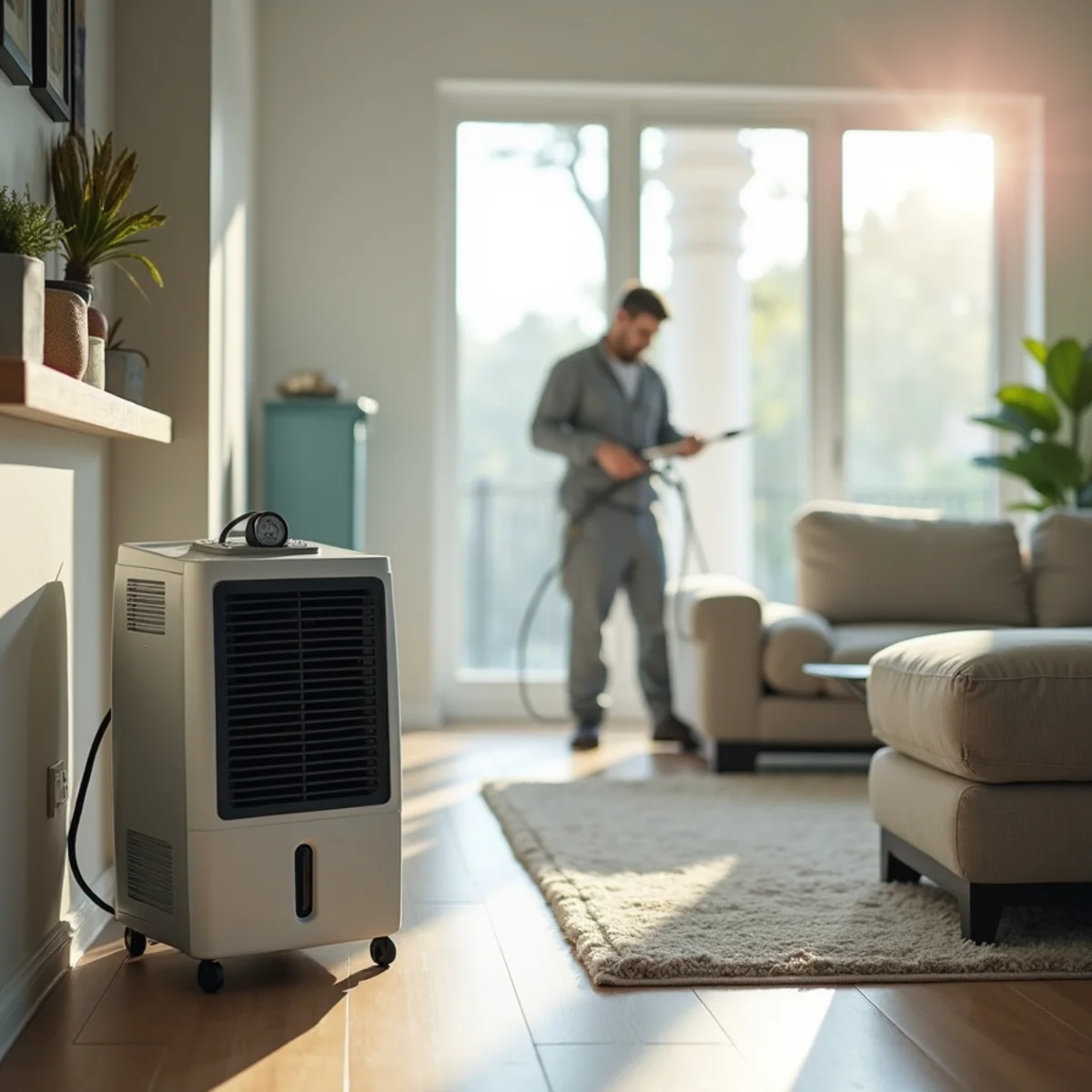
There is also a behavioral trap unique to our climate. When people leave for a trip, they often set the thermostat high or turn the AC off to save money. In most of the country that is harmless, but in Miami it lets humidity climb unchecked for days, and homeowners return to a musty house and fresh mold on closet walls and leather furniture. If you travel during the summer, leaving the AC running at a moderate setting, or better, running a dehumidifier, is one of the cheapest forms of mold insurance there is.
The Usual Hidden Culprits
- Oversized or poorly maintained AC that cools the air but leaves humidity high.
- Clogged AC condensate drain lines that overflow and wet nearby materials.
- Slow plumbing leaks behind walls, under sinks, or beneath slabs.
- Bathrooms and kitchens without working exhaust fans, trapping steam.
- Roof or window leaks that stay hidden until staining appears.
- Furniture pushed tight against exterior walls, blocking airflow and trapping condensation.
Your Air Conditioner Might Be the Problem
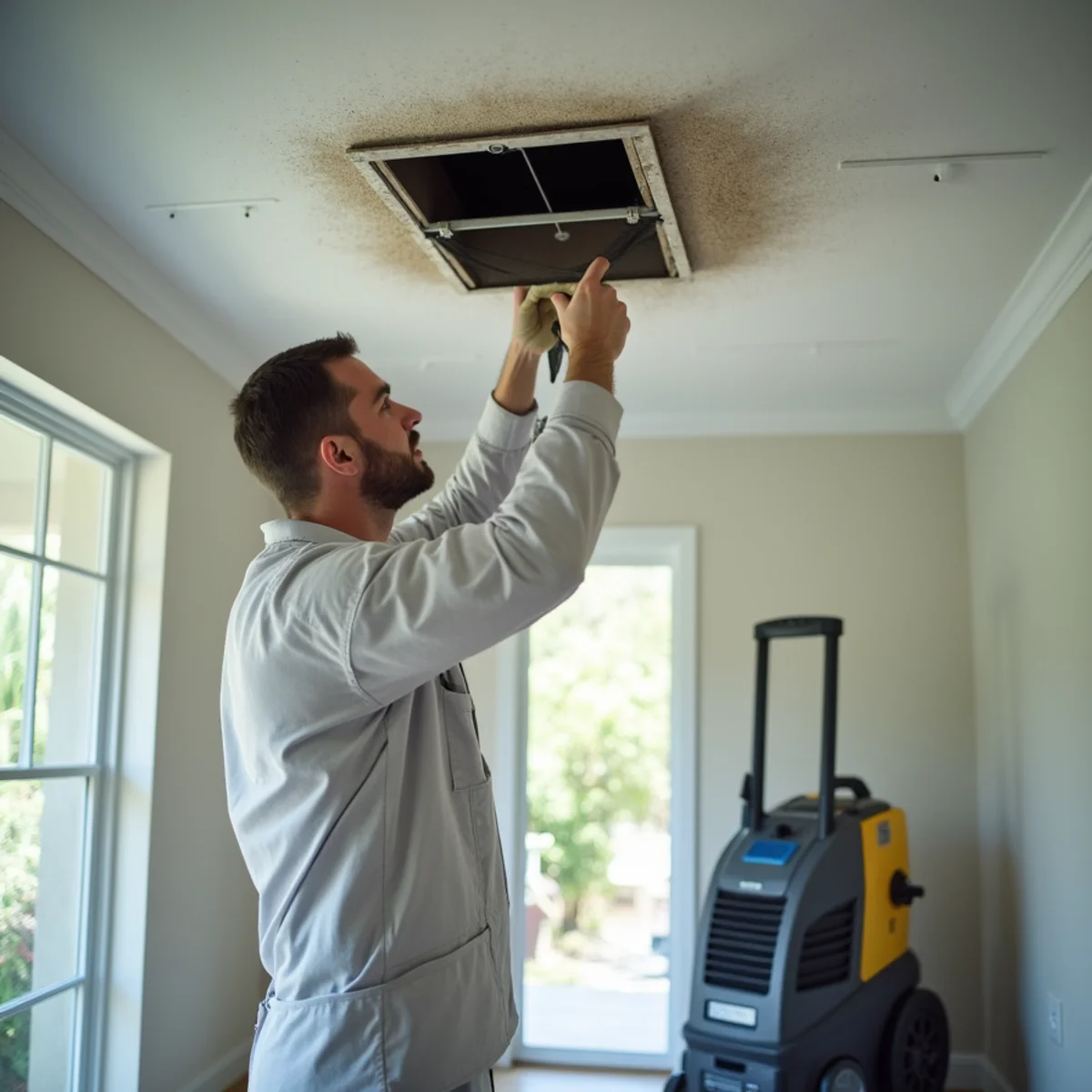
In Miami, the HVAC system is your primary defense against humidity, and it is also a common source of mold. When ductwork sweats, when the drain pan overflows, or when the system is short-cycling and never runs long enough to pull moisture from the air, mold finds a home inside the equipment and spreads spores through every room when the fan runs. If you notice a musty smell that intensifies when the AC kicks on, the ducts are a prime suspect. Our air duct and odor cleaning service addresses mold and buildup inside the system that surface cleaning can never reach.
Finding the Source Instead of Fighting the Symptom
Recurring mold calls for detective work, not just harder scrubbing. Moisture meters and thermal imaging reveal damp spots inside walls and ceilings that look perfectly dry, and tracing a stain to its origin often uncovers a leak nobody knew about. Once the source is identified and repaired, our mold remediation team removes the existing growth properly with containment and HEPA filtration, so it does not simply reseed the moment the humidity ticks up. Treating the visible mold without finding the water is the single most common reason homeowners end up on a cleaning treadmill.
A useful clue is the pattern of where mold appears. Growth concentrated on north-facing or exterior walls often points to condensation and poor insulation. Mold in closets and behind furniture usually means trapped, stagnant air. Recurring spots around windows suggest failing seals or condensation on the glass. And growth that follows a straight line across a ceiling frequently traces a pipe or duct run above. Reading these patterns turns a frustrating mystery into a solvable problem, because each one points toward a specific moisture source to address.
Breaking the Cycle for Good
The lasting fix combines three things: repairing the moisture source, controlling indoor humidity below 60 percent with proper AC operation and dehumidification, and improving ventilation in moisture-heavy rooms. Do those and the mold loses the conditions it needs. A one-time inspection that finds the true source is usually cheaper than years of repeated cleaning and the health frustration that comes with it.
Ultra Mold Water Restoration finds the source, not just the symptom, and we are available 24/7 across South Florida. If mold keeps coming back no matter how clean you keep your home, call (866) 688-0301 and we will track down why.
Dealing with this right now?
Ultra Mold responds 24/7 across South Florida.
Frequently asked questions
Mold grows because of moisture, not dirt. Spores are always present, so a clean but damp home, especially in humid Miami, still provides everything mold needs to colonize. Finding the moisture source is the real fix.
Yes. An AC that cools without dehumidifying, an overflowing condensate drain, or mold inside ductwork can spread spores throughout the home. A musty smell that worsens when the AC runs points to the system.
The EPA recommends keeping indoor humidity below 60 percent. In Miami this often requires active dehumidification and proper AC sizing and operation, not just a comfortable temperature setting.
Fix the moisture source, control humidity below 60 percent, and improve ventilation in bathrooms and kitchens. Remediating the existing mold without solving the moisture just resets the cycle.