Flooding Without a Cloud in the Sky
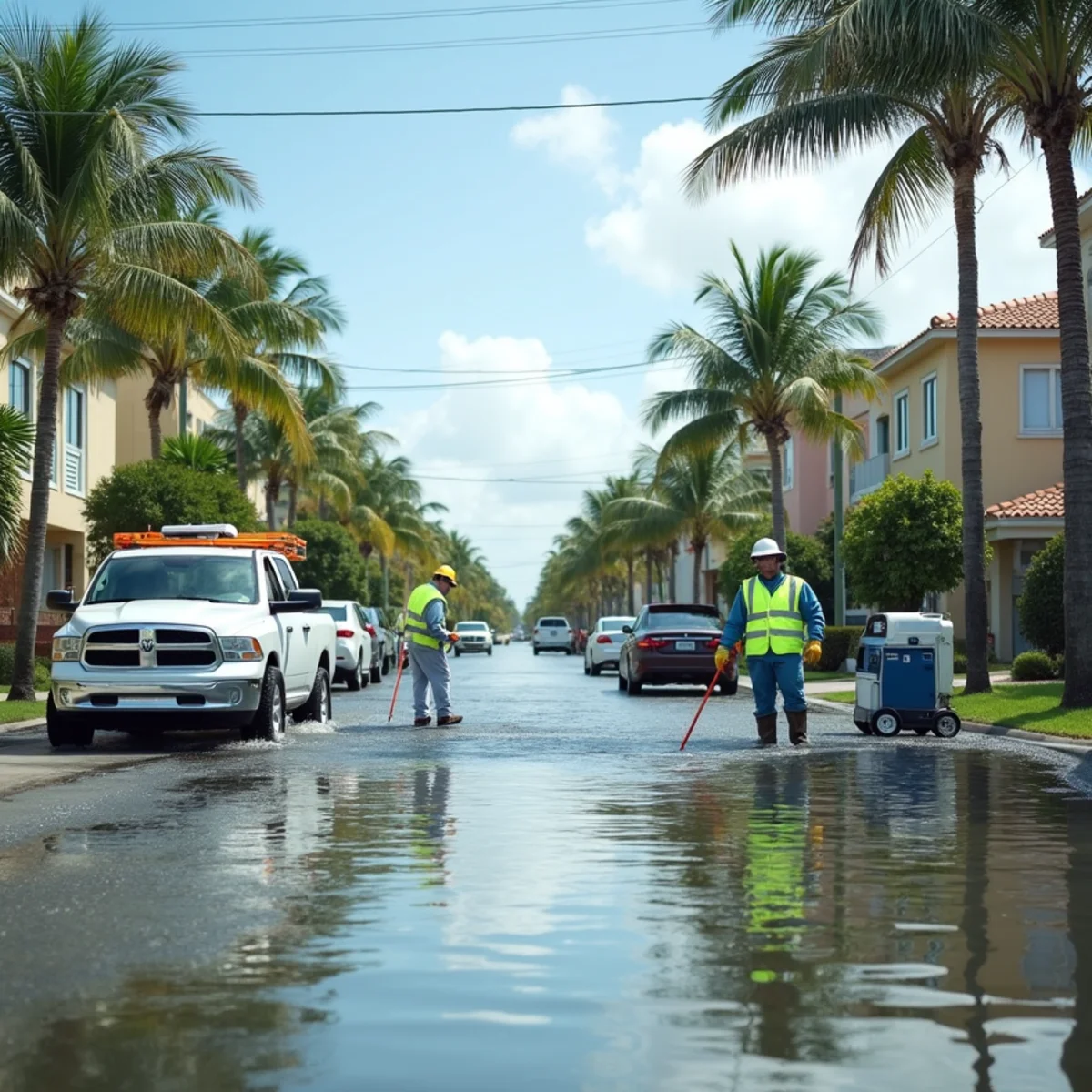
Newcomers to Miami are often baffled the first time they see seawater bubbling up through storm drains and pooling in the streets on a bright, rainless day. These are king tides, the highest tides of the year, and they are a distinctly South Florida phenomenon that catches many homeowners off guard. Unlike a hurricane, they arrive on a predictable schedule, but the water they push into low-lying neighborhoods is just as real and just as damaging.
Understanding king tides matters because they represent a type of flooding that standard storm prep does not fully address, and one that is becoming more frequent along our coast.
The predictability is both a blessing and a trap. Because king tides arrive on a known schedule rather than as a sudden emergency, it is easy to shrug them off as a nuisance, right up until the year a particularly high tide combines with heavy rain or an onshore wind and pushes water past the threshold of your garage or front door. Treating the forecast tide calendar as seriously as a storm forecast is what separates homeowners who stay dry from those who mop up saltwater every fall.
What Causes a King Tide
King tides occur when the gravitational pull of the sun and moon align, typically around new and full moons when the moon is closest to Earth. The result is an exceptionally high tide that, in flat, low-lying South Florida, can overwhelm drainage systems and send saltwater into streets, yards, garages, and ground-floor living spaces. They peak in the fall, often September through November, overlapping the tail of hurricane season. Coastal and low-elevation areas of Miami Beach see this regularly, and the city has invested heavily in pumps and raised roads in response.
What makes South Florida uniquely vulnerable is our geology. The region sits on porous limestone, which means water does not just come over the seawall; it pushes up from below through the ground and back through storm drains. Traditional flood defenses like levees are far less effective against water that rises from underneath. That is also why you can see flooding blocks away from the shoreline, in neighborhoods that feel like they should be safely inland. Understanding this helps explain why king tide flooding cannot always be blocked at the coast.
Why King Tide Flooding Is Uniquely Troublesome
King tide water is often saltwater or brackish, which is more corrosive and damaging than fresh rainwater. It rusts metal, degrades finishes, and leaves salt residue that continues to attract moisture and feed corrosion long after the water recedes. It is also classified as floodwater, meaning Category 3 contaminated water that can carry pollutants picked up from streets and storm systems. Because it comes up through drains and the ground rather than falling from above, it bypasses roof and window defenses entirely. Prompt emergency flood cleanup is important not just to remove the water but to rinse and neutralize salt before it does lasting harm.
The corrosion problem is easy to underestimate because it plays out over months, not hours. Salt that soaks into drywall, wood framing, and metal fasteners keeps drawing moisture from our humid air long after the visible water is gone, which is why a home that seemed to dry out fine can develop rust stains, swelling, and mold weeks later. Thorough fresh-water rinsing and proper drying are what stop that slow decay, and they are exactly the steps a quick DIY mop-up skips.
Protecting Your Home
- Check published king tide calendars so you know the high-risk dates in advance.
- Install flood barriers, door dams, or sandbags at garage and ground-floor entry points during peak tides.
- Ensure yard drainage and any sump systems are clear and functioning.
- Elevate valuables, electronics, and vehicles when significant tides are forecast.
- Confirm you carry flood insurance, since homeowners policies do not cover tidal flooding.
The Insurance Reality
This point deserves emphasis: damage from king tides and coastal flooding is not covered by standard homeowners insurance. It falls squarely under flood coverage, which must be purchased separately through the NFIP or a private insurer, and policies often carry a waiting period before they take effect. Homeowners in flood-prone coastal areas who assume their regular policy protects them frequently discover otherwise after the water is already inside. If tidal water reaches your home, our flood cleanup team can restore it, but whether it is a covered loss depends on having the right policy in place beforehand.
Respond Fast When the Tide Comes In
Because king tide water is contaminated and corrosive, the response should be quick and thorough. Extract the water, remove and dispose of unsalvageable porous materials, rinse away salt, sanitize, and dry the structure completely to prevent the mold that our humidity guarantees otherwise. This is not a job for a mop, given the contamination involved.
Ultra Mold Water Restoration understands South Florida's tidal flooding and responds 24/7 across the region. If a king tide has pushed water into your home, call (866) 688-0301 for fast, thorough flood cleanup.
Dealing with this right now?
Ultra Mold responds 24/7 across South Florida.
Frequently asked questions
King tides are the highest tides of the year, caused by the alignment of the sun and moon. In flat, low-lying South Florida they can flood streets and homes with seawater on clear, rainless days, peaking in the fall.
No. Tidal and coastal flooding is excluded from standard homeowners policies and requires separate flood insurance through the NFIP or a private insurer. New policies often have a waiting period, so buy well ahead.
Saltwater is corrosive and leaves salt residue that continues to attract moisture and feed corrosion after the water recedes. It is also floodwater, treated as contaminated Category 3, so cleanup must include rinsing and sanitizing.
Track king tide calendars, place flood barriers or sandbags at entry points, keep drainage clear, elevate valuables, and carry flood insurance. Acting before the peak tide is far more effective than reacting after.