Condo Water Damage Comes With Extra Complications
Water damage in a condominium is rarely as simple as it is in a single-family home. A leak in one unit can affect the units below and beside it, the line between what the association covers and what the owner covers is often blurry, and the building's structure is shared. On top of that, Miami's condo buildings face structural recertification requirements that make water intrusion a far more serious matter than a stained ceiling. For owners, boards, and property managers, understanding how these pieces fit together prevents small leaks from becoming expensive disputes.
This is one area where acting fast and documenting carefully is not just about your unit; it is about the building and everyone in it.
For that reason, communication is as important as the cleanup itself. A leak that originates in your unit but affects others creates obligations to notify the association and potentially your neighbors, and one that originates elsewhere means you may be relying on the association to act promptly. Knowing your building's reporting procedure before an emergency, and documenting the moment you discover a problem, protects you whether you turn out to be the source or the affected party.
Who Is Responsible: Unit vs. Association
The first question after a condo leak is always who pays, and the answer lives in your association's declaration and bylaws. Generally, the association is responsible for common elements and the building structure, while the owner is responsible for the interior of their unit, but the specifics vary and the source of the leak matters. A pipe inside a common wall is typically the association's concern, while a failed appliance hose inside a unit is the owner's. When a leak crosses units, multiple policies and parties get involved. Our condo water damage service is used to navigating these situations and documenting the source clearly, which is what resolves the responsibility question.
Why the Milestone Recertification Raises the Stakes
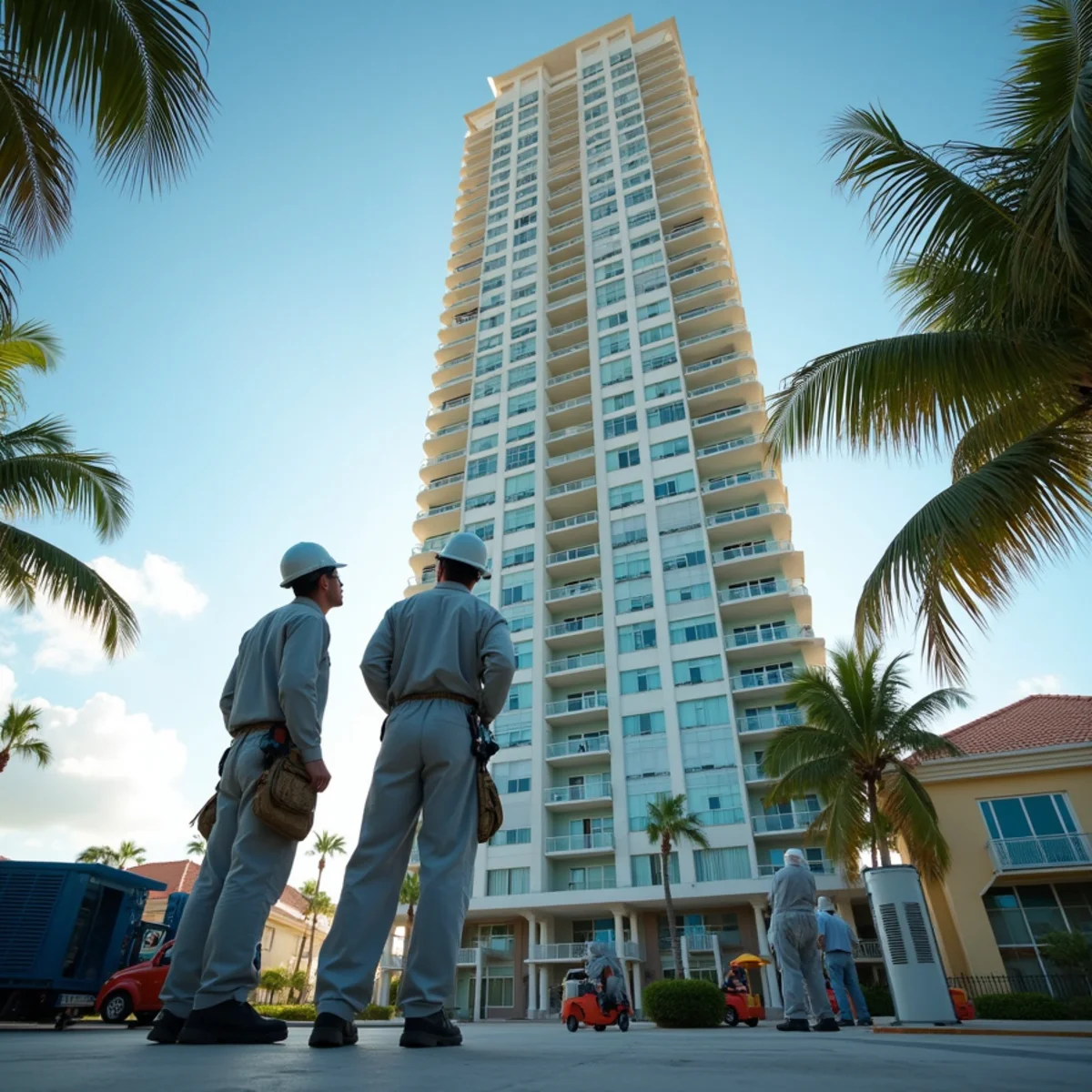
Miami-Dade and Broward have long required older buildings to undergo recertification, historically at 40 years, and Florida's milestone inspection law now mandates structural inspections for condos three stories and taller as they reach 30 years, and periodically after. Water intrusion is directly relevant to these inspections because chronic moisture corrodes reinforcing steel and degrades concrete, the very structural elements inspectors evaluate. A history of unaddressed leaks can turn up as a finding that requires costly repairs. Properly restoring water damage, and documenting that it was done right, protects the building's standing when recertification comes due. Buildings throughout Aventura, with its concentration of mid- and high-rise towers, are squarely affected by these requirements.
The Hidden Dangers in Multi-Story Buildings
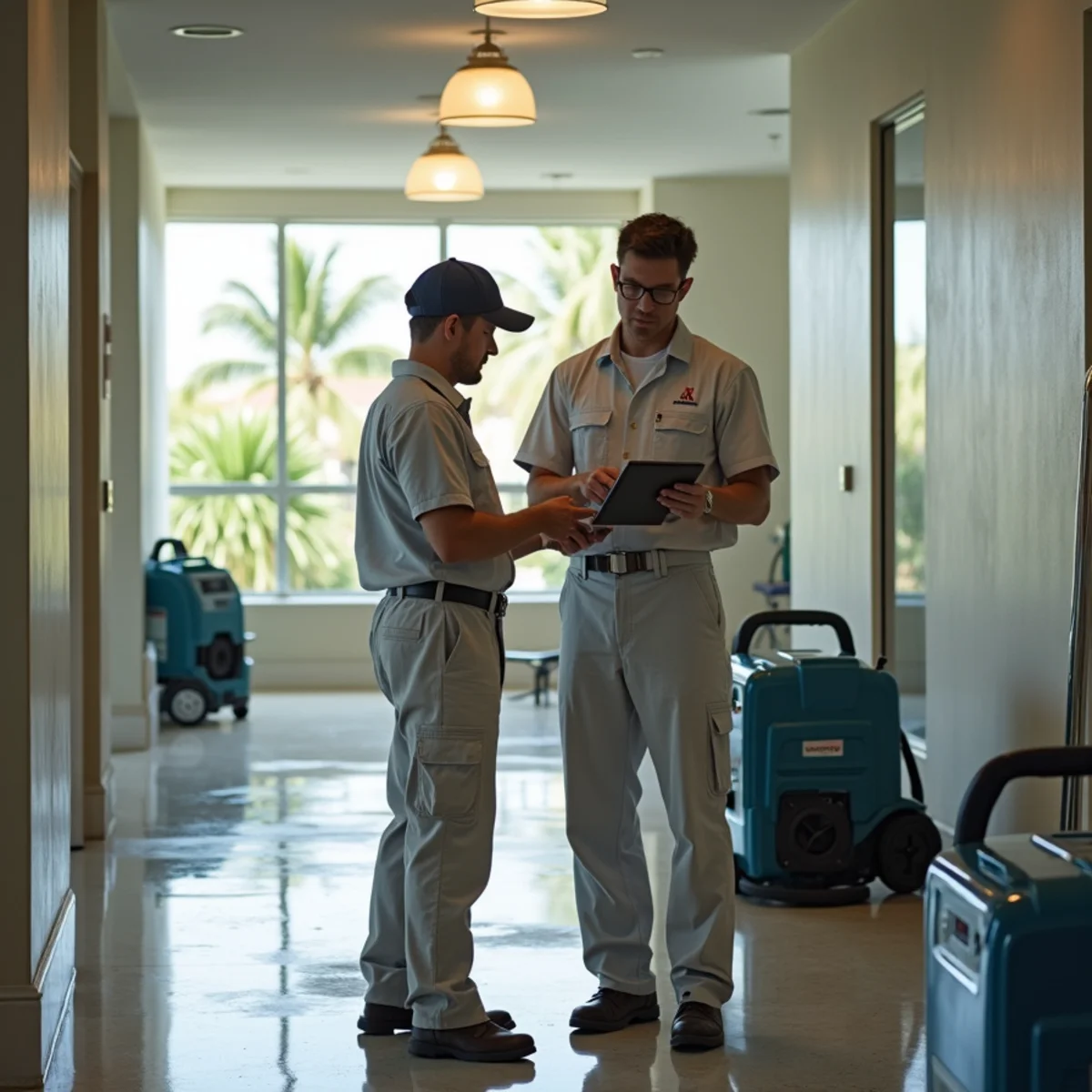
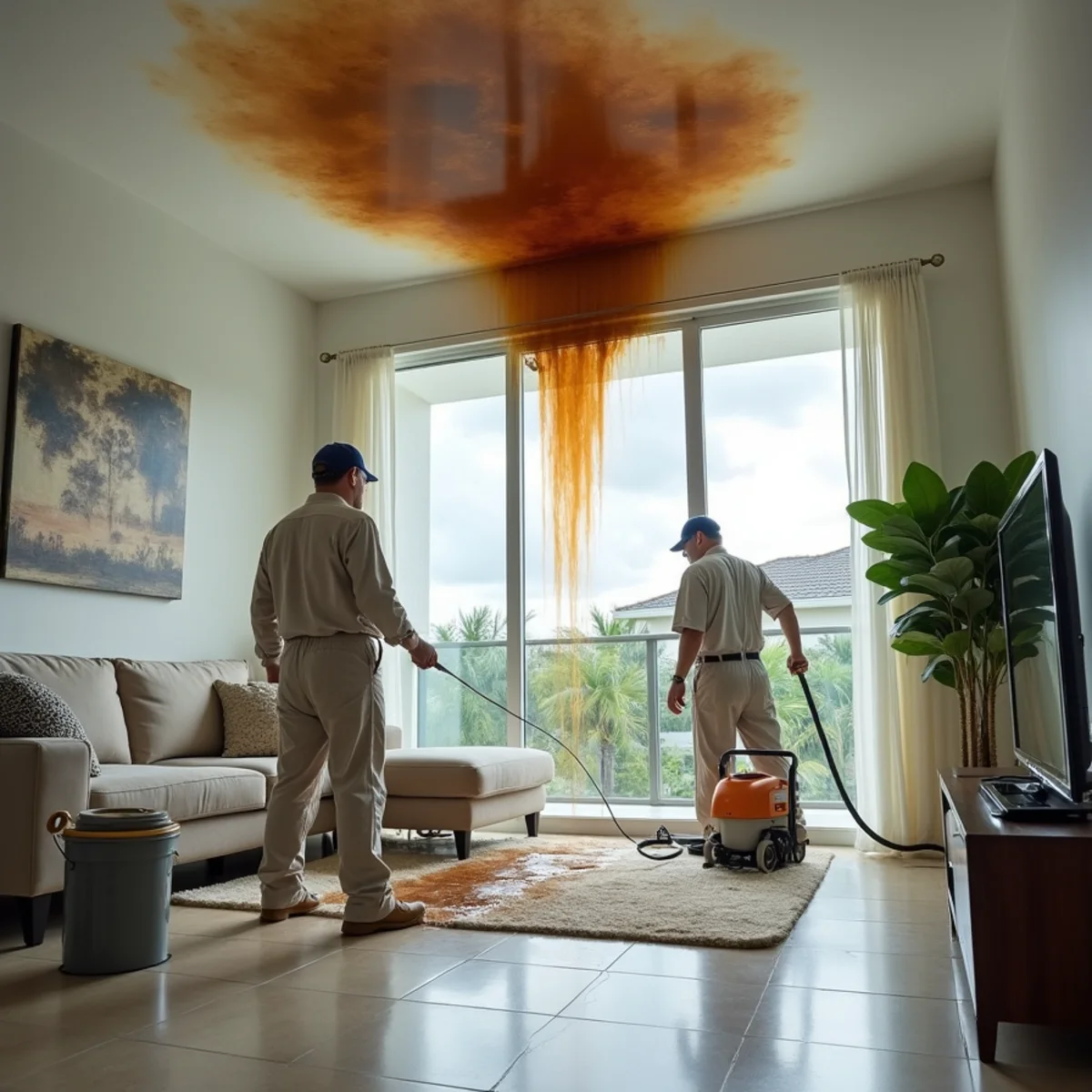
Water in a condo tower travels in ways that surprise people. A leak on an upper floor can migrate down through the structure, appearing in a unit several floors below, and moisture can hide inside the concrete and block assemblies that make up the building. Mold in shared walls and common HVAC systems can affect multiple units and the air everyone breathes. Because mold can begin growing within 24 to 48 hours, and because access to shared spaces requires coordination, a fast and organized response is essential. Our technicians use moisture mapping to trace water across unit boundaries so nothing is missed behind a neighbor's wall.
Access itself is one of the biggest practical hurdles in condo work. Reaching the source may require entering a neighboring unit, a common hallway chase, or a mechanical room controlled by the association, and that coordination takes time that mold does not give you. The buildings that handle leaks best are the ones where management has clear protocols for granting emergency access and a restoration partner already on file, so crews are not waiting on permissions while water spreads into three more units.
Insurance in the Condo Context
Condo insurance is layered: the association's master policy covers the building and common elements, while the owner's HO-6 policy covers the interior and belongings. Determining which policy responds depends on the source and the association's documents, and disputes are common. Clear documentation of the leak's origin and the resulting damage is what keeps a claim moving. Our insurance claims support produces the source identification and damage scope that both the owner's and the association's carriers need to sort out responsibility without endless back-and-forth.
What to Do the Moment You Spot a Condo Leak
- 1
Document it immediately
Photograph the water and damage and note the time you discovered it. In a shared building, that timestamp can matter for both the association's records and your claim.
- 2
Shut off your unit's water if the source is inside
If the leak is a fixture or appliance in your unit, close the local or unit shutoff. If it is coming from elsewhere, you may need the association to act on the common line.
- 3
Notify management per your building's procedure
Report to the association or property manager right away, following your building's emergency protocol. Prompt notice protects you whether you are the source or the affected party.
- 4
Alert neighbors who may be affected
If units below or beside you could be taking on water, let them know so they can protect belongings and document their own damage before it spreads further.
- 5
Call a restoration company experienced with condos
Multi-party access and layered insurance make condo work different. A crew that has handled towers before can coordinate across units while drying begins.
A Coordinated Response Protects Everyone
In a condo, the best outcome comes from a restoration partner who can work with owners, boards, and property managers at once, respect building access rules, and document everything for both the recertification file and the insurance claims. Handled well, a leak is contained and resolved. Handled poorly, it becomes a multi-party dispute and a structural liability.
Ultra Mold Water Restoration serves condos throughout South Florida with coordinated, fully documented response 24/7. If water has affected your unit or building, call (866) 688-0301 and we will manage the response across every party involved.
Dealing with this right now?
Ultra Mold responds 24/7 across South Florida.
Frequently asked questions
It depends on the source and your association's declaration. Generally the association covers common elements and structure while the owner covers the unit interior, but leaks that cross units involve multiple policies. Documenting the source is key.
Chronic moisture corrodes reinforcing steel and degrades concrete, the structural elements inspectors evaluate. Florida now requires milestone inspections for condos three stories and taller starting at 30 years, so unaddressed leaks can become costly findings.
Condo coverage is layered between the association's master policy and your owner's HO-6 policy. Which one responds depends on the source and the association's documents, so clear documentation of the leak's origin is essential.
Water travels between units and through shared structure, responsibility is split between owner and association, and building access must be coordinated. A leak can affect multiple units and the shared HVAC, so a fast, organized response matters.