
Most Water Damage Is Preventable
The majority of the water damage calls we respond to could have been avoided or caught early with routine attention. A hose that was replaced on schedule, a drain line that was flushed, a roof that was inspected before the rainy season, any of these small acts prevents a major loss. Prevention is far cheaper and less disruptive than restoration, and in Miami, where humidity turns any lingering moisture into a mold risk within days, it pays off even faster.
This is a practical checklist you can work through a section at a time. None of it requires special skills, and doing it seasonally will catch most problems while they are still small and inexpensive to fix.
The mindset that makes this work is treating prevention as maintenance rather than a response to trouble. A home is a system, and like any system it rewards regular attention and punishes neglect. Setting aside a couple of hours each season to walk through these items is far less time than a single water damage event will demand of you, and it is time spent on your own schedule rather than during an emergency.
Plumbing and Appliances
- Inspect supply hoses on washing machines, dishwashers, and refrigerators, and replace worn rubber hoses with braided steel.
- Check under every sink for slow drips, corrosion, or water staining.
- Test toilet seals and look for movement or moisture at the base.
- Flush your water heater annually and inspect it for rust or leaks, especially if it is over ten years old.
- Know where your main water shutoff is and make sure it turns easily.
The AC System, Miami's Silent Culprit
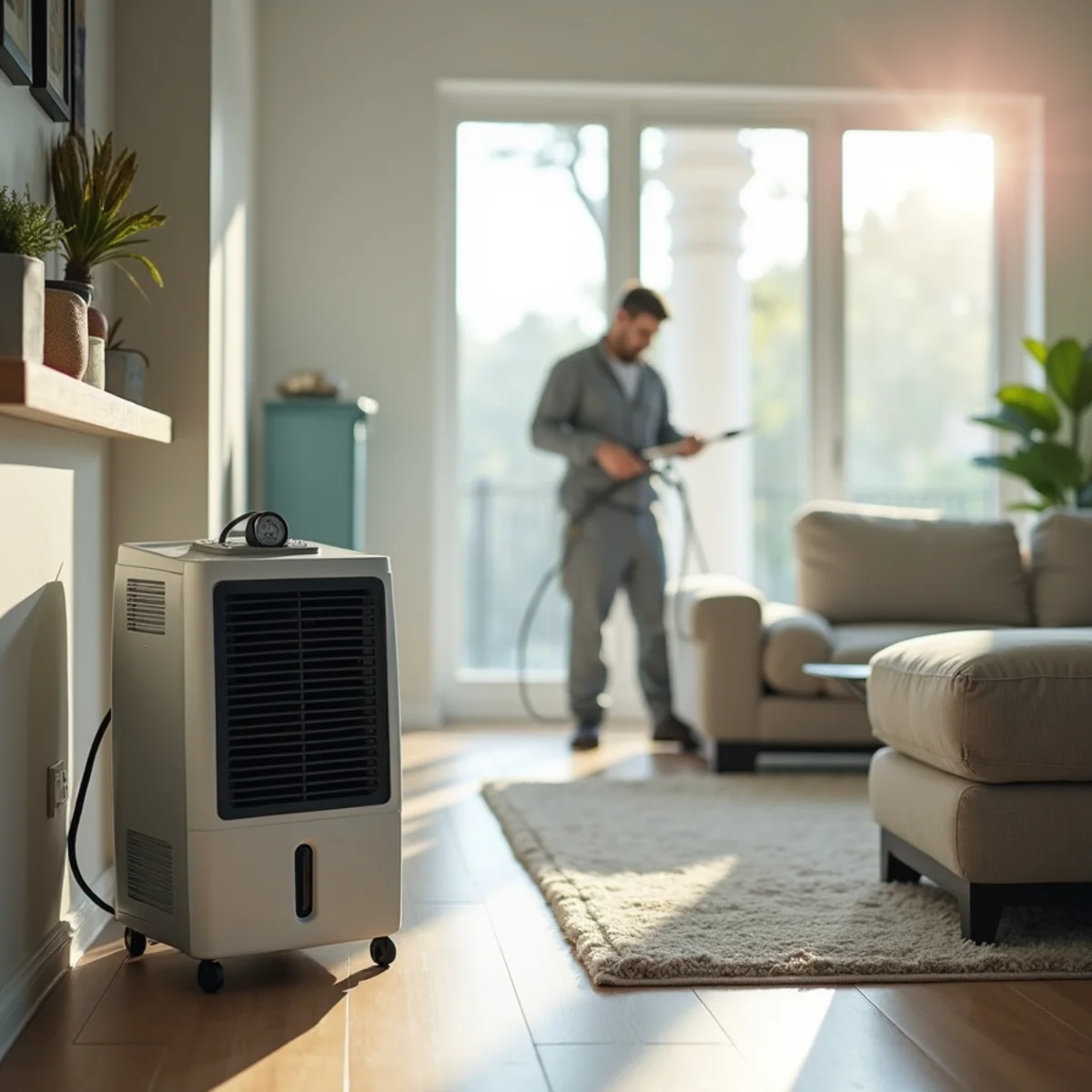
In South Florida, the air conditioning system causes more sneaky water damage than almost anything else, so it deserves its own place on the checklist. The condensate drain line clogs with algae and debris, and when it backs up, water overflows into ceilings, walls, and floors, often unnoticed for weeks. Flush the drain line periodically, keep the drain pan clean, change filters regularly, and schedule professional service. Because a slow AC leak hides so well, it is a leading cause of the hidden moisture that requires water damage restoration later. Homeowners in Pembroke Pines and throughout Broward who maintain their systems avoid one of the most common and preventable losses in the region.
If your air handler sits in an attic or a closet above living space, consider adding a secondary drain pan with a float switch that shuts the system off if water starts to back up. It is an inexpensive upgrade that has saved many homeowners from a ceiling collapse, and it turns a silent, weeks-long leak into an obvious signal that something needs attention right away.
Roof, Windows, and the Exterior
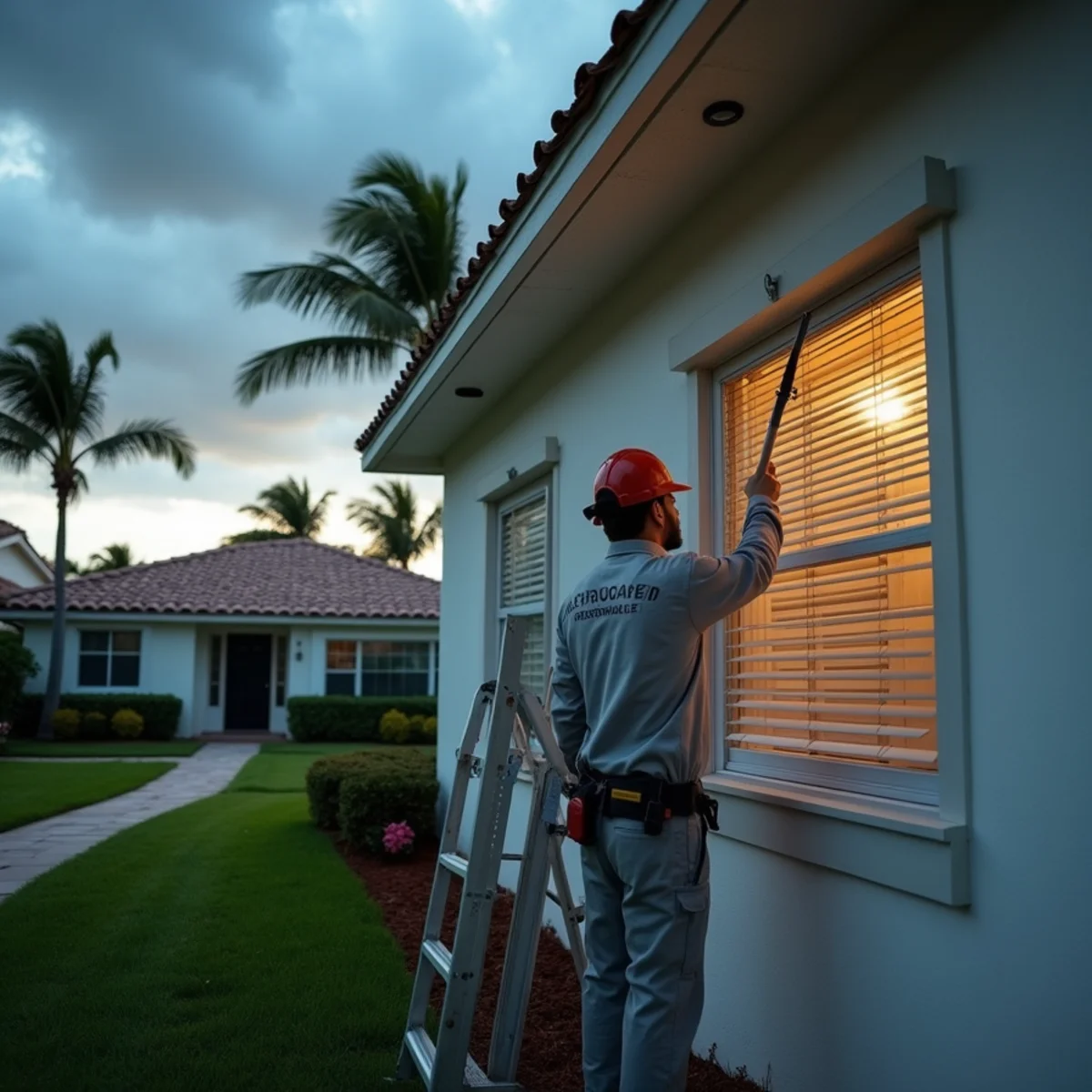
Water gets in from outside more often than people expect, and our long rainy season, May through October with normal rainfall near 45 inches, tests every weak point. Inspect your roof for loose or missing shingles and worn flashing before the season, clean gutters and downspouts so water drains away from the house, and check the caulk and weatherstripping around windows and doors. Make sure the ground slopes away from your foundation so rain does not pool against it. A single afternoon of exterior maintenance before the rains arrive prevents many of the ceiling and wall leaks we see all summer.
Do not overlook the less obvious entry points. Roof penetrations for plumbing vents, exhaust fans, and satellite mounts are common leak sources because their seals degrade in the sun. Skylights, if you have them, are another. Around the exterior, check that window and door seals have not cracked and that any exterior expansion joints or stucco cracks are sealed, since wind-driven rain finds these gaps readily. Catching a failed seal during a calm afternoon is far easier than tracing a mystery leak during a downpour.
Build a Seasonal Rhythm
- 1
Before rainy season (spring)
Inspect the roof, clean gutters, service the AC, and check exterior seals. This is the most important round of the year in Miami.
- 2
During rainy season (monthly)
Flush the AC condensate line, check for new stains or leaks after heavy storms, and monitor indoor humidity to keep it below 60 percent.
- 3
After rainy season (fall)
Look for any damage the season caused, address it before it worsens, and reset for the drier months.
When Prevention Is Not Enough
Even the most diligent homeowner can be caught out by a hidden failure, and when that happens, speed is everything. If you find a leak, a stain, or a musty smell despite your best efforts, a professional inspection catches the extent before it spreads. Catching moisture early, whether through your own checklist or an expert eye, is the theme that runs through every water damage story that ends well. A periodic mold and moisture inspection adds a professional layer to your routine.
Ultra Mold Water Restoration helps South Florida homeowners prevent and respond to water damage, and we are available 24/7. If your checklist turns up a problem or you want an expert set of eyes, call (866) 688-0301.
Dealing with this right now?
Ultra Mold responds 24/7 across South Florida.
Frequently asked questions
Clogged AC condensate drain lines are among the most common. When they back up, water overflows into ceilings and walls unnoticed for weeks. Flushing the line periodically and servicing the system prevents it.
Work through a seasonal rhythm: a thorough inspection before the rainy season, monthly checks during it, and a review afterward. Regular attention catches small problems before they become major losses.
Yes, if they are worn rubber. Braided steel hoses are far more durable and less likely to burst. A failed washing machine hose can release significant water quickly, so this is a high-value swap.
Monitor indoor humidity and keep it below 60 percent, run and maintain your AC properly, and ventilate moisture-heavy rooms. Controlling ambient moisture prevents the mold that lingering dampness causes in our climate.