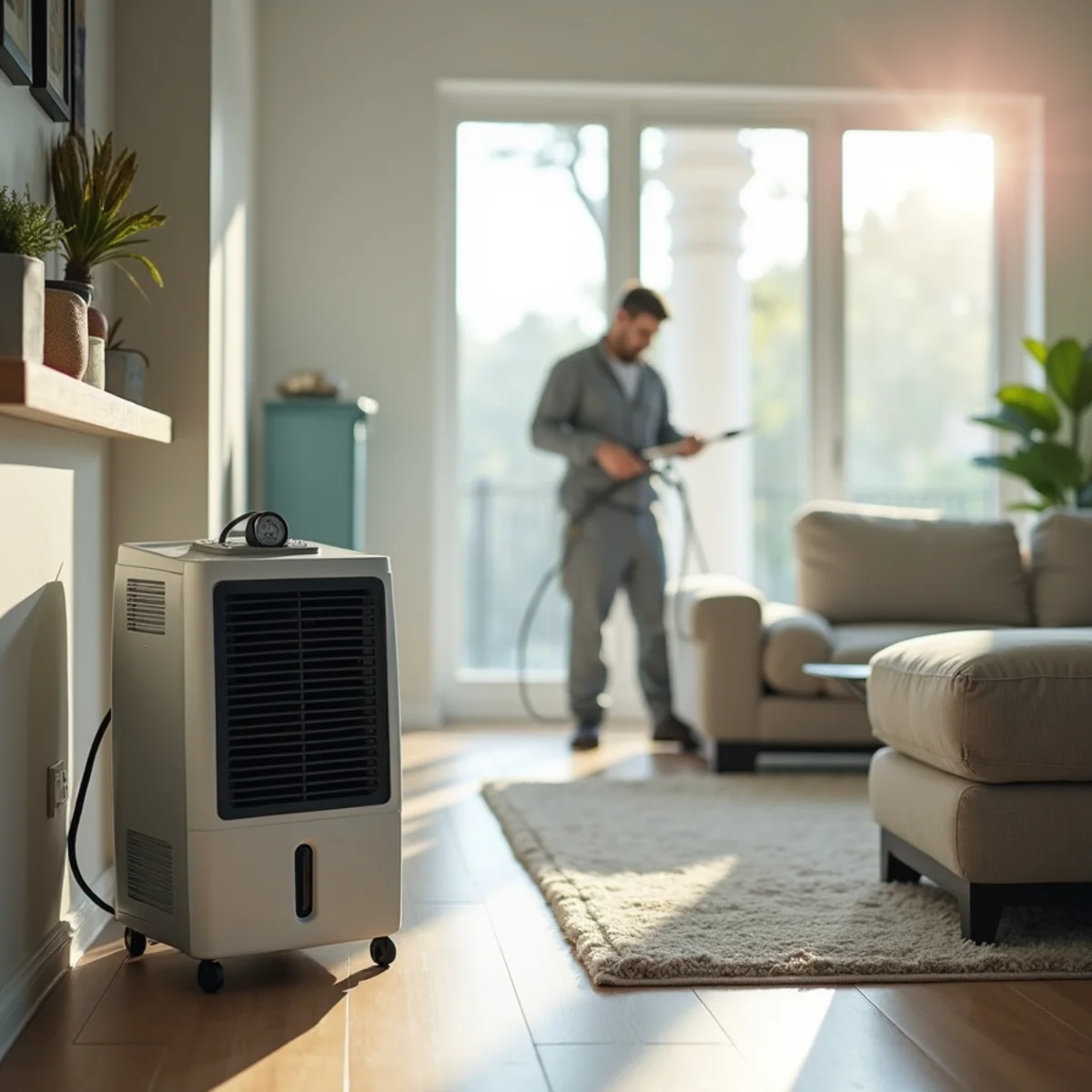
In Florida, Humidity Is the Year-Round Enemy
Homeowners in drier states worry about mold only after a leak. In South Florida, the air itself is a constant mold risk, every day of the year. Our humidity does not take a season off, and it means mold prevention here is not a one-time fix but an ongoing part of how you run your home. The single most important target to remember is this: the EPA recommends keeping indoor relative humidity below 60 percent, and staying under that line is the foundation of everything else.
The good news is that controlling humidity is entirely doable with the right habits and equipment. This is a practical guide to keeping your home dry enough that mold never gets the conditions it needs.
Think of it the way you might think of keeping a boat afloat: it is not one dramatic action but a steady routine of small ones. A hygrometer here, a clean drain line there, an exhaust fan run a few minutes longer, none of these is difficult on its own, and together they keep your indoor environment on the dry side of the line mold needs to cross. Once these habits become second nature, mold prevention stops feeling like a chore and simply becomes how a Florida home is run.
Measure Before You Manage
You cannot control what you do not measure. An inexpensive hygrometer tells you your indoor humidity in real time, and placing a few around the house reveals problem rooms you might otherwise miss. Bathrooms, laundry areas, and rooms with poor airflow often run higher than the rest of the house. If you consistently read above 60 percent, that is your signal to act, whether by improving ventilation, adjusting your AC, or adding dehumidification. Knowing your numbers turns mold prevention from guesswork into management.
Make Your AC and Dehumidifier Do Their Jobs
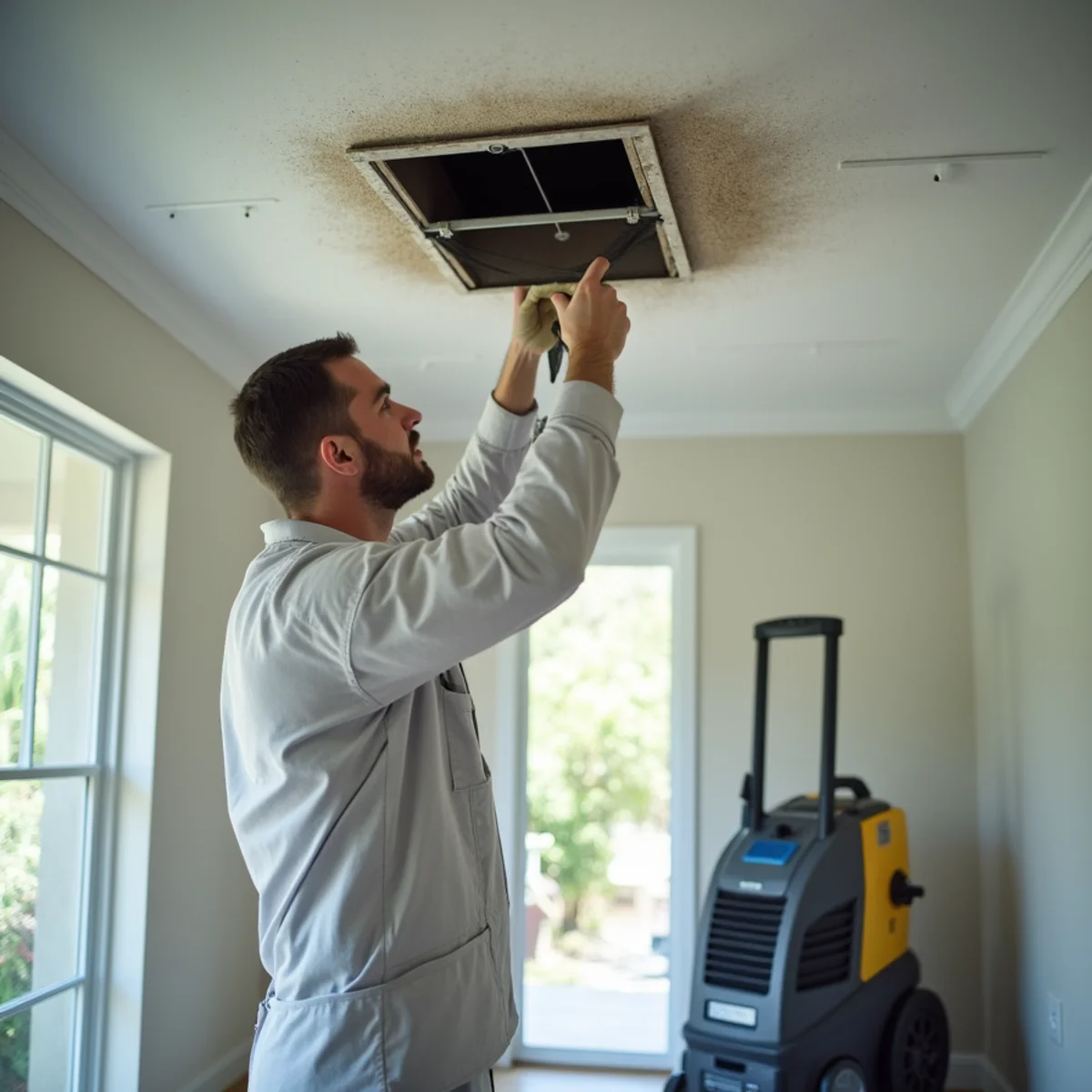
In Florida, your air conditioner is your primary dehumidifier, and how it runs matters as much as how cold it makes the house. An oversized system cools quickly but shuts off before removing much moisture, leaving you cool and clammy. A properly sized system that runs longer cycles pulls far more water from the air. Keep filters clean, service the system regularly, and make sure the condensate drain line is clear so it does not overflow and create the very problem you are trying to prevent. In especially damp areas or during the rainy season, a standalone dehumidifier fills the gap. If you suspect mold has already taken hold inside your system, our air duct and odor cleaning service addresses what is growing where you cannot see it.
A simple maintenance habit prevents one of the most common AC-related mold problems: pour a cup of distilled vinegar or an approved treatment down the condensate drain line every month or two to keep algae from clogging it. A clogged line backs up into the drain pan and then into your ceiling or walls, and it is entirely preventable. Also consider setting the fan to auto rather than on, because running the fan constantly can re-evaporate moisture off the coil and push humidity back into the house between cooling cycles.
Attack Moisture Room by Room
- Bathrooms: run the exhaust fan during and after every shower, and squeegee glass and tile to remove standing water.
- Kitchen: use the range hood when cooking and wipe up spills and condensation promptly.
- Laundry: vent the dryer fully to the outside and never indoors.
- Bedrooms and living areas: keep furniture a few inches off exterior walls so air can circulate behind it.
- Closets and storage: leave doors ajar periodically and avoid overpacking, which traps damp air.
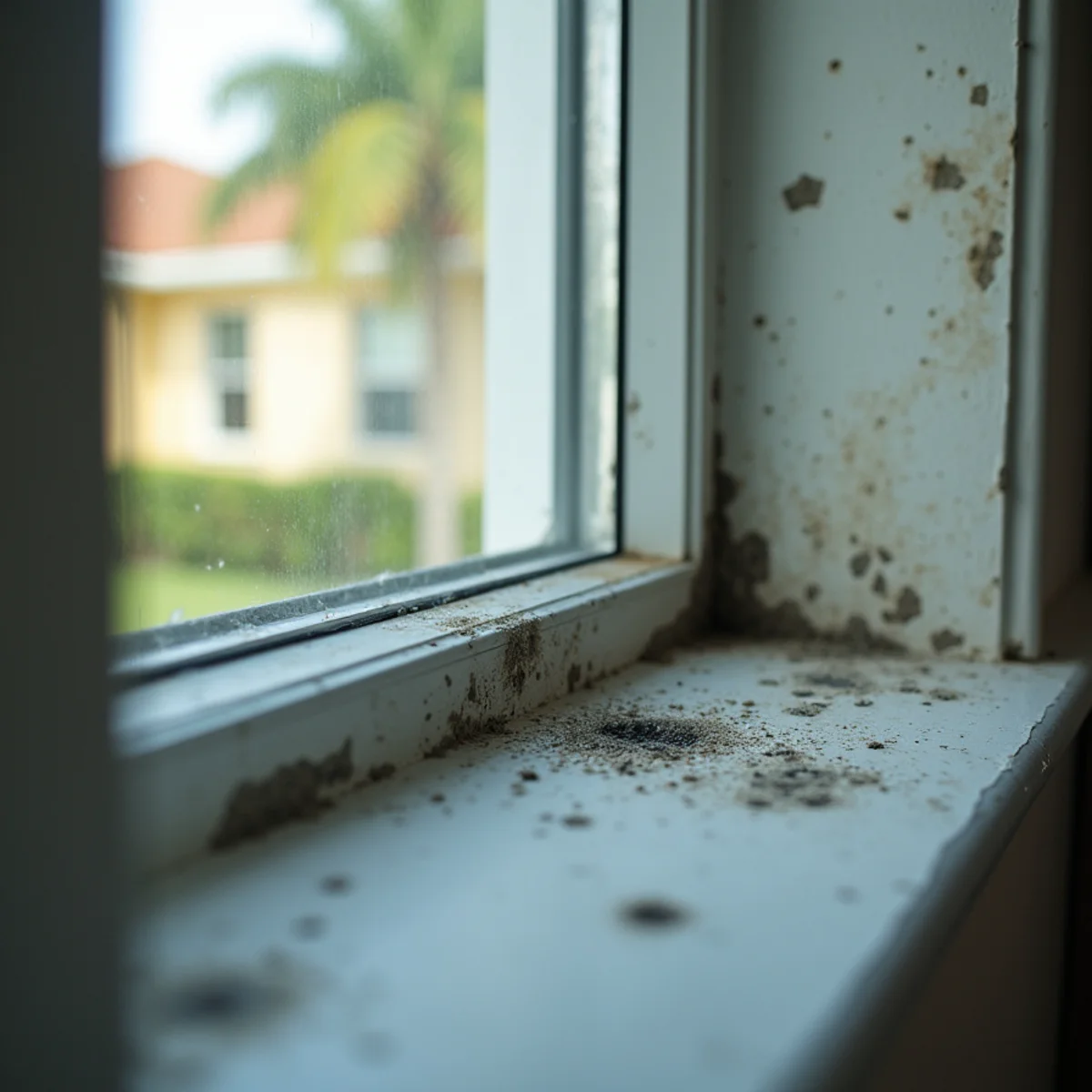
- Windows: wipe away condensation, a common but overlooked moisture source.
Fix Small Problems Before They Grow
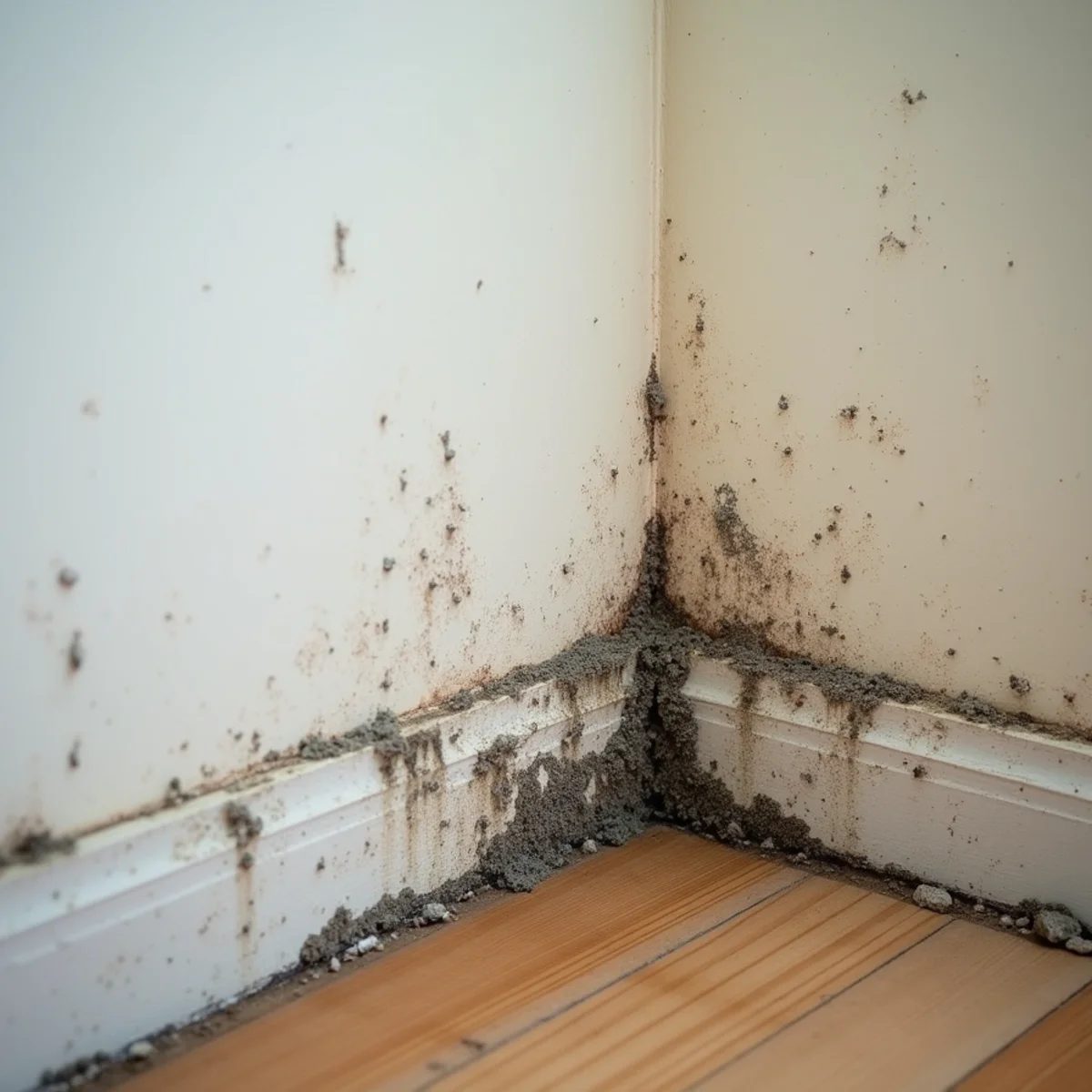
Humidity control handles the ambient risk, but active leaks are a separate front. A dripping pipe, a slow roof leak, or a sweating duct introduces concentrated moisture that overwhelms even a well-controlled home. Inspect under sinks, around toilets and water heaters, and along ceilings periodically, and address any leak immediately. Catching moisture early is what keeps a minor issue from becoming a remediation project. When a leak does cause damage, prompt mold remediation stops it from spreading, but prevention starts with regular attention to the usual trouble spots. Homeowners across Miami-Dade County who make these checks a routine rarely face major mold problems.
Build Prevention Into Your Routine
Mold prevention in Florida is a habit, not a project. Monitor humidity, run and maintain your AC properly, ventilate moisture-heavy rooms, and address leaks the moment you find them. Done consistently, these steps keep your home below the threshold mold needs, year-round. And if you are already fighting recurring growth, a professional inspection can find the moisture source you have been missing.
Ultra Mold Water Restoration helps South Florida homeowners stay ahead of mold, and we are available 24/7. If humidity or recurring mold has you concerned, call (866) 688-0301 and we will help you get it under control.
Dealing with this right now?
Ultra Mold responds 24/7 across South Florida.
Frequently asked questions
The EPA recommends keeping indoor relative humidity below 60 percent. In Florida this requires active effort, including proper AC operation and often a dehumidifier, since the outdoor air stays humid year-round.
An oversized or short-cycling AC cools the air quickly but shuts off before removing much moisture. A properly sized system running longer cycles dehumidifies far better, and a standalone dehumidifier can help in damp conditions.
It is one of the cheapest and most useful tools for mold prevention. Measuring humidity in different rooms reveals problem areas and tells you when to ventilate, adjust the AC, or add dehumidification.
Periodically inspect under sinks, around toilets, water heaters, and along ceilings, and address any leak immediately. Catching concentrated moisture early prevents it from overwhelming your humidity control and feeding mold.