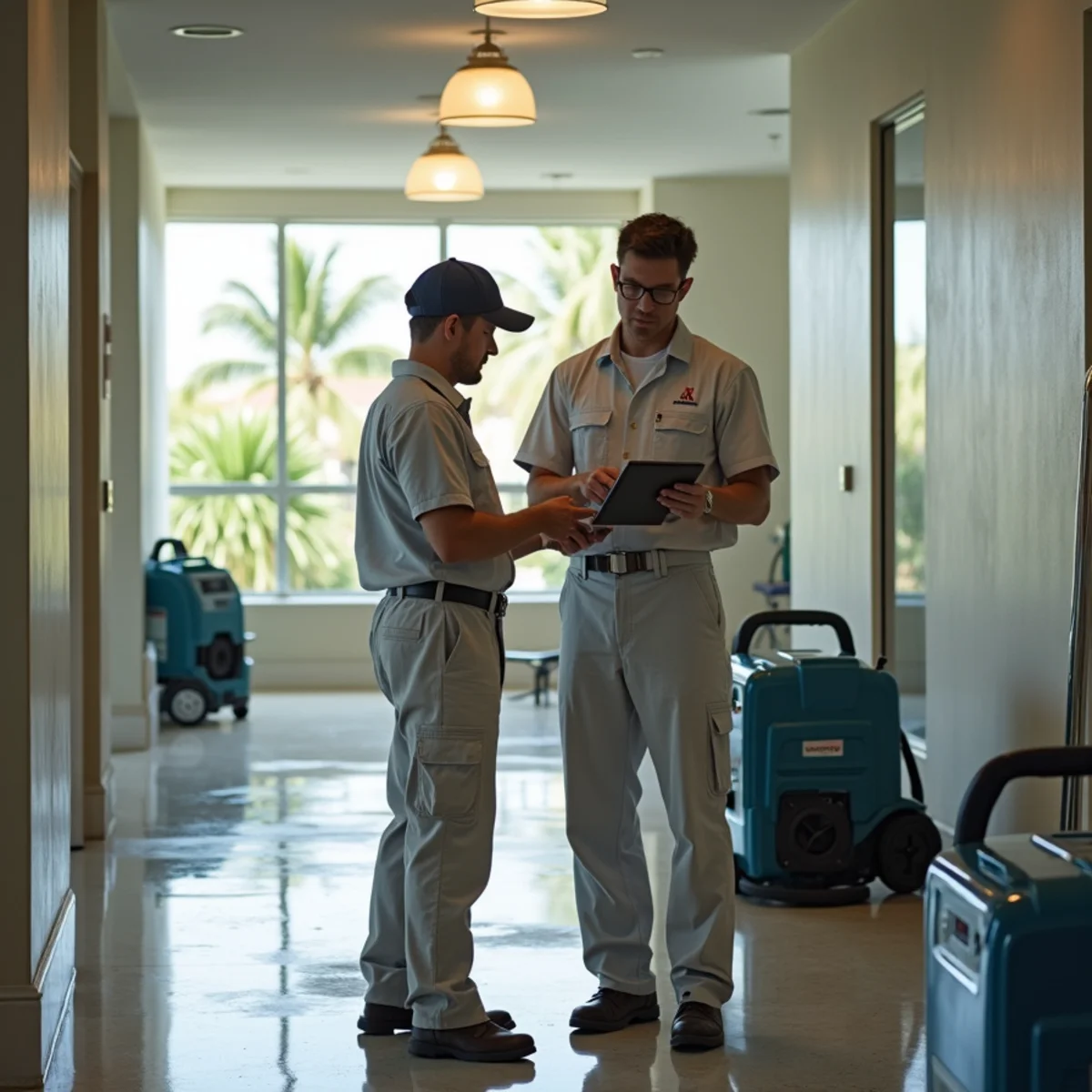
For Property Managers, Water Damage Is a Business Problem
When water damage hits a commercial property, it is not just a maintenance issue; it is downtime, lost revenue, tenant complaints, and potential liability all at once. Property managers in South Florida carry the responsibility of protecting the building, keeping tenants operating, and controlling costs, often simultaneously and under pressure. The managers who handle these events well are the ones who planned before the water appeared and who move fast when it does. This guide is written for that reality.
Commercial water losses also tend to be larger and more complex than residential ones, involving more square footage, more systems, and more stakeholders, which is exactly why a structured approach matters.
There is also a reputational dimension that a homeowner rarely faces. Tenants judge a property by how its management handles problems, and a water event managed poorly, with slow response, poor communication, and lingering mold or odor, can cost you renewals and referrals long after the drywall is replaced. Handled well, the same event can actually build tenant confidence. That makes your response to water damage part of how you manage the asset, not just a maintenance line item.
What Makes Commercial Losses Different
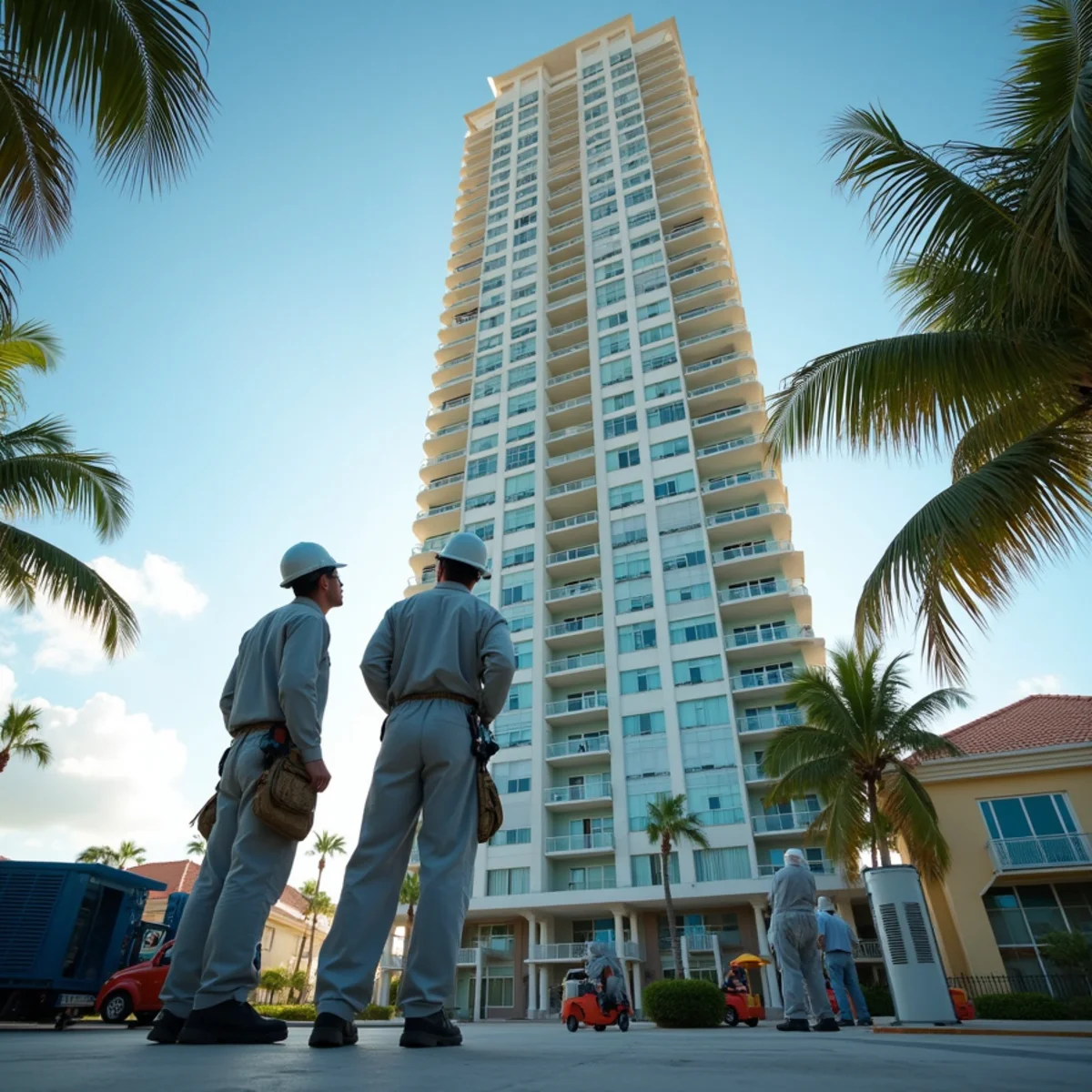
A commercial building brings challenges a house does not. There is more square footage to dry, often across multiple floors and tenants. There are complex systems, from large HVAC units to fire suppression and elevators, that water can damage or that can themselves fail. There are business-continuity concerns, since every hour a space is unusable costs a tenant money and can trigger lease disputes. And there is the question of after-hours response, because a pipe does not wait for business hours. Our commercial water damage service is built around minimizing downtime with the scale of equipment and crew that large spaces require.
Regulatory and safety obligations add another layer. Commercial buildings carry occupancy and code requirements that a home does not, and depending on the tenant, there may be industry-specific rules, a medical office, a restaurant, and a retail store each face different standards for what must be sanitized and documented before reopening. Restoration in an occupied building also has to account for the safety of tenants, employees, and the public during the work, which means containment, signage, and phased scheduling that a residential job rarely requires.
The Downtime Clock and Business Continuity
For a commercial property, the most expensive consequence of water damage is often not the repair; it is the interruption. A closed retail space, an unusable office floor, or a shut restaurant loses revenue every day, and tenants look to the property manager to restore operations quickly. This is why speed and phased restoration matter so much commercially. A good restoration partner works to isolate the damage, keep unaffected areas open where possible, and prioritize the spaces that get tenants back to work fastest. Mold makes this urgency real: growth can begin within 24 to 48 hours, and in a large building it can spread through shared walls and ducts, so delay multiplies the problem.
Have a Plan Before the Water Comes
- Know where every shutoff is for water, and understand the fire suppression system.
- Keep an updated emergency contact list, including a pre-vetted restoration company, accessible to on-site staff.
- Understand your commercial policy's coverage, deductibles, and any business-interruption provisions.
- Maintain building systems, especially HVAC and roofing, on a schedule to prevent the most common failures.
- Document the building's baseline condition so damage is easy to prove later.
Coordinating Insurance and Multiple Parties
Commercial claims are more complex than residential ones, often involving the property owner's policy, individual tenants' policies, and business-interruption coverage. Sorting out responsibility requires clear documentation of the source and the scope. This gets more intricate in shared buildings and condominium-style commercial properties, where the same unit-versus-association questions arise; if you manage condo and mixed-use properties, the responsibility lines can be especially tangled. Detailed, professional documentation is what keeps a large claim moving and prevents disputes among the parties. Property managers overseeing the office and industrial parks of Doral deal with exactly these multi-tenant complexities.
Choosing the Right Restoration Partner
Not every restoration company is equipped for commercial work. The right partner has the equipment to handle large square footage, the crew to work around the clock, experience with commercial insurance and documentation, and the ability to coordinate with multiple tenants and stakeholders while keeping the building as operational as possible. Establishing that relationship before an emergency, so you are not vetting companies while water spreads, is one of the smartest moves a property manager can make. Rapid, professional response is what turns a potential catastrophe into a managed event.
Ultra Mold Water Restoration serves commercial properties throughout South Florida with the scale and speed the work demands, and we are available 24/7. To protect your property and your tenants, call (866) 688-0301 and put a rapid-response partner in place before you need one.
Dealing with this right now?
Ultra Mold responds 24/7 across South Florida.
Frequently asked questions
Commercial losses involve more square footage, multiple floors and tenants, complex systems like large HVAC and fire suppression, and business-continuity pressure. They require larger crews and equipment and careful coordination among stakeholders.
Respond fast, isolate the damage, and use phased restoration that keeps unaffected areas open while prioritizing the spaces that get tenants operating again soonest. Having a pre-vetted restoration partner in place speeds everything up.
It depends on the source and the lease and policy structure, and often involves the owner's policy, tenants' policies, and business-interruption coverage. Clear documentation of the source and scope is what resolves responsibility.
Know your shutoffs and fire suppression system, keep an emergency contact list with a pre-vetted restoration company, understand your coverage and deductibles, maintain building systems, and document the building's baseline condition.