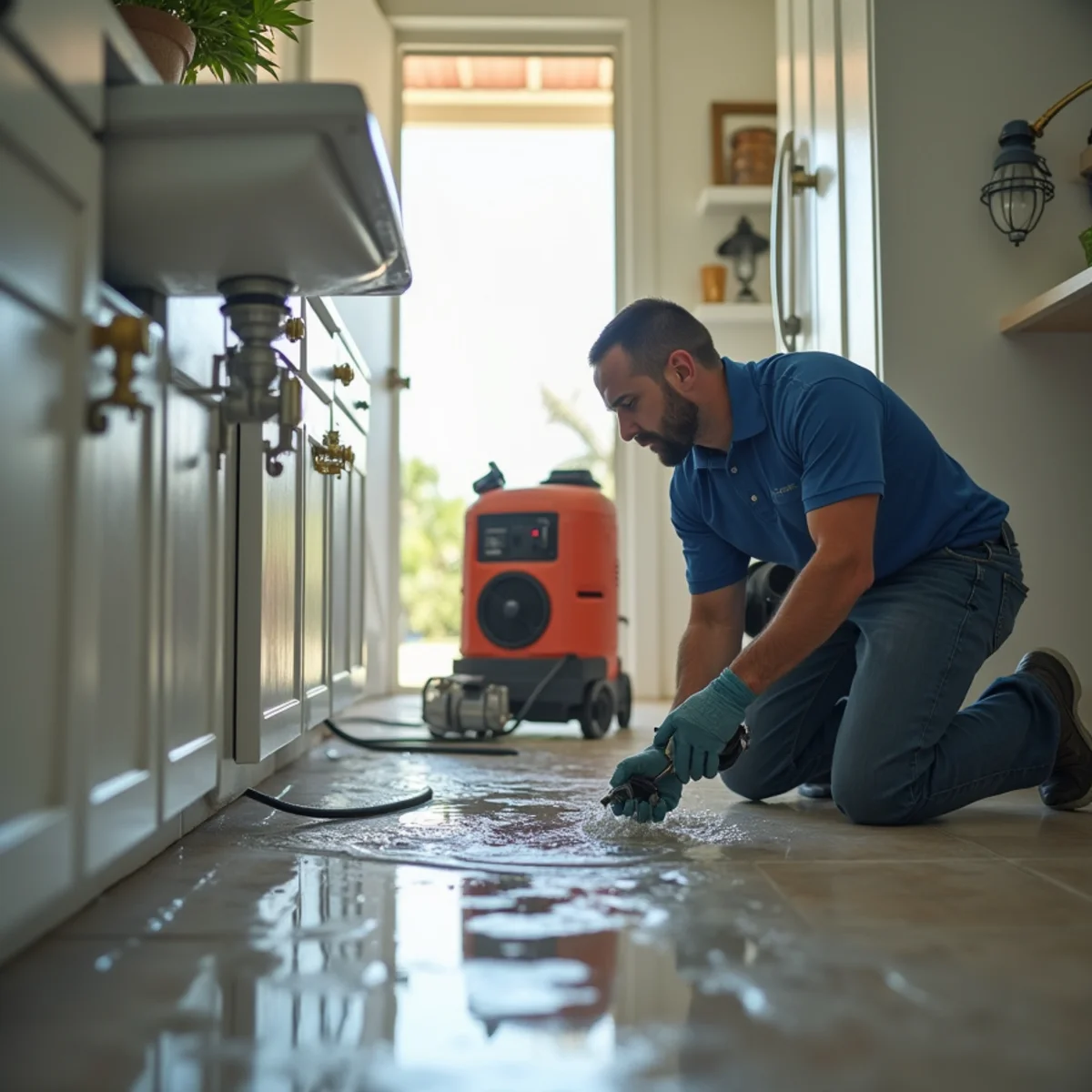
A failed supply line, cracked pipe, or ruptured water-heater connection can release a steady stream of water for hours, often while no one is home. Because supply-line water is under pressure, it spreads fast and reaches places a slow drip never would.
Burst pipe cleanup separates two jobs clearly: the plumbing repair that stops the leak, and the water damage work that extracts, dries, and documents. A plumber fixes the line; a restoration team addresses the moisture that has already spread into flooring, cabinets, and walls.
Ultra Mold Water Restoration responds 24/7 across Miami-Dade to stop a burst-pipe loss from becoming a mold problem, coordinating with your plumber and your insurer along the way.
Warning signs you shouldn’t ignore
- A sudden drop in water pressure or the sound of running water
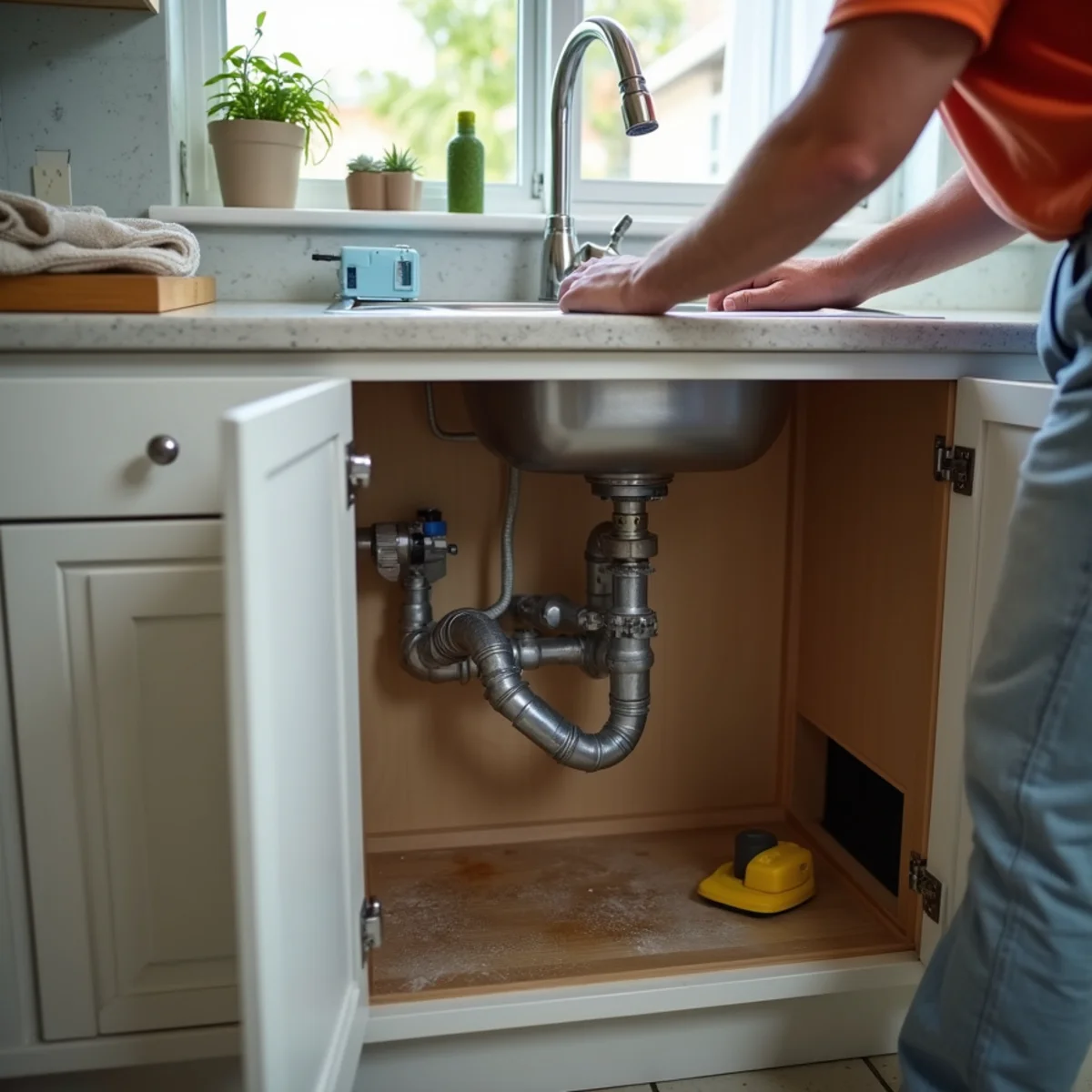
- Water pooling under sinks, near the water heater, or along walls
- A spike in your water bill without a clear explanation
- Wet, warm, or discolored spots on drywall or ceilings
- Warping floors or swelling baseboards after a plumbing incident
- A hissing or dripping sound behind a wall
Why Burst Pipes Cause So Much Damage
Supply lines carry pressurized water, so a failure does not trickle; it pours. A pinhole in a pressurized line or a failed washing-machine hose can put out water continuously until the supply is shut off, which is why a burst pipe discovered hours later often means water throughout multiple rooms.
In Miami homes, that water quickly finds cabinet toe-kicks, baseboards, and slab edges. Because supply-line water usually starts as Category 1, prompt extraction and drying can often save more materials, but only if the response is fast.
First Steps After a Burst Pipe
Stopping the water is the priority, followed by electrical safety and documentation.
- Shut off the water at the fixture valve or the main if it is safely accessible
- Turn off electricity to the affected area from a dry, safe location
- Move people, pets, and valuables away from the water when the path is safe
- Photograph the source, the shutoff, and every affected room
- Call a plumber for the line and a restoration team for the water
- Do not use a household vacuum on the standing water
Our Burst Pipe Cleanup Process
- 1
Confirm the source is controlled
We verify the water is shut off and check for electrical and structural hazards before beginning cleanup.
- 2
Extraction and moisture mapping
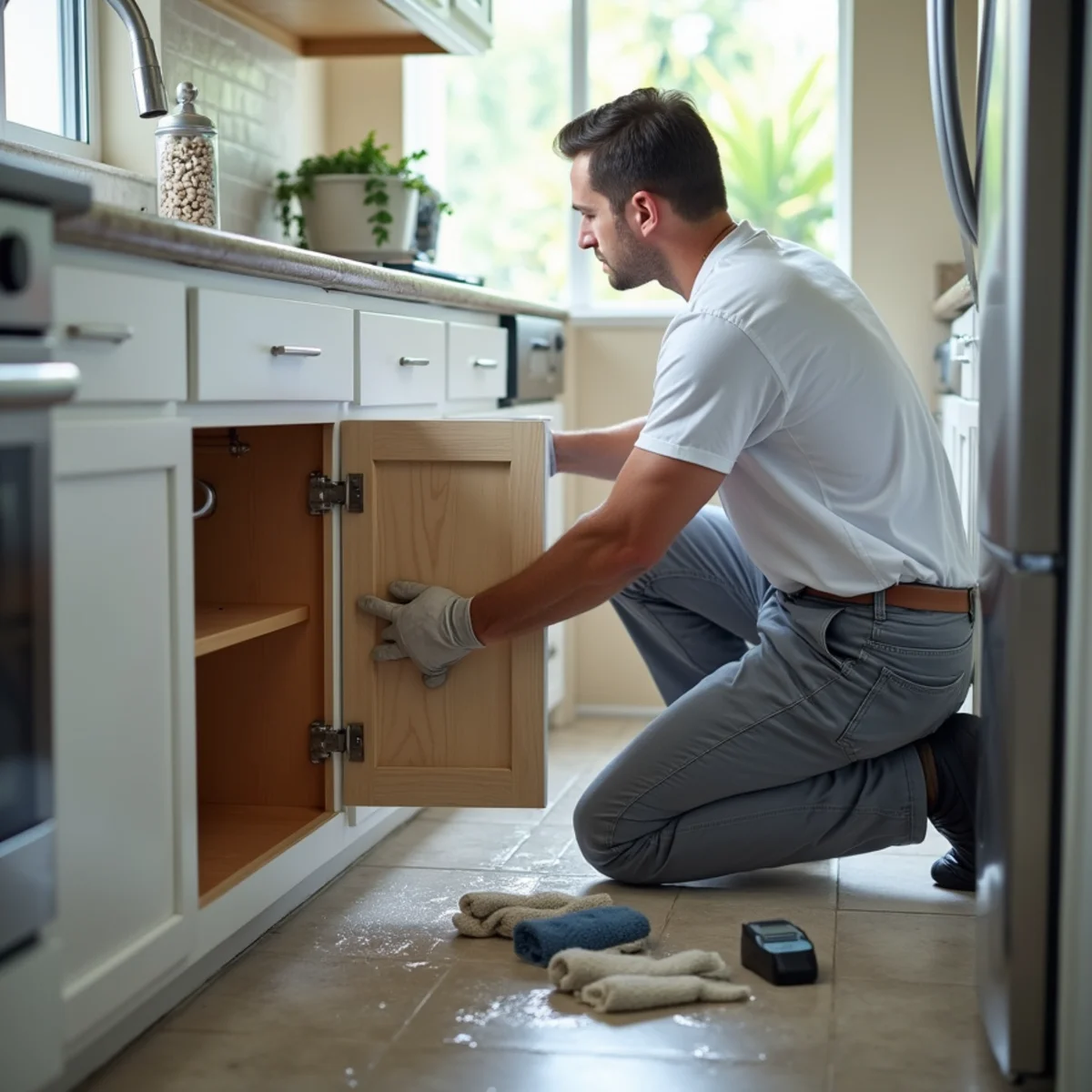
We remove standing water and map how far moisture has traveled, including behind cabinets and along slab edges.
- 3
Structural drying
Air movers and dehumidifiers dry flooring, drywall, cabinets, and framing while we monitor readings toward a documented dry condition.
- 4
Contents handling and controlled removal
We protect salvageable contents and remove unsalvageable materials when authorized, photographing before disposal where safety allows.
- 5
Coordination and documentation
We coordinate with your plumber on the source repair and provide documentation that supports your insurance claim.
Burst Pipes and Your Insurance
A homeowners policy can cover some sudden burst-pipe losses, but coverage depends on the policy, cause, exclusions, deductible, and facts of the loss. Sudden, accidental failures are treated differently than damage tied to long-term wear or deferred maintenance.
We document the source, the affected materials, and the drying process, and we keep communication factual so your carrier has organized information. The carrier decides coverage; we handle the mitigation and the paperwork that supports it.
Why South Florida Pipes Fail
Pipe failures in Miami homes have their own patterns. Aging plumbing in older neighborhoods, corrosion accelerated by humidity and coastal air, high water pressure, and hard-working supply lines to appliances all contribute. Knowing the common failure points helps you catch a problem before it bursts.
- Corroded or aging supply lines in older homes and condos
- Failed braided or rubber hoses behind washers and under sinks
- Water heater tanks and connections at the end of their life
- High water pressure stressing fittings and joints
- Freeze-and-thaw is rare here, but pressure and corrosion are not
Why Choose Ultra Mold for Burst Pipe Cleanup
A burst pipe is really two jobs, and we handle our half without stepping on your plumber's. While the line is repaired, we extract the water, dry the structure, and document the loss, coordinating so the source fix and the moisture cleanup happen in the right order instead of tripping over each other.
- 24/7 response to stop a fresh burst from becoming a mold problem
- IICRC-certified extraction and monitored structural drying
- Coordination with your plumber on the source repair
- Licensed and insured, following the ANSI/IICRC S500 standard
- Documentation that supports a sudden, accidental-loss claim
Burst Pipe Cleanup Across South Florida
We clean up supply-line and water-heater failures across Miami-Dade and Broward, from Aventura and North Miami to Miami Beach, and out to Coral Springs, Davie, and Pembroke Pines.
Older South Florida homes and condos share a set of failure points: corroded supply lines, aging braided hoses, and water heaters at the end of their life, all stressed by humidity and high pressure. Knowing the local plumbing stock helps us predict how far pressurized water traveled and where to check for the hidden moisture it left behind.
We also see the seasonal patterns: water-heater failures that show up as garage flooding, ice-maker and dishwasher lines that let go while a family is away, and pinhole leaks that run for days behind a wall before anyone notices the water bill. Catching those early and drying the affected assemblies is what keeps a plumbing failure from turning into a full cabinet-and-drywall replacement.
What affects the cost
Every loss is different. These are the factors that shape your estimate — we confirm the scope during your free inspection, and the figures below are planning ranges, not a quote.
- How long the pipe leaked and how far the water spread
- Affected square footage and number of rooms
- Material type and the amount of structural drying needed
- Whether cabinets, flooring, or drywall require controlled removal
- Contents handling and protection
- Coordination with plumbing repair of the failed line
- Cleanup and drying follow standard planning ranges, roughly $600 to $1,500 per room for drying, with extraction near $350 to $800; the inspection sets the true scope
Need help right now?
Certified crews, 24/7, across South Florida.
Frequently asked questions
Both, and they handle different jobs. A plumber repairs the failed line; a restoration company extracts the water, dries the structure, and documents the loss. Calling both promptly limits the total damage.
A policy can cover some sudden burst-pipe losses, but coverage depends on the policy, cause, exclusions, deductible, and facts of the loss. Sudden failures are treated differently than long-term wear. Request your carrier position in writing.
Because supply lines are pressurized, a failure can release water continuously until the supply is shut off, often hundreds of gallons if the leak runs for hours. That is why fast shutoff and extraction matter so much.
Often yes, if the response is fast and the water is relatively clean. The decision depends on how long materials were wet, the water category, and drying results. We measure moisture and explain the decision before removing anything.
Probably, yes. Pressurized water spreads fast and wicks into baseboards, cabinet toe-kicks, and slab edges within that hour. Surface water can be mopped, but the moisture inside materials keeps feeding mold. Moisture mapping tells us whether the structure needs drying or is genuinely clear.