The Clock Starts the Moment Water Appears
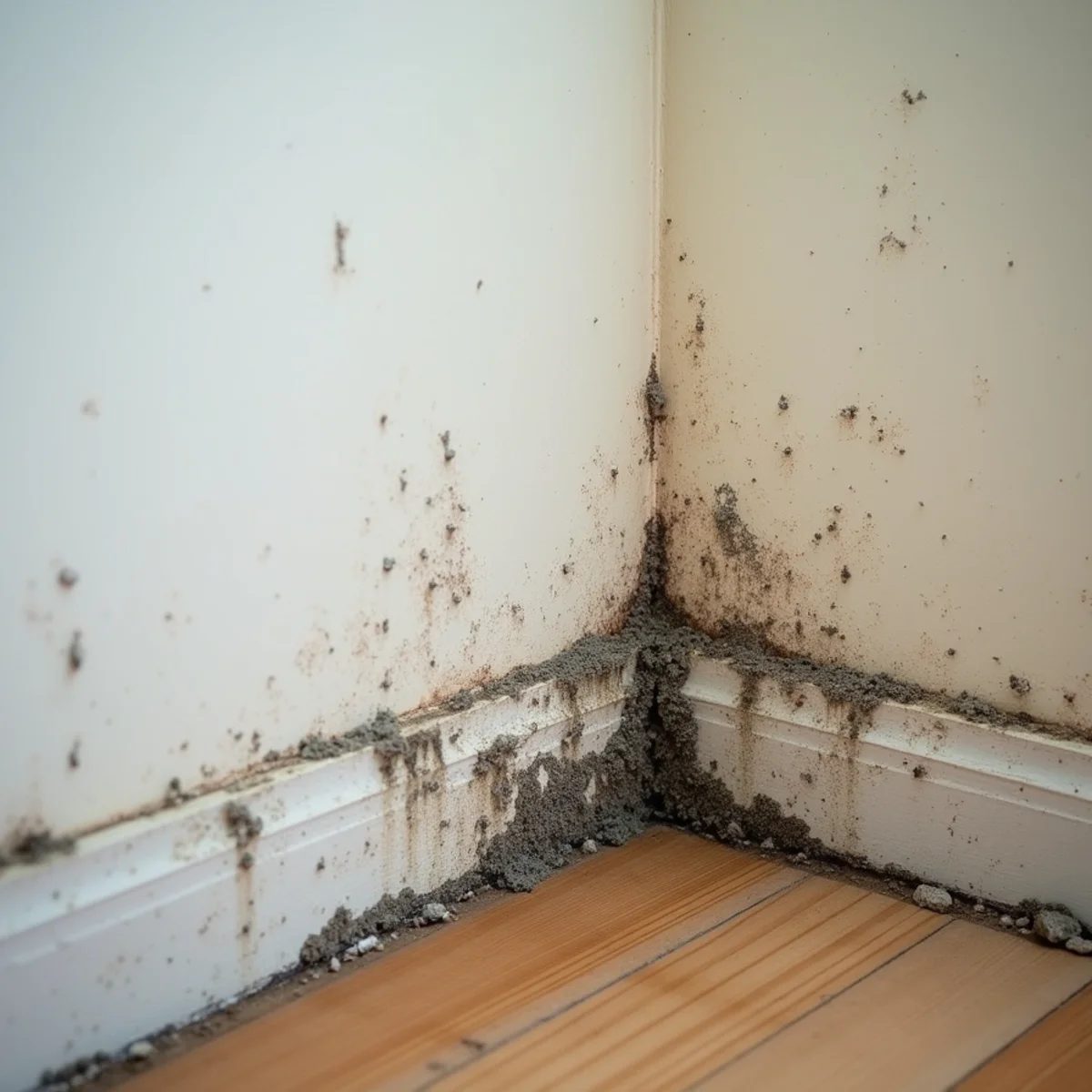
Standing water in your home is stressful, and the choices you make in the first hour shape how much of your house you keep and how much you replace. In South Florida the stakes are higher than in drier climates, because our year-round warmth and humidity give mold a head start. The EPA advises drying wet materials within 24 to 48 hours, and mold can begin colonizing damp drywall and baseboards inside that same window. What you do in the first sixty minutes buys you time.
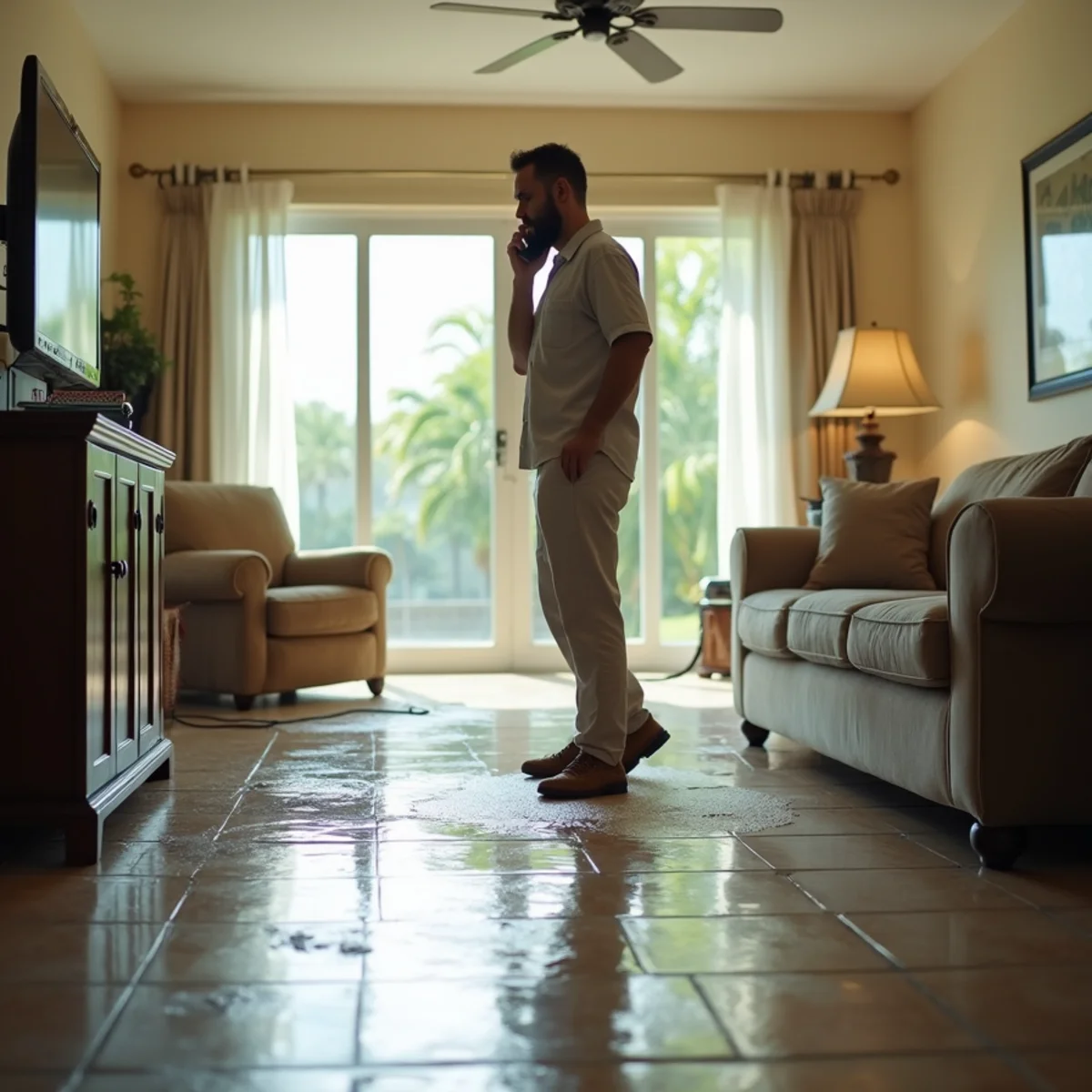
This is a practical, step-by-step guide written the way our technicians would walk a homeowner through it over the phone. None of it requires special equipment, and every step is something you can safely do while you wait for a crew. If the flooding is severe or you are unsure about electrical safety, skip ahead and call for 24/7 emergency water damage response before doing anything else.
Step 1: Make Sure the Space Is Safe to Enter
Water and electricity are a dangerous combination. If water has reached outlets, appliances, or your electrical panel, do not wade in. Shut off power at the main breaker only if you can reach it without standing in water; otherwise call your utility or an electrician. Watch for slippery tile, floating debris, and hidden drop-offs into sunken living rooms, which are common in older Miami homes.
Step 2: Stop the Source If You Can
If the water is coming from a plumbing failure, shut off the main supply valve, usually located near the water meter or where the line enters the house. For a specific fixture, the local shutoff under a sink or behind a toilet may be enough. If the source is storm runoff or a rising canal, there is nothing to shut off, so move straight to protecting your belongings. Knowing the difference matters, because clean supply-line water is a Category 1 loss while floodwater from outside is treated as contaminated Category 3.
Step 3: Document Everything Before You Move It
Before you touch a single item, photograph and video the damage from several angles. Capture standing water depth against a baseboard or door frame, soaked furniture, and any visible source. This record is the backbone of your claim. Our team handles water damage insurance claims support every week, and the losses that go smoothest are the ones where the homeowner documented the scene before cleanup began. Keep receipts for anything you buy during the emergency, from a wet-vac to tarps.
Step 4: Move People, Pets, and Valuables to Dry Ground
Relocate anyone vulnerable, then lift what you can. Get electronics, documents, photos, and small furniture up and out of the water. Slide aluminum foil or wood blocks under furniture legs to stop staining and wicking. Pull area rugs off wet flooring so they do not trap moisture against wood or tile. Do not risk injury lifting heavy pieces alone; save those for the crew.
Step 5: Start Removing Water and Moving Air
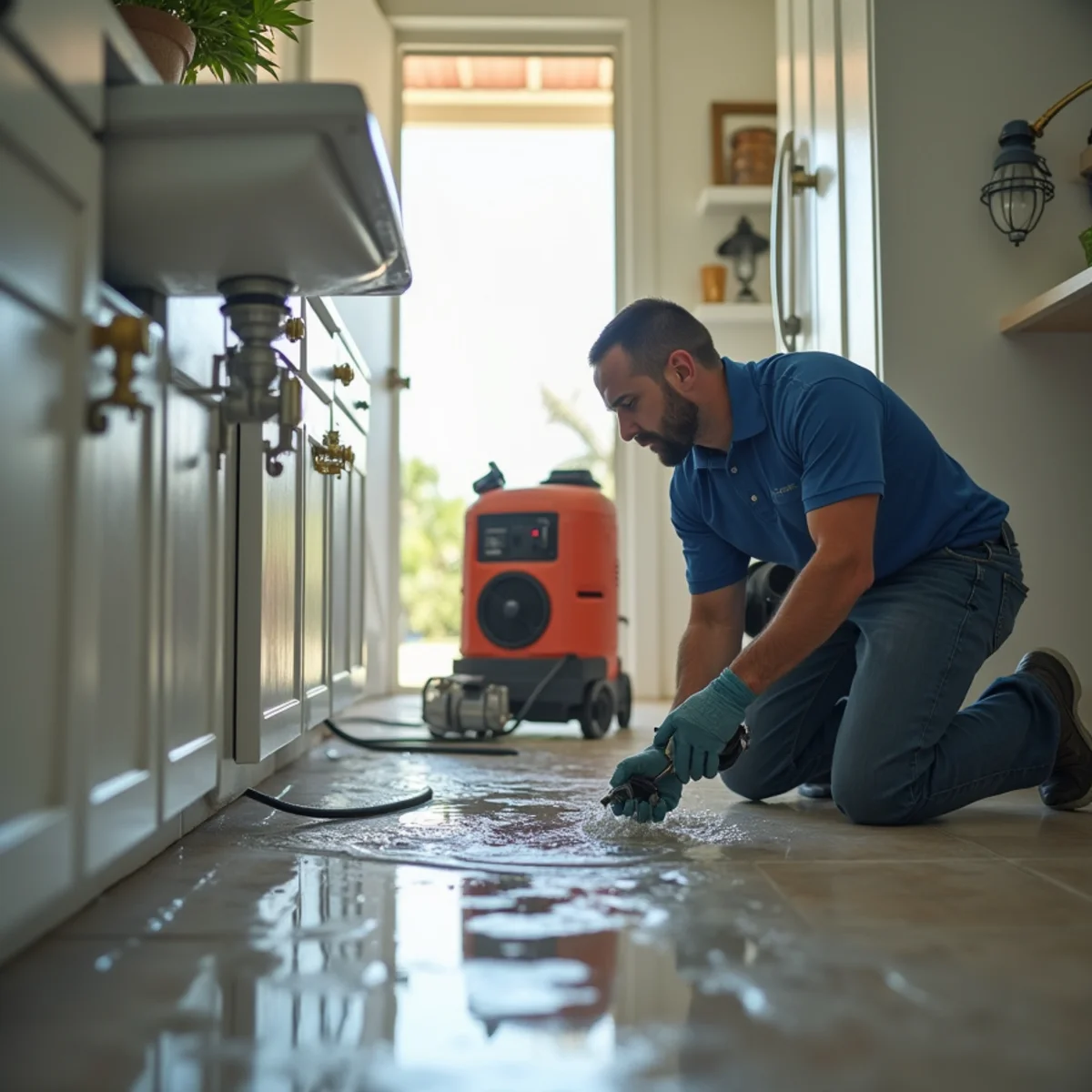
If it is safe, begin removing standing water with a wet/dry vacuum, mop, or towels, and open windows only if the outdoor air is drier than inside, which is rarely the case during our rainy season. Run fans and, if you have one, a dehumidifier. This is triage, not a full dry-out. Professional water extraction in Miami uses truck-mounted units that pull thousands of times more water than a shop vac, followed by structural drying that reaches moisture trapped inside walls and under cabinets where household fans never reach.
Homeowners across Miami-Dade County often tell us the floors felt dry to the touch a day later, only for a musty smell to appear a week on. That smell is moisture still living inside the wall cavity. Surface drying is not the same as structural drying.
One more thing while you wait: resist the urge to run your central air on full blast in the hope of drying things out. In a flooded home, the ductwork and return vents can pull in moisture and, if floodwater reached them, contaminants, then push both through the rest of the house. If the source was clean supply water and the system stayed dry, gentle air circulation helps. If the water was floodwater or sewage, leave the HVAC off until a professional has checked it. Getting this wrong can turn a one-room problem into a whole-house one.
First-Hour Mistakes That Make the Damage Worse
- Using a regular household vacuum instead of a wet/dry vac to pull up water, which is an electrocution risk.
- Throwing away soaked furniture, rugs, or electronics before photographing them for your claim.
- Waiting to notify your insurer, since Florida policies expect prompt reporting and mitigation.
- Lifting heavy waterlogged furniture alone and risking injury when the crew can handle it safely.
- Assuming the job is done once the floor looks dry, when moisture is still trapped inside walls and cabinets.
Step 6: Call for a Professional Assessment
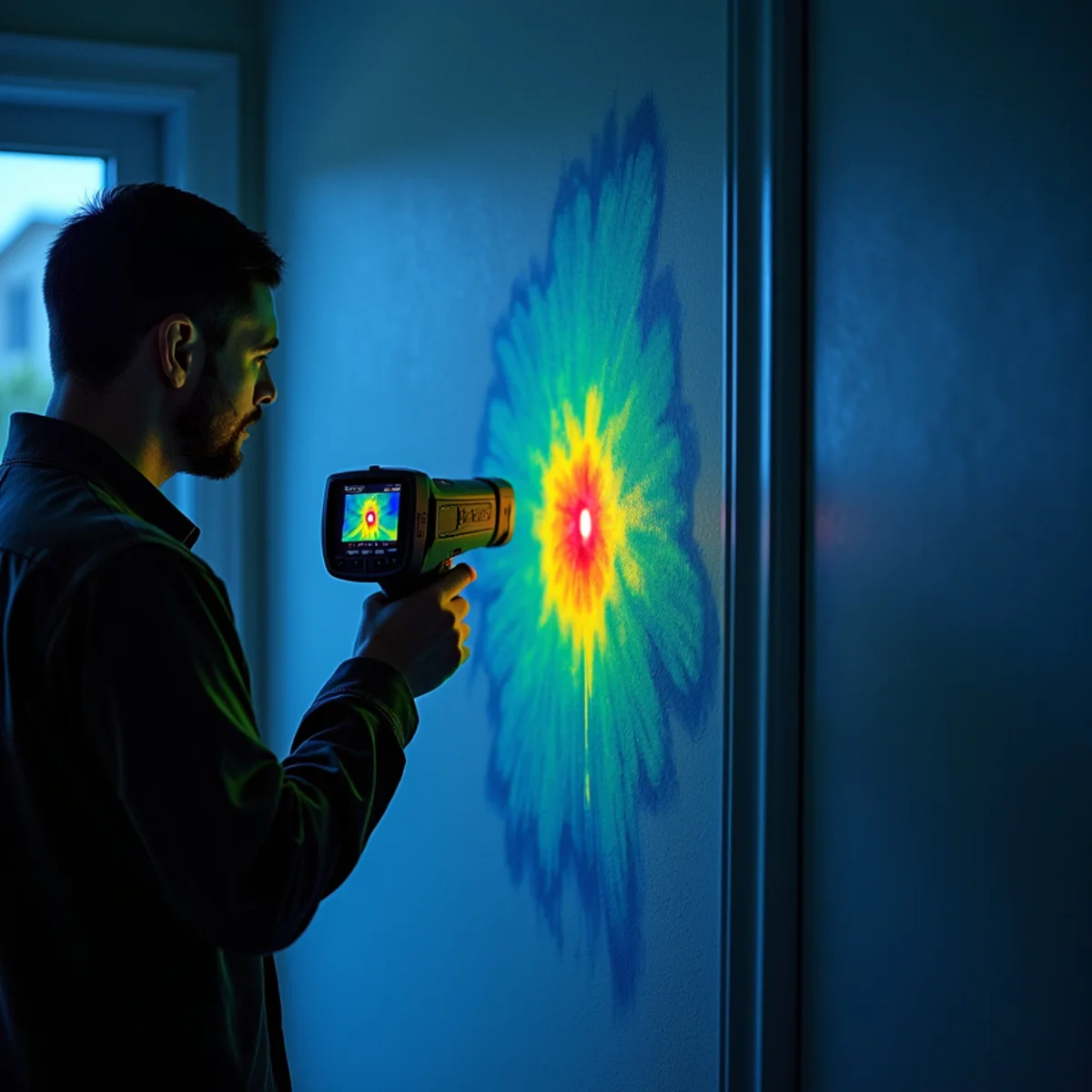
Even a modest flood can hide behind cabinets and under flooring, and the only reliable way to know how far the water traveled is with moisture meters and thermal imaging. The sooner a crew arrives, the more we can dry in place rather than demolish and rebuild, which usually means a lower total cost and less disruption to your life.
Ultra Mold Water Restoration answers the phone around the clock, every day of the year, and we dispatch certified technicians throughout South Florida. If your home is flooding right now, call (866) 688-0301 and we will talk you through the next steps while a crew heads your way.
Dealing with this right now?
Ultra Mold responds 24/7 across South Florida.
Frequently asked questions
Aim to begin drying within 24 to 48 hours. In South Florida's heat and humidity, mold can start growing on wet drywall and wood within that same window, so the faster water is extracted and the structure is dried, the more you can save.
Clean supply-line water is lower risk, but you should never enter water that has touched electrical outlets or appliances, and you should avoid contact with floodwater or sewage, which is contaminated Category 3 water. When in doubt, stop and call a professional.
It depends on the source. A burst pipe is often covered, but rising water from storms or canals usually requires separate flood insurance. Your carrier makes the final call, so document everything and file promptly.
As a planning range, extraction commonly runs about $350 to $800, with structural drying often adding $600 to $1,500 per affected room. Every loss is different, so we assess on site rather than quoting blind.