Two Different Problems People Constantly Confuse
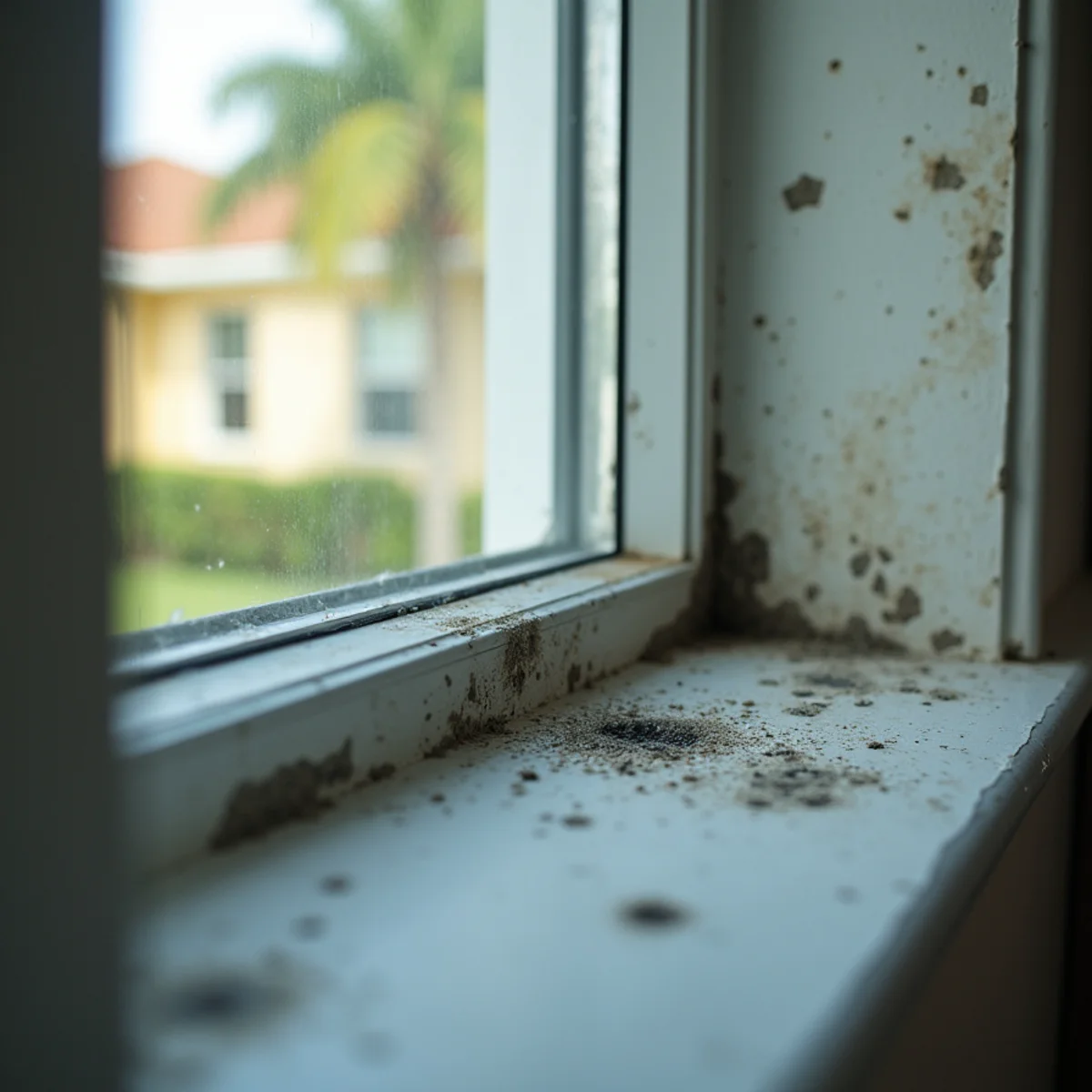
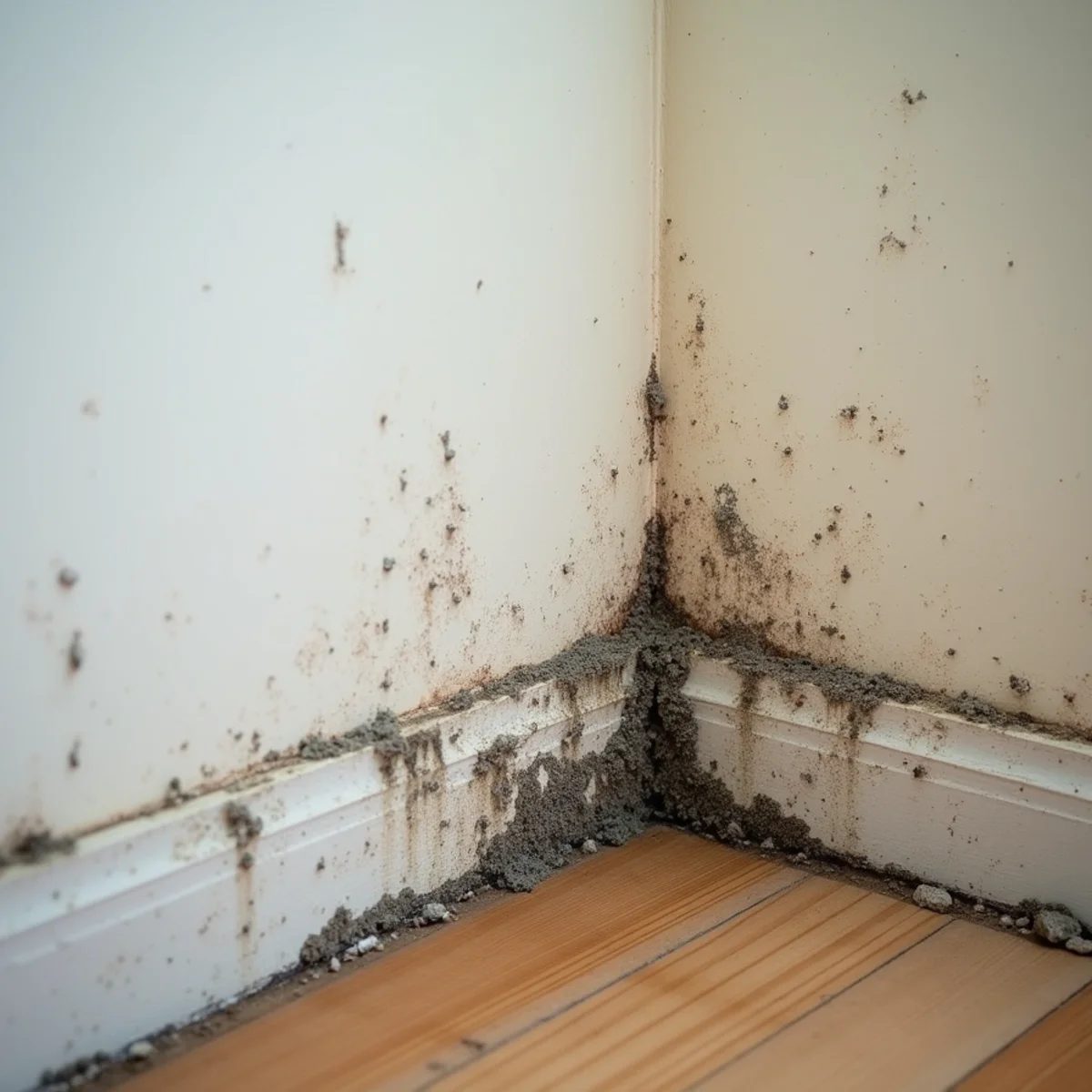
Mildew and mold get used interchangeably, but they behave differently and demand different responses. Mildew is a surface-level fungus that tends to stay flat and is often manageable with cleaning. Mold, including the darker species people call black mold, can grow into materials and spread through a structure, and it usually signals a moisture problem that will not fix itself. Knowing which one you are looking at helps you decide whether to grab a cleaning cloth or pick up the phone.
In our humid climate, both are common, and both deserve respect. But the stakes are higher with mold, so this guide focuses on telling them apart and recognizing when a spot has moved beyond a DIY job.
Strictly speaking, mildew is a type of mold, so the everyday distinction people make is really between surface-level growth that stays put and deeper growth that invades materials. That is the practical line that matters, because it determines whether a cleaning cloth will solve your problem or whether you are looking at something that needs to be removed and its moisture source repaired.
How to Tell Them Apart by Sight and Feel
- Texture: mildew is usually flat and powdery; mold is often fuzzy, slimy, or raised.
- Color: mildew tends to be white, gray, or yellowish, turning brown or black as it ages; mold appears in green, black, blue, or gray and often looks darker and denser.
- Location: mildew loves surfaces like tile grout, shower walls, and fabric; mold thrives on and inside porous materials like drywall, wood, and insulation.
- Depth: mildew sits on top and wipes away; mold penetrates the material and leaves staining or damage behind.
- Smell: both can smell musty, but a strong, persistent earthy odor often points to a larger mold colony, sometimes hidden.
The 'Black Mold' Question
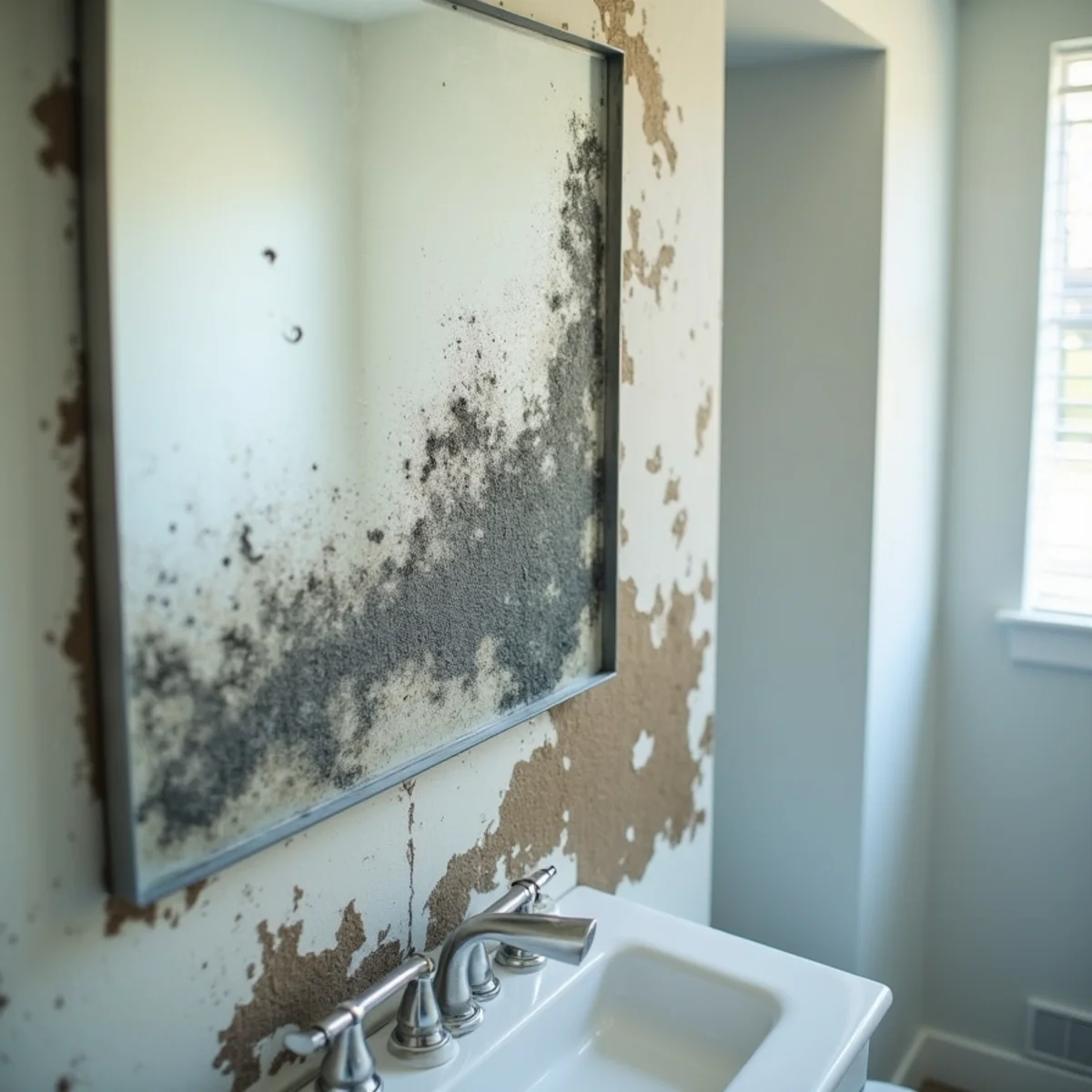
The term black mold usually refers to Stachybotrys chartarum, a greenish-black species that grows on water-damaged materials with high cellulose content, like drywall and wood. It gets a fearsome reputation, but here is the balanced truth: color alone cannot identify a species, many dark molds are not Stachybotrys, and any indoor mold growth deserves attention regardless of species. Rather than fixating on whether a spot is the notorious black mold, focus on the fact that it is growing indoors, which always means excess moisture. A professional mold inspection can determine the extent and, when needed, sample to identify what is present.
People with allergies, asthma, or weakened immune systems can react to a range of molds, not just the famous one, so the health question is less about species and more about exposure. If anyone in the home is experiencing congestion, headaches, or respiratory irritation that eases when they are away from the house, that is a practical signal worth acting on regardless of what color the growth is. The goal is to remove the growth and dry the source, not to win an argument about which fungus you have.
When You Can Clean It Yourself, and When You Cannot
A small patch of mildew on non-porous tile or grout, under about ten square feet, is usually something a homeowner can clean with proper ventilation and protection. But there are clear stop signs. If the growth covers a large area, keeps coming back, appears on or inside drywall, follows a water leak, or is accompanied by a strong musty smell, cleaning the surface will not solve it. Scrubbing visible mold on drywall can even release spores and spread the problem. At that point, our mold remediation team uses containment and HEPA filtration to remove it safely rather than smearing it around.
The Bleach Myth and Other Cleaning Missteps
The most common DIY mistake is reaching for bleach. On hard, non-porous surfaces like glazed tile or a shower door, bleach can knock back surface mildew, but on porous materials like drywall, grout, and wood, it does more harm than good. Bleach is mostly water, and while it may lighten the surface stain so the spot looks gone, the water soaks into the material and feeds the growth underneath. That is why a bleached patch of drywall so often darkens again within a few weeks. Removing the color is not the same as removing the colony.
A few other habits quietly make things worse in our climate. Dry-brushing or sanding visible mold sends spores airborne and scatters them into clean rooms. Painting or caulking over growth seals in moisture and hides an active problem that keeps spreading behind the finish. And pointing a fan at a moldy wall to dry it, a natural instinct in Florida heat, can distribute spores throughout the house before you ever address the water feeding them. When growth is on or inside a porous material, the reliable fix is physical removal under containment followed by drying the source, not a spray bottle. That is the line where a cleaning job becomes a remediation job, and recognizing it early saves both your health and your drywall.
Why It Keeps Coming Back
If mildew or mold returns within days or weeks of cleaning, the real issue is moisture, not the cleaning method. Indoor humidity above 60 percent, a slow leak, poor ventilation, or condensation gives fungus everything it needs to regrow. The EPA recommends keeping indoor humidity below 60 percent for exactly this reason. Homes in Coral Gables and across the county, especially older ones with dense landscaping and shade, fight this battle constantly. Solving the recurrence means finding and fixing the moisture source, which is why identifying the fungus is only the first step.
When in Doubt, Get It Looked At
It is genuinely hard to tell surface mildew from the leading edge of a larger mold problem by eye, and guessing wrong wastes time while the growth spreads. A quick professional inspection settles the question and, if there is an underlying leak, catches it before it becomes a structural issue.
Ultra Mold Water Restoration inspects, tests, and remediates throughout South Florida, and we are available 24/7. If you are staring at a dark spot and are not sure what it is, call (866) 688-0301 and we will tell you what you are dealing with.
Dealing with this right now?
Ultra Mold responds 24/7 across South Florida.
Frequently asked questions
Mildew is flat, powdery, and sits on the surface, usually white to gray. Mold is often fuzzy or slimy, penetrates materials, and appears in darker greens and blacks. Only lab testing can identify a specific species, so color alone is not conclusive.
Not necessarily. Many dark molds are not the species people fear, and color cannot identify a species. Regardless, any indoor mold growth signals a moisture problem and deserves attention.
A small patch of mildew on non-porous surfaces is usually manageable with protection and ventilation. Mold on drywall, over large areas, or tied to a leak should be handled by professionals to avoid spreading spores.
Because the moisture source remains. Keeping indoor humidity below 60 percent and fixing leaks or condensation is the only way to stop recurrence. Cleaning treats the symptom, not the cause.