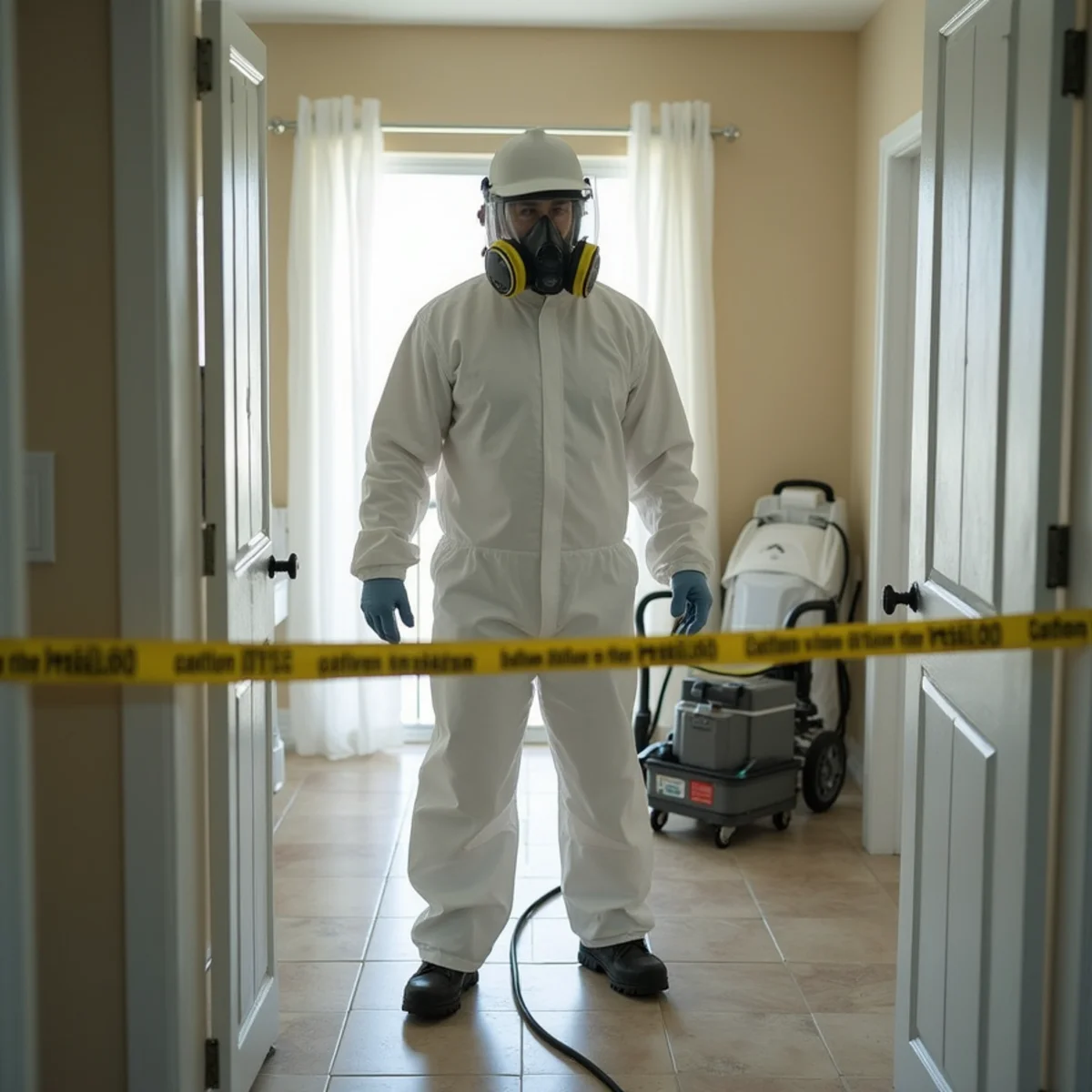
This Is a Biohazard, Not a Mess
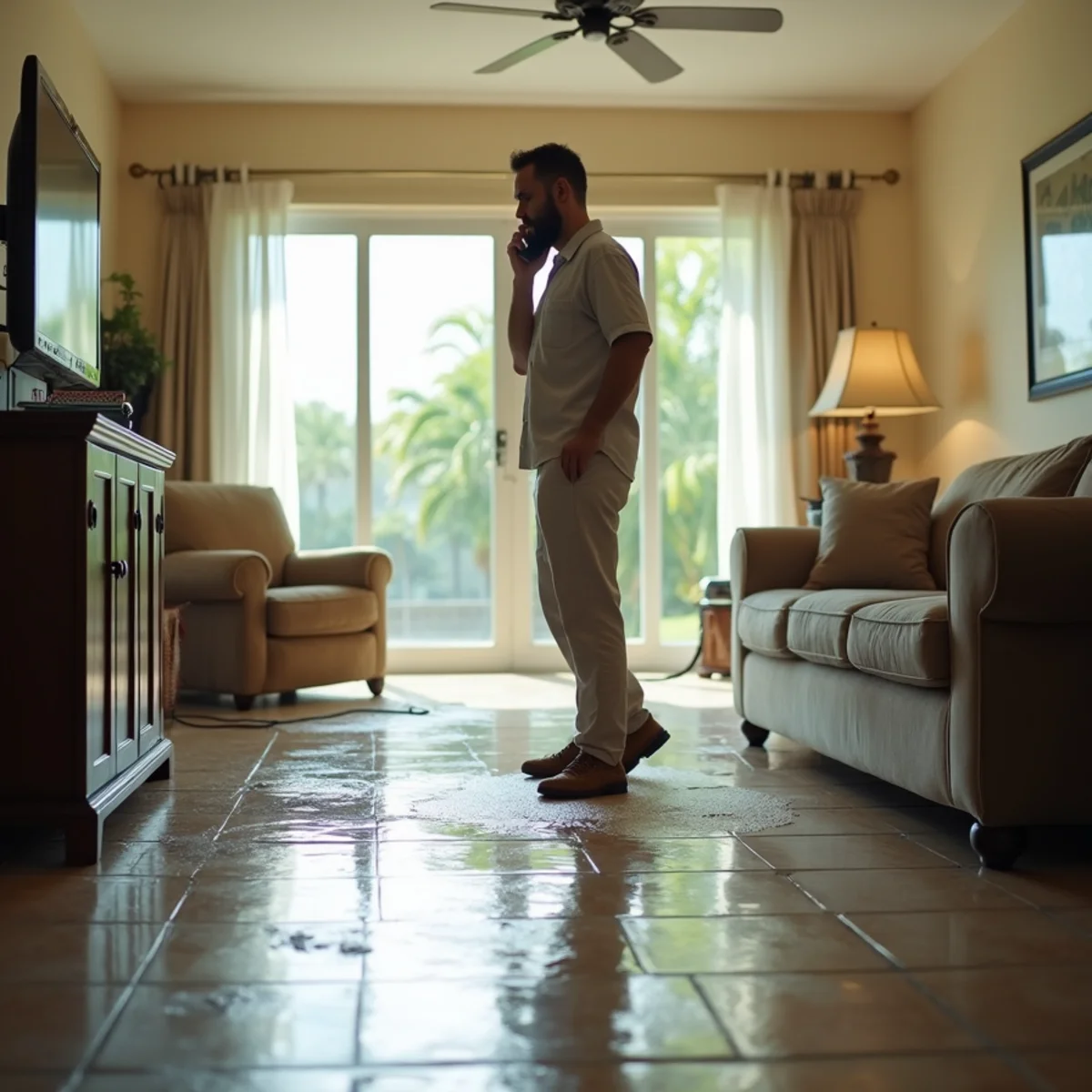
When sewage backs up into a home, the instinct to grab a mop and bucket is understandable and dangerous. Sewage is classified as Category 3 water, the most contaminated category, and it carries bacteria, viruses, parasites, and other pathogens that cause serious illness. This is fundamentally different from a clean water leak. It is a biohazard, and treating it like an ordinary spill puts your health at real risk while often making the contamination worse.
We understand the urge to handle it quickly and quietly, but this is one situation where the right move is to stay out of the affected area and call for professional help. The reasons go well beyond squeamishness.
Keep in mind that sewage backups often signal a larger problem in the plumbing or municipal system, not a one-time fluke. A blockage in the main line, tree roots intruding into a lateral, or an overwhelmed system during heavy rain can all cause a backup to recur if the underlying cause is not addressed. So beyond cleaning up the immediate mess safely, part of resolving a sewage event is identifying why it happened, which is another task that belongs with professionals rather than a homeowner and a bucket.
The First Minutes: What to Do and What Not to Do
- 1
Get everyone out of the affected area
Keep people and pets away from the space, and keep young children, older adults, and anyone with a compromised immune system well clear. Do not wade through contaminated water and then track it into clean rooms.
- 2
Stop using water in the home
Do not run sinks, flush toilets, or start appliances that drain. Adding water to a backed-up system can push more sewage into the house, so stop using any fixture tied to the backup.
- 3
Shut off the HVAC, do not fan the room
Turn the air handler off rather than trying to air the space out. Running the system or pointing box fans at the mess pulls contaminated particles into the ductwork and spreads them through the rest of the home.
- 4
Document from a safe distance
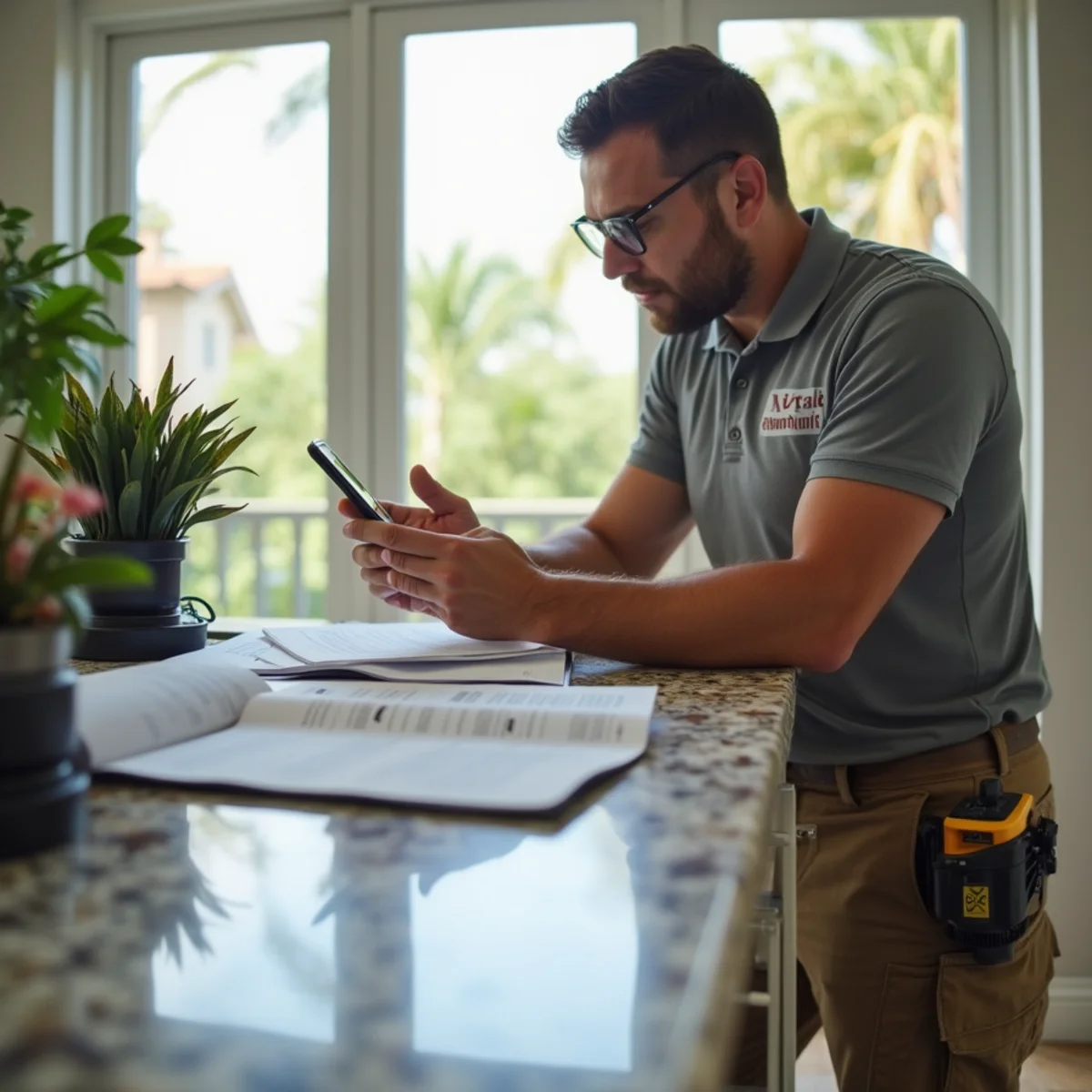
Photograph and video the affected area and any damaged belongings without stepping into the water. This record supports your claim, especially if your policy carries a sewage backup endorsement.
- 5
Call a licensed restoration company
Make the call before attempting any cleanup yourself. The sooner professional containment and extraction begin, the less the contamination spreads and the more of your home can be saved.
The Health Risks Are Serious
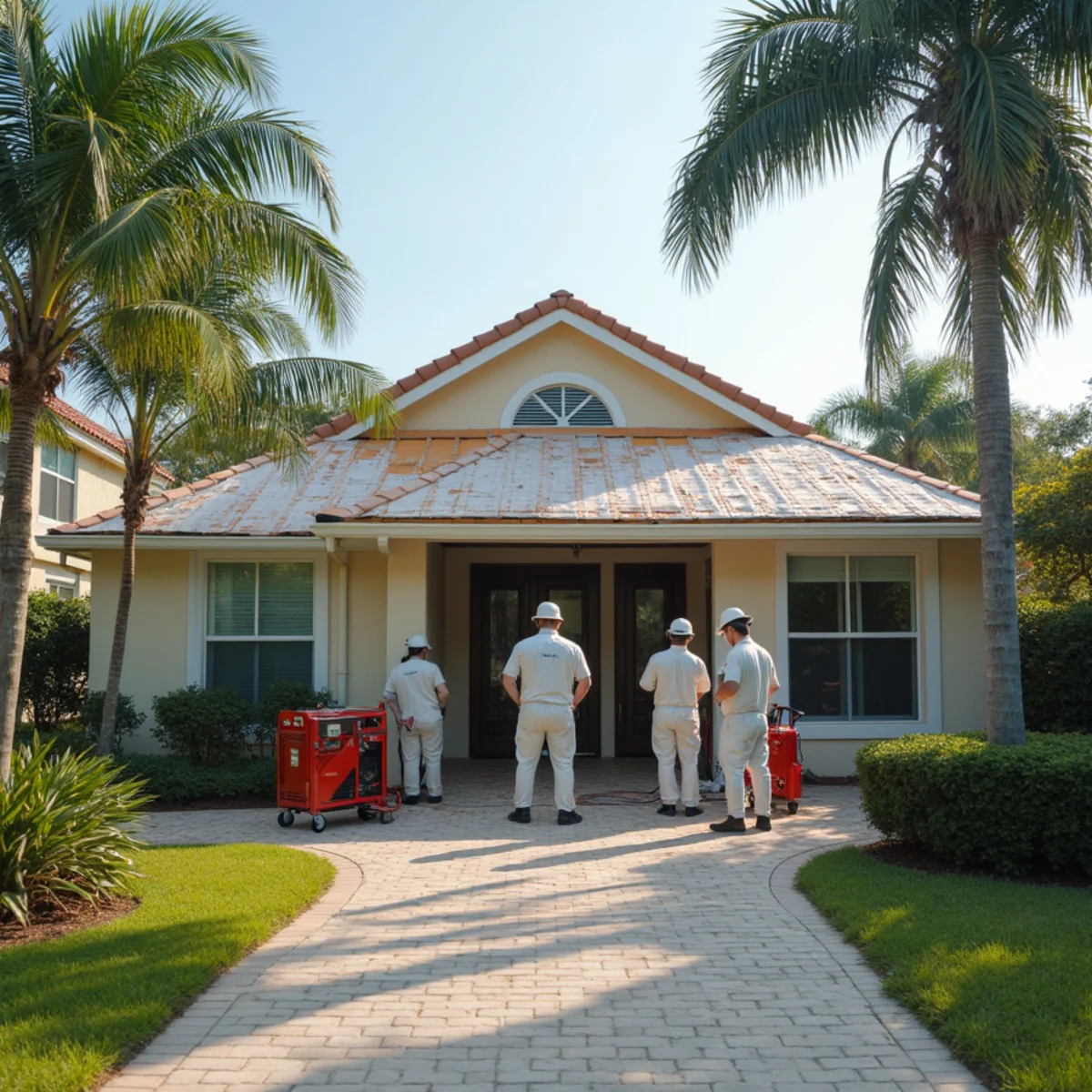
Category 3 water can contain E. coli, salmonella, hepatitis, and a long list of other pathogens, along with the airborne particles that rise from contaminated materials as they dry. Exposure can come through skin contact, inhalation, or accidental ingestion, and the people most at risk, including children, older adults, and anyone with a compromised immune system, are exactly the family members you most want to protect. Ordinary household gloves and a bandana do not provide adequate protection. Our sewage cleanup crews use full personal protective equipment and trained procedures because the exposure is genuinely hazardous.
It is worth understanding why the risk does not end when the visible water is gone. As contaminated materials begin to dry, pathogens and endotoxins can become airborne, meaning the air quality in the space can actually worsen in the hours after a backup even as the floor looks better. This is why professional crews establish containment and use air scrubbers rather than simply mopping and opening a window. Trying to air out a sewage-affected room with box fans can spread contaminated particles into clean areas of the home, undoing any cleanup you have done.
Why Household Cleaning Cannot Fix It
Sewage soaks into porous materials, and no amount of surface scrubbing sanitizes carpet, drywall, insulation, or particleboard once contaminated water has penetrated them. Those materials generally must be removed and disposed of as biohazard waste, not cleaned in place. A homeowner with a wet-vac may pull up the visible liquid while leaving the structure contaminated, which then breeds bacteria and mold. Professional cleanup means containment, extraction, removal of unsalvageable materials, and antimicrobial treatment of what remains, followed by thorough drying. This is also why sewage cleanup carries a higher planning range, commonly $1,500 to $4,500, than clean-water losses.
There is also the question of proper disposal. Biohazard waste cannot simply go in your household trash; it has to be bagged, handled, and disposed of according to regulations, and a household wet-vac used on sewage is itself contaminated afterward. Professionals arrive equipped to remove and dispose of everything safely, which spares you both the health risk and the problem of what to do with a truckload of contaminated debris. The equipment a homeowner would need to do this properly costs far more than the cleanup itself.
The Hidden Contamination You Would Miss
Contaminated water travels the same way clean water does, under baseboards, into wall cavities, beneath flooring, and through subfloor. A DIY effort focused on the visible mess almost always leaves contamination behind in places you cannot see, and that hidden biohazard becomes a source of odor, illness, and mold. Trained technicians trace the full path of the water with moisture mapping and treat every affected area. Because sewage backups often happen alongside other water problems during heavy rain, our emergency water damage response addresses the full scope. Backups are common in older systems throughout Hialeah, where aging municipal and private lines struggle during our rainy-season downpours.
Protecting Your Claim and Your Home
Beyond health, there is a practical reason to use professionals: documentation and insurance. Many policies cover sudden sewage backups, sometimes through a specific backup endorsement, and proper cleanup with professional documentation supports the claim. A DIY effort that fails to fully decontaminate can lead to recurring problems that insurers are reluctant to cover later. Doing it right the first time protects both your family and your coverage.
Ultra Mold Water Restoration provides safe, fully documented sewage cleanup 24/7 throughout South Florida. If sewage has backed up into your home, keep everyone out of the area and call (866) 688-0301 right away.
Dealing with this right now?
Ultra Mold responds 24/7 across South Florida.
Frequently asked questions
Sewage is Category 3 water, the most contaminated category, containing bacteria, viruses, and parasites that cause serious illness. Exposure through contact, inhalation, or ingestion is a real health hazard, especially for vulnerable family members.
It is strongly discouraged. Household equipment cannot sanitize contaminated porous materials, and DIY efforts usually leave hidden contamination behind. Professional crews use protective equipment and proper decontamination procedures.
As a planning range, sewage cleanup commonly runs $1,500 to $4,500 because of the containment, biohazard disposal, sanitizing, and drying required. Every situation is assessed on site.
Many policies cover sudden sewage backups, sometimes through a specific backup endorsement. Professional cleanup with proper documentation supports the claim, while incomplete DIY work can complicate coverage.